
PROJECT EVIDENCE
Engineering Case Studies
Compare project scale, feed or process stream, and the membrane sections actually used across tubular membrane engineering, industrial wastewater reuse and ZLD, and process-fluid separation.
Showing 13–24 of 72
All case studies
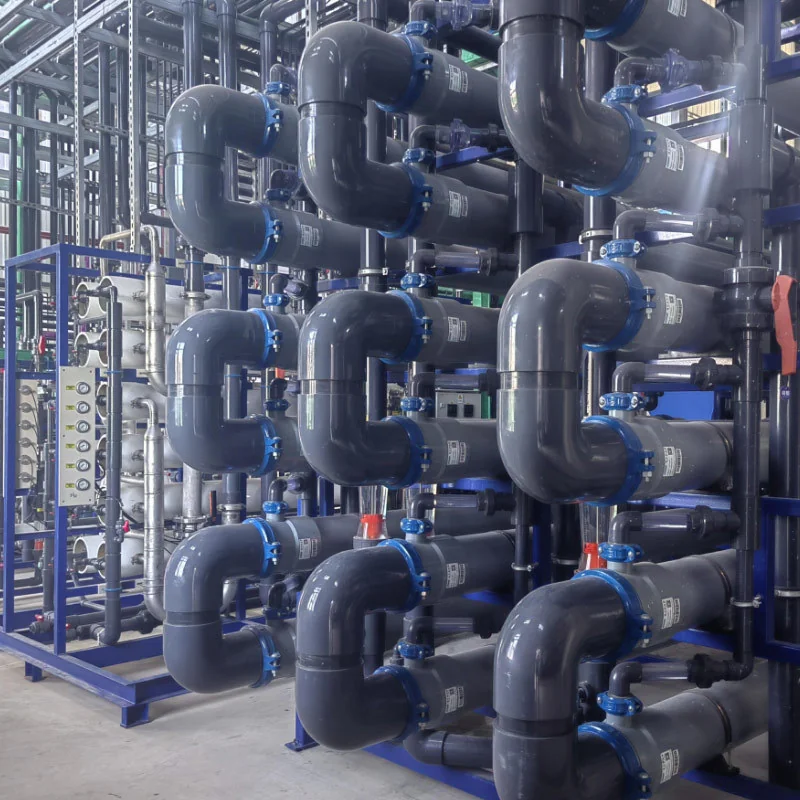
Tubular Membrane Engineering
50 m³/h Iron Phosphate Wash-Water Clarification and Metals Removal Project
This project treats wash water from iron phosphate production at a scale of 50 m³/h. The treatment train combines pretreatment, PEK tubular membranes, nanofiltration and reverse osmosis for wash-water clarification and metals removal.
This reference is for comparison; a new duty requires its own engineering validation.
View case details →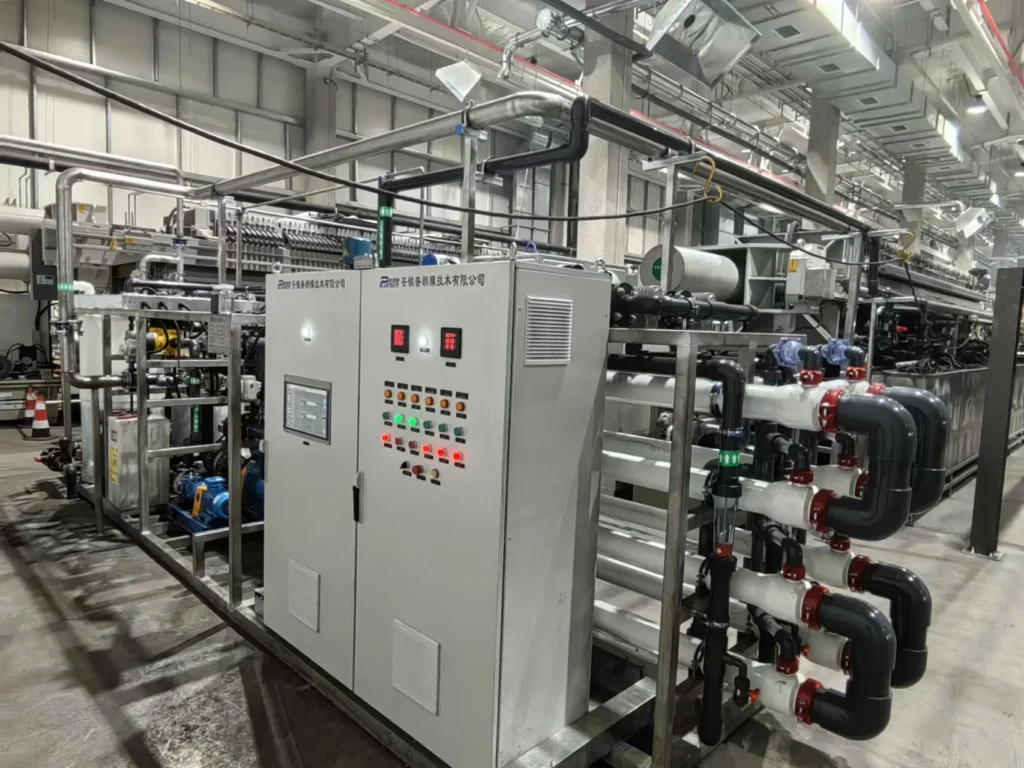
Tubular Membrane Engineering
7 m³/h Photovoltaic Grinding Wastewater Clarification Project
This project treats wafer grinding wastewater from photovoltaic manufacturing at a project scale of 7 m³/h. Tubular membrane filtration separates grinding particles and colloids as pretreatment for downstream reverse osmosis.
This reference is for comparison; a new duty requires its own engineering validation.
View case details →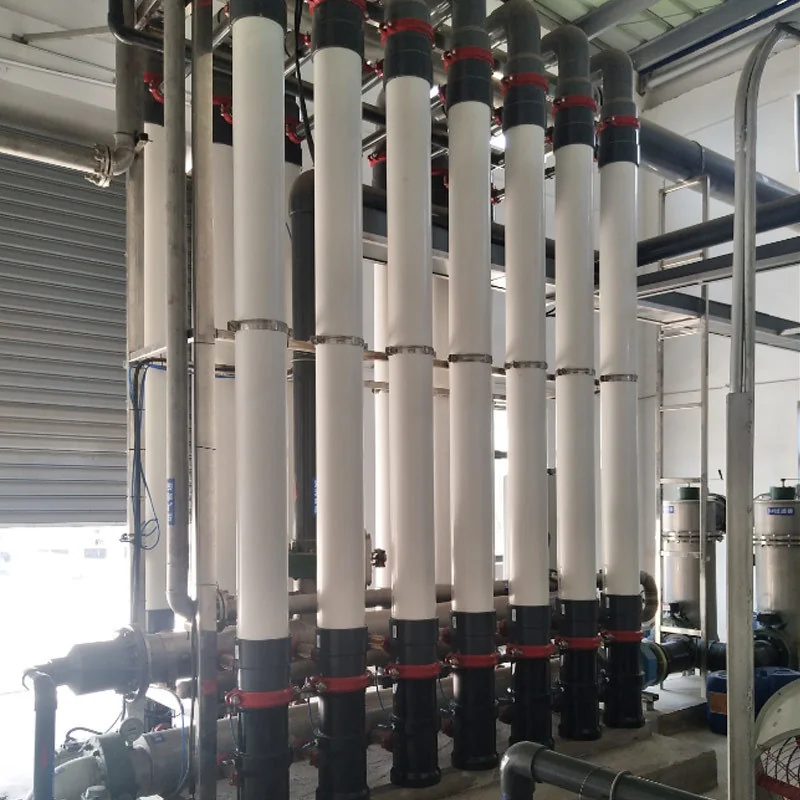
Tubular Membrane Engineering
500 m³/d Chemical Wastewater Air-Lift MBR Project
This project treats wastewater from chemical manufacturing at a project scale of 500 m³/d. It combines biological treatment with air-lift tubular membrane solid-liquid separation and connects to downstream wastewater treatment.
This reference is for comparison; a new duty requires its own engineering validation.
View case details →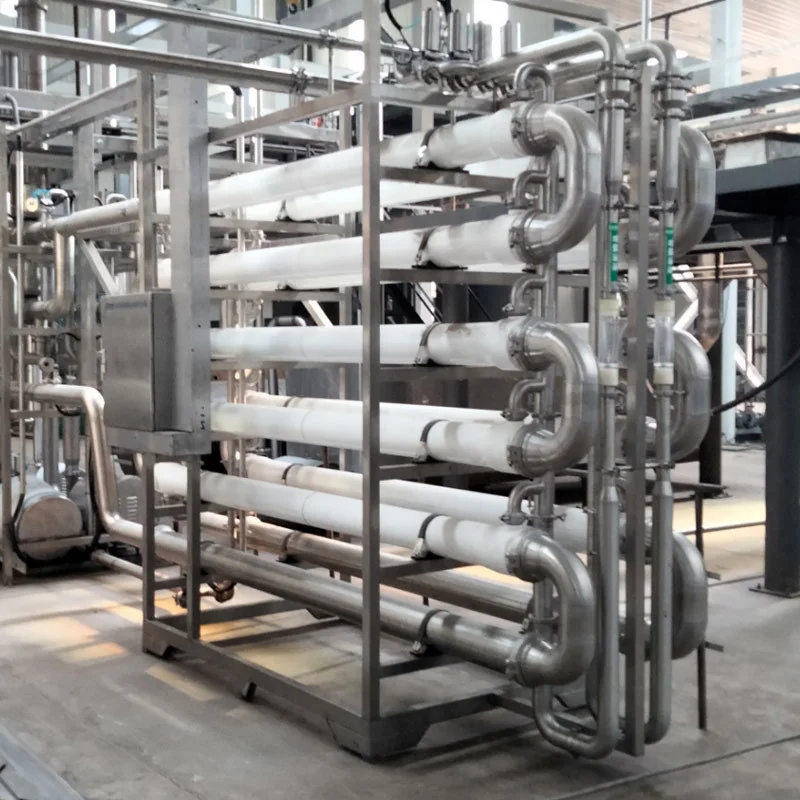
Tubular Membrane Engineering
700 m³/d Paper Mill Black Liquor Anaerobic MBR Project
This project treats black liquor from a paper mill at a project scale of 700 m³/d. It combines an anaerobic reactor with external tubular membrane solid-liquid separation to form an anaerobic membrane bioreactor (AnMBR) stage.
This reference is for comparison; a new duty requires its own engineering validation.
View case details →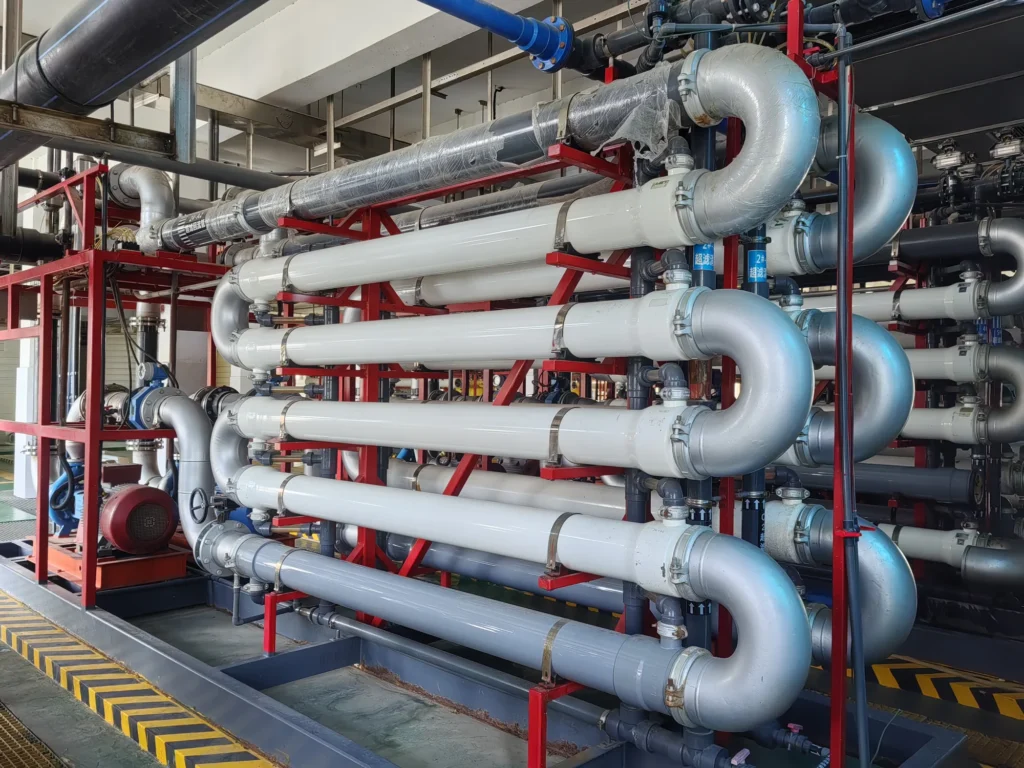
Tubular Membrane Engineering
4,000 m³/d Landfill Leachate External Crossflow MBR Project
This project applies external tubular crossflow membranes to the biological treatment system of a landfill leachate facility at a project scale of 4,000 m³/d. The membranes provide solid-liquid separation for the biological system.
This reference is for comparison; a new duty requires its own engineering validation.
View case details →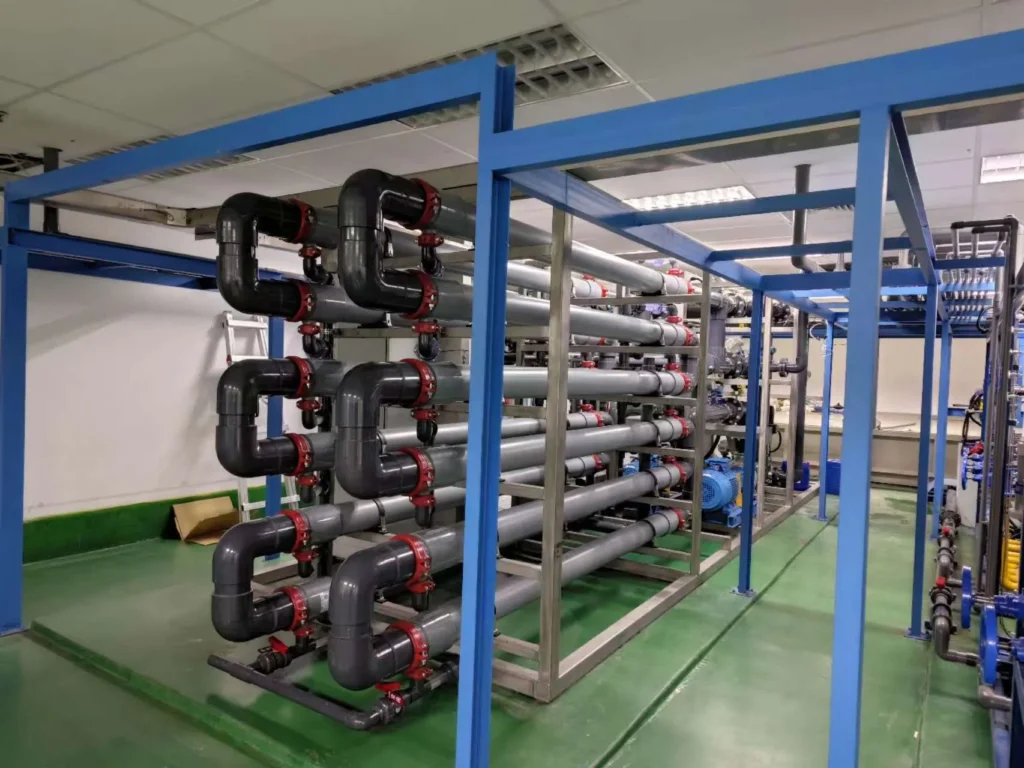
Tubular Membrane Engineering
20 m³/h Chip Packaging Grinding Wastewater Clarification
This project clarifies grinding wastewater from chip packaging at a treatment capacity of 20 m³/h. PEK tubular crossflow membranes separate silicon powder, abrasive particles and colloids from the wastewater.
This reference is for comparison; a new duty requires its own engineering validation.
View case details →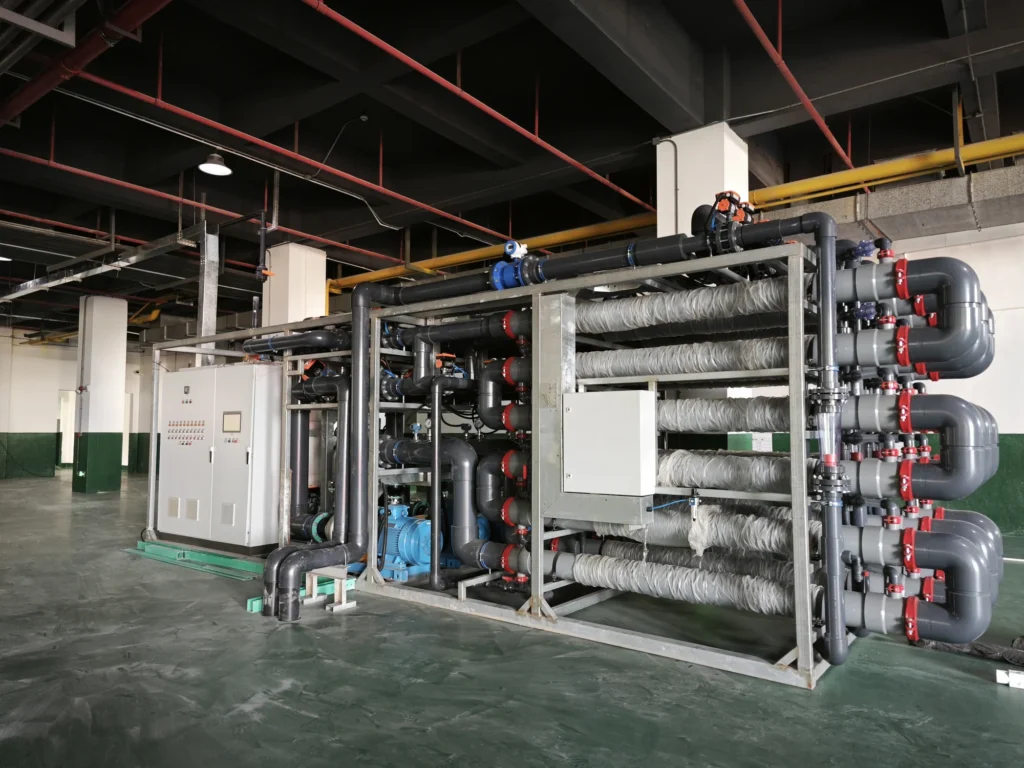
Tubular Membrane Engineering
3,600 m³/d PCB Wastewater Heavy Metals Treatment Project
This project treats mixed wastewater containing heavy metals from PCB manufacturing at a project scale of 3,600 m³/d. The process combines pretreatment, PEK tubular membranes and reverse osmosis, with treated water reused in production.
This reference is for comparison; a new duty requires its own engineering validation.
View case details →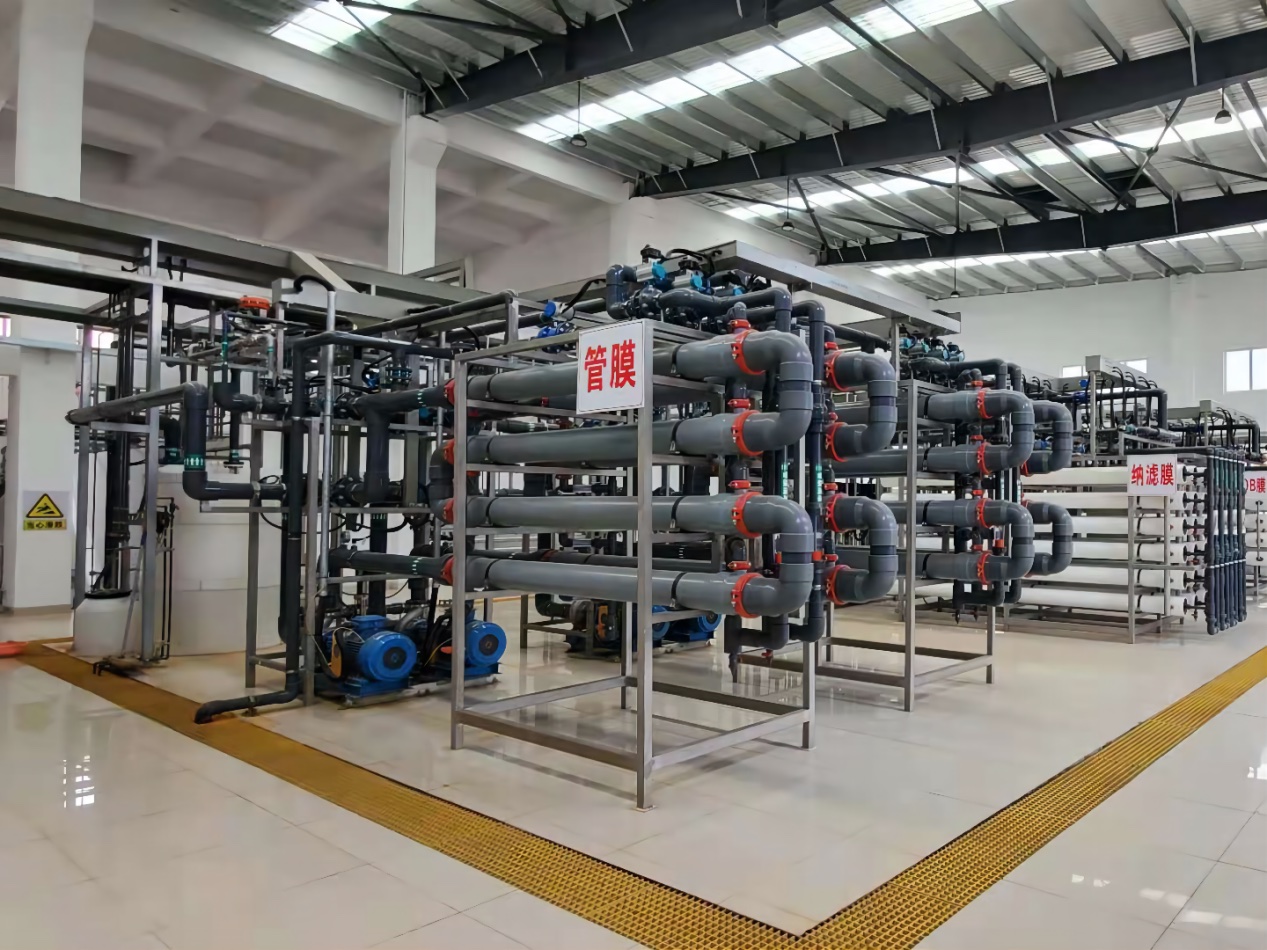
Industrial Wastewater Reuse & ZLD
1,350 m³/d Pickling Wastewater Metals & Hardness Removal
This 1,350 m³/d steel pickling wastewater project combines iron-removal and softening pretreatment, tubular membrane separation, nanofiltration salt separation, reverse osmosis concentration, and evaporation and crystallization for water reuse and salt resource recovery.
The capacity and membrane sections document this reference only; they do not establish design or performance for a new duty.
View case details →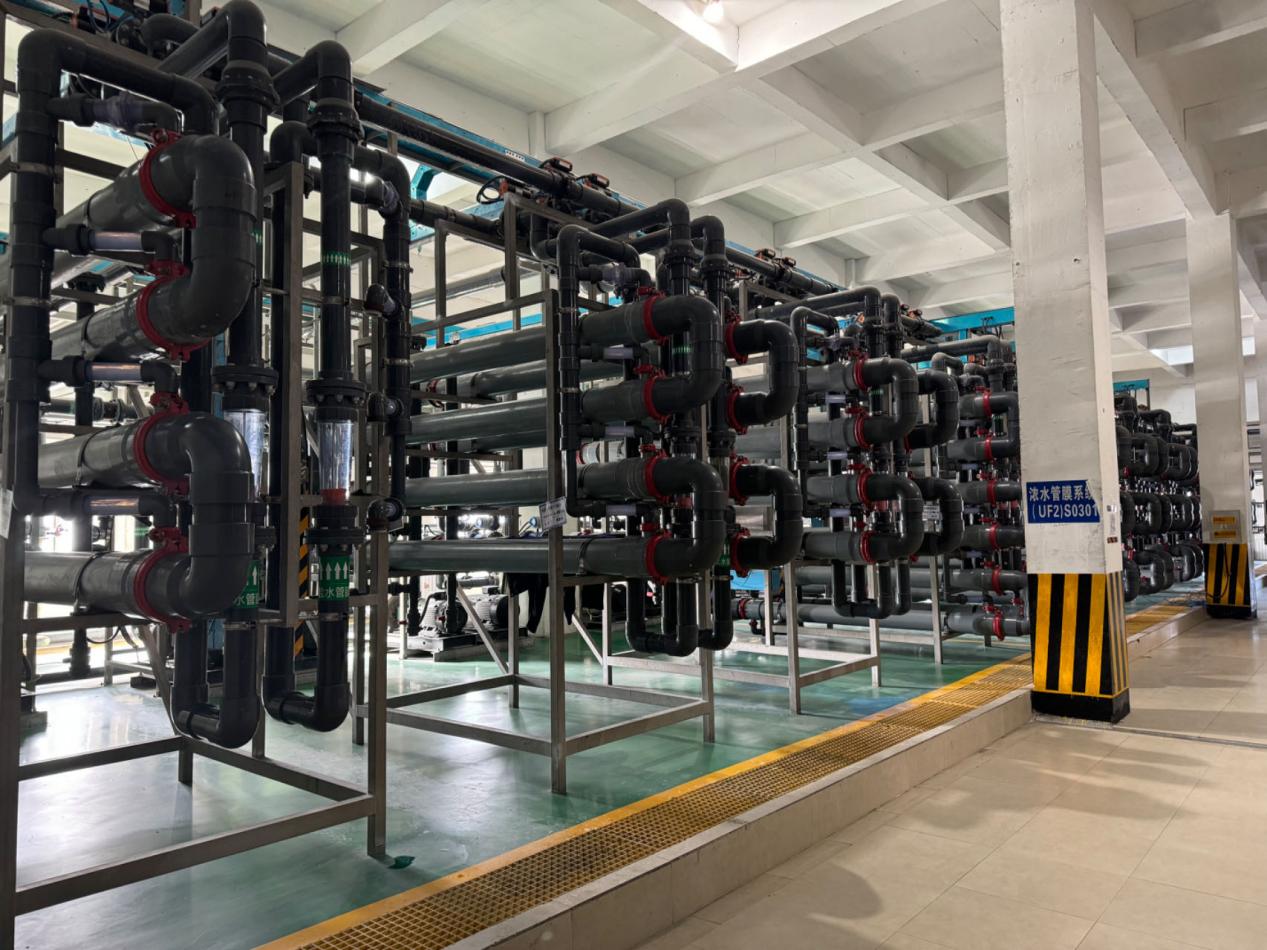
Industrial Wastewater Reuse & ZLD
235 + 106 m³/h Reclaimed Water & RO Brine Treatment
Manage separate reclaimed-water and RO-brine duties before project-defined reuse, fractionation, concentration, or terminal sections.
The capacity and membrane sections document this reference only; they do not establish design or performance for a new duty.
View case details →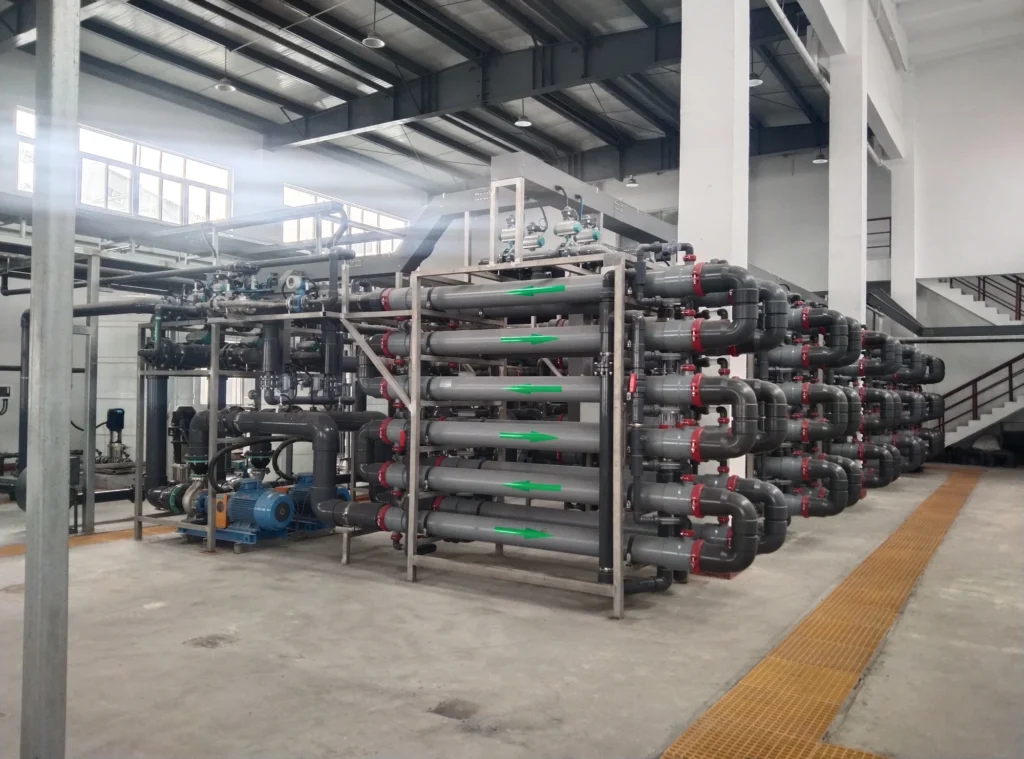
Industrial Wastewater Reuse & ZLD
150 m³/h Mine Water Reuse & ZLD
Define reuse and concentrate routes from actual mine-water chemistry and project endpoints.
The capacity and membrane sections document this reference only; they do not establish design or performance for a new duty.
View case details →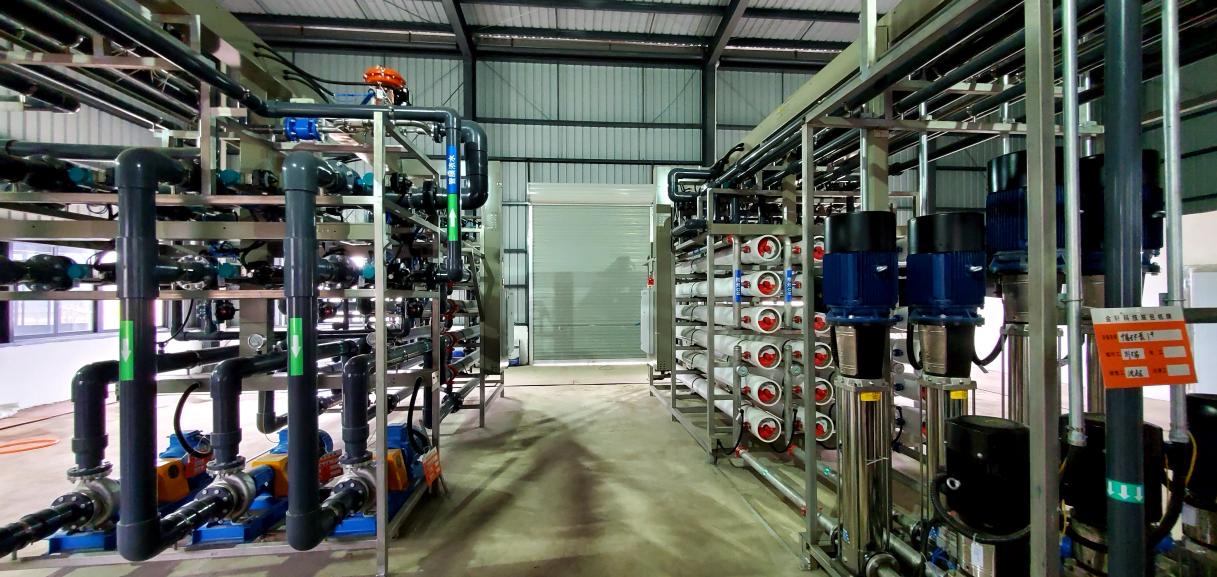
Industrial Wastewater Reuse & ZLD
52 m³/h Cooling-Tower Blowdown Reuse
Control scaling and suspended solids before project-specific desalination, reuse, and concentrate management.
The capacity and membrane sections document this reference only; they do not establish design or performance for a new duty.
View case details →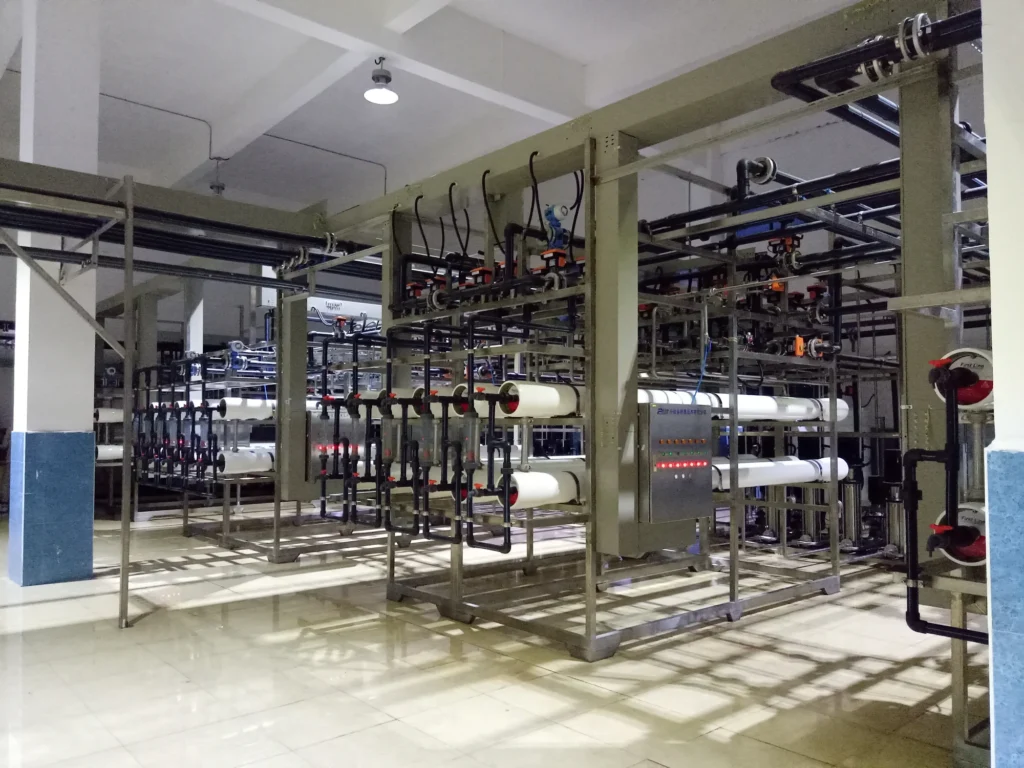
Industrial Wastewater Reuse & ZLD
425 + 300 m³/d Landfill Leachate Multistage NF
Organize selective organic/inorganic fractionation while defining every permeate and concentrate endpoint separately.
The capacity and membrane sections document this reference only; they do not establish design or performance for a new duty.
View case details →PROJECT CONTEXT