
Landfill Leachate Treatment Routes: Full-Recovery NF & Ammonia Stripping
Leachate age, ammonia load, refractory organics, salt composition, and existing treatment differ by site, so route selection cannot begin with one item of equipment. Plum starts with actual water quality and system boundaries to assess two specialist routes: ammonia stripping and multistage nanofiltration.
Start with four questions that determine the route
Raw leachate, aged leachate, and existing membrane concentrate from the same landfill may still require different treatment boundaries.
Leachate age and source
Fresh, aged, or mixed leachate, or existing NF/RO concentrate?
Ammonia and carbon-to-nitrogen relationship
Review NH3-N, TN, COD/BOD, and carbon available to the biological system.
Organics and salt composition
Assess refractory COD, TDS, hardness, alkalinity, and major ionic composition.
Existing system and endpoints
Confirm MBR and existing membrane sections, the discharge objective, and the final concentrate destination.
The two routes solve different engineering problems
They may operate independently or connect within a complete project. Actual water quality and the existing treatment system determine whether they are combined.
Route A
Ammonia stripping: reduce the nitrogen load of aged leachate first
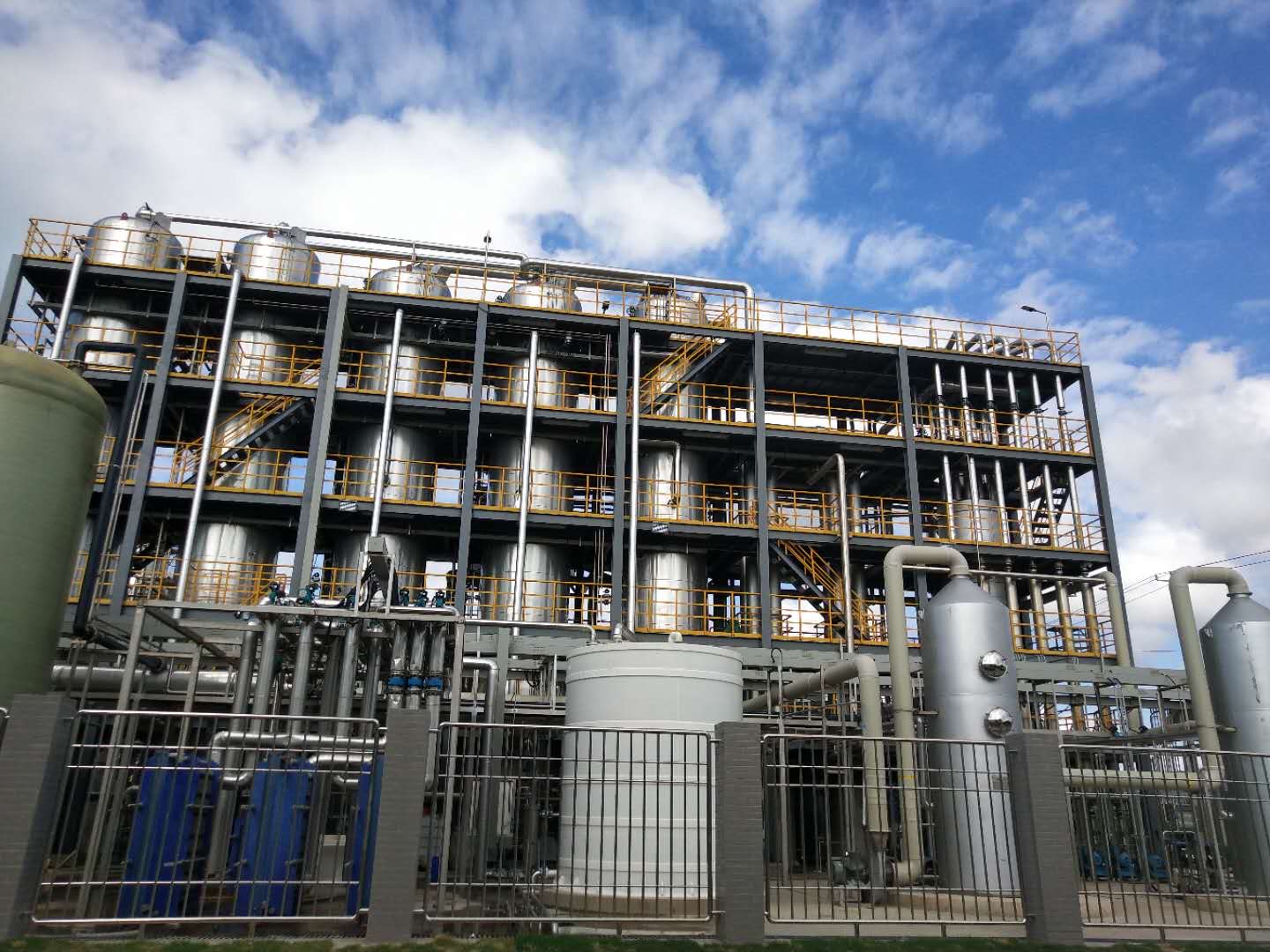
For aged leachate with high ammonia and a carbon-to-nitrogen relationship that constrains downstream biological treatment, heating, desorption, and stripping intensify gas-liquid mass transfer. Stripped liquid enters downstream biological or membrane treatment; ammonia absorption, off-gas treatment, and by-product boundaries are confirmed per project.
- Water-quality and ammonia-load review
- Heating and desorption
- Ammonia stripping
- Downstream treatment interface
Route B
Full-recovery NF: organize selective splitting of organics and inorganic salts
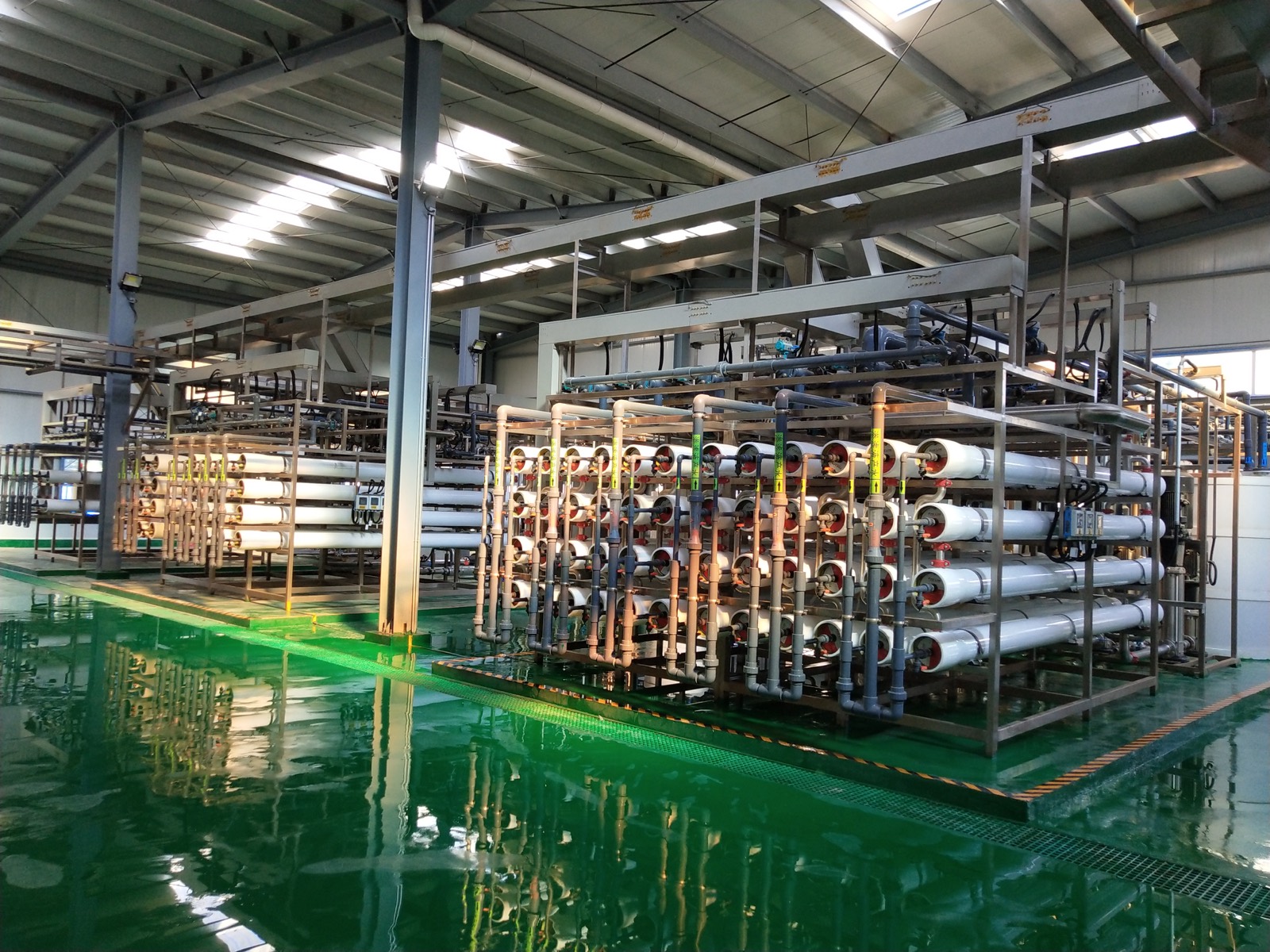
For compatible biological, MBR, or existing treatment effluent, pretreatment and the different rejection and passage relationships of multistage NF organize product water and concentrate streams. The main separation train may not rely on RO/DTRO, but concentrate minimization, evaporation and crystallization, or final disposition still requires separate design.
- Existing-effluent boundary review
- UF or compatible pretreatment
- Multistage NF splitting
- Concentrate endpoint
The routes may connect, but they are not a fixed combination
The sequence below shows the engineering decision order only. It does not mean every project requires every section.
- 01Water quality and leachate-age assessmentSeparate raw, aged, and concentrated streams first
- 02Ammonia stripping where requiredFront-end reduction for high-ammonia duties
- 03Existing biological / MBR sectionsDefine organic conversion and solids-separation duties
- 04Multistage NF selective splittingConfigure membrane sections around feed and objectives
- 05Concentrate endpointConfirm recycle, minimization, evaporation, or disposition per project
Project capacities document engineering scale-up of both routes
Only anonymous project capacities and route types are shown below. Historical performance does not automatically become a guarantee for a new project.
UF + three-stage NF main separation train
- 425 + 300 m³/d
- Leachate and existing-concentrate treatment record
- 3,200 + 640 m³/d
- Leachate and concentrate engineering record
Continuous engineering scale-up after validation
- 400 m³/d
- Aged-leachate validation project
- 2,000 m³/d
- Scale-up project using the same route family
PROJECT RESOURCES
Continue reviewing the landfill-leachate routes
Business overviewIndustrial Water Reuse, Minimization & ZLD
Specialist routeMultistage NF selective splitting
Route-screening FAQ
Detailed parameters, equipment scope, and performance guarantees are confirmed on the relevant process page and in the project technical agreement.
Does every landfill-leachate project require both routes?
No. Ammonia stripping mainly provides front-end nitrogen-load reduction for aged leachate with high ammonia. Multistage NF mainly provides selective splitting of organics and inorganic salts for compatible feed. Complete water-quality data and the existing system determine whether either route operates independently or in sequence.
If the main separation train does not rely on RO/DTRO, is concentrate treatment still required?
Possibly. Multistage NF still creates concentrate streams that require management. Confirm recycle, further minimization, evaporation and crystallization, solidification, or another endpoint against the project water balance and disposition requirements.
Why should aged leachate be assessed for ammonia stripping first?
Aged leachate may combine high ammonia load with insufficient readily available organic carbon, affecting downstream biological nitrogen removal and chemical demand. Determine whether stripping is appropriate using NH3-N, TN, COD/BOD, temperature, pH, and downstream-system conditions.
What information is required for preliminary assessment?
Provide flow and variability, leachate age and source, NH3-N, TN, COD/BOD, pH, temperature, TDS, hardness, alkalinity, SS, major ions, existing biological and membrane systems, discharge or reuse objective, and the final concentrate destination.
Submit water-quality data before selecting a route
Describe the leachate source, age, treatment capacity, existing process, and final objective. Plum will use the information for preliminary route screening.