INDUSTRIAL WATER REUSE & ZLD
Industrial Wastewater Reuse, Minimization & Zero Liquid Discharge
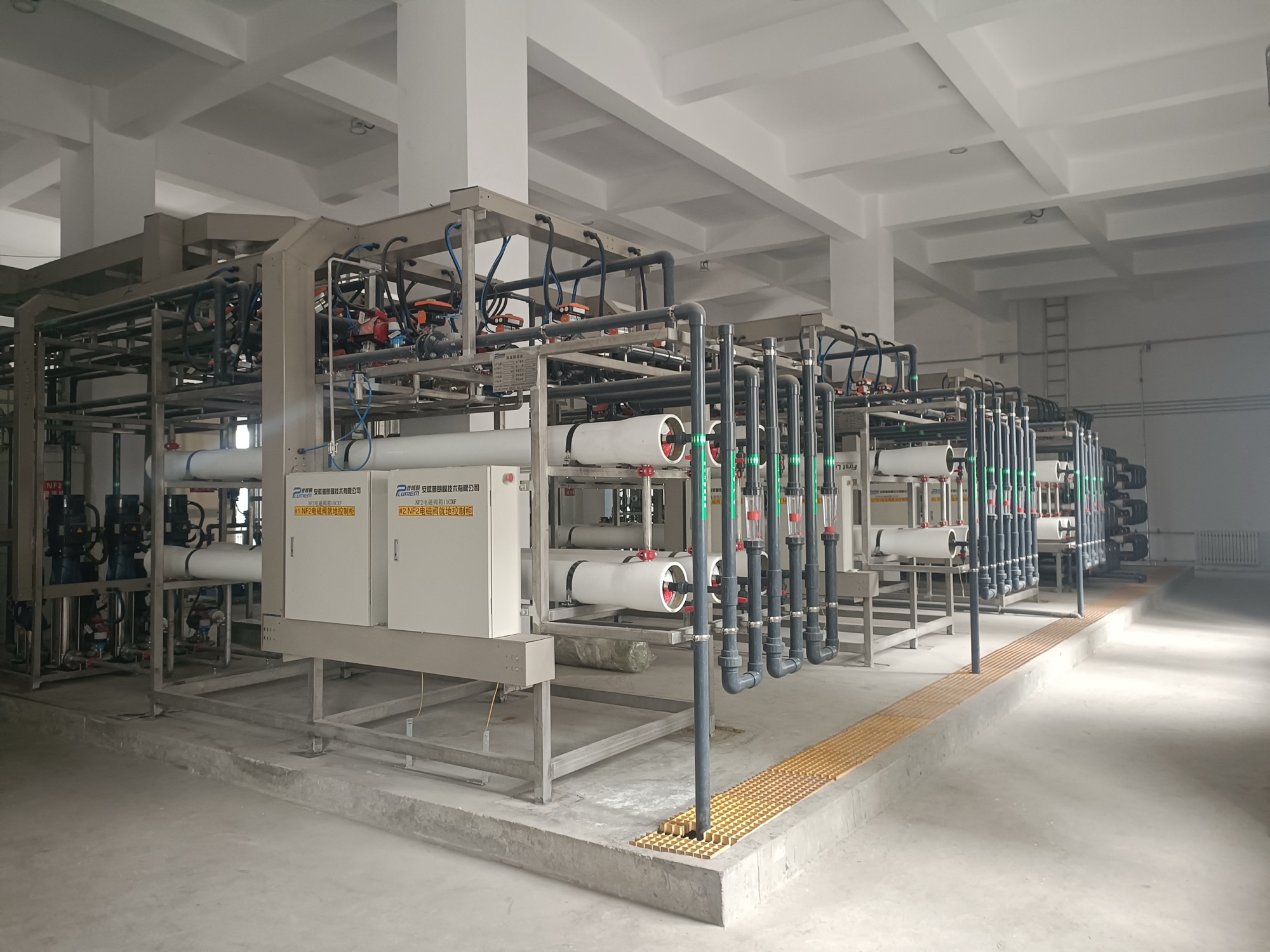
For complex industrial wastewater, Plum combines duty-specific membrane sections such as PEK tubular membrane pretreatment, selective nanofiltration fractionation, and HRCC concentration around reuse, brine minimization, salt or resource recovery, and ZLD objectives.
For plant engineers, design institutes, EPC contractors, and system integrators. The actual route is determined by feed chemistry, treatment objectives, and downstream interfaces.
START WITH THE PROJECT TARGET
Define the end point before selecting membrane sections
Industrial wastewater treatment is not a single process. Preliminary screening must consider the feed source, key contaminants, recovery objective, concentrate destination, and downstream equipment interfaces together.
Industrial water reuse
Define upstream treatment around reuse-water quality, supply stability, and protection of downstream RO or NF.
Brine minimization
Reduce the concentrate volume entering evaporation or off-site disposal while controlling scaling and fouling risks.
Salt or resource recovery
Assess fractionation, purification, and concentration according to the salt system, target product, and impurity profile.
Zero liquid discharge
Evaluate membrane sections, evaporation and crystallization, mother-liquor management, and solids disposition within one system boundary.
ENGINEERING SCREEN
Five inputs determine whether a route is viable
Without any one of these inputs, recovery, effluent quality, or ZLD performance should not be committed.
- 01Feed sourceProcess wastewater, reuse water, mine water, FGD wastewater, leachate, or other brines
- 02Key contaminantsHardness, silica, suspended solids, organics, oil, ammonia nitrogen, and salt chemistry
- 03Recovery objectiveReuse, minimization, salt fractionation, resource recovery, or ZLD
- 04Concentrate destinationRecycle, further concentration, evaporation and crystallization, or compliant disposal
- 05Downstream interfacesNF, RO, HRCC, evaporators, crystallizers, and plant-wide controls
APPLICATION ROUTES
Enter the application route that matches the engineering objective
All eight primary application entries are shown directly. Each route presents only the preliminary screening logic; detailed process design, parameters, and project boundaries are confirmed on the corresponding detail page.
01 · REUSE & BRINE MANAGEMENT
Reuse and brine management
Control scaling, suspended solids, and variability first, then assess reuse, further membrane concentration, or the evaporation interface.
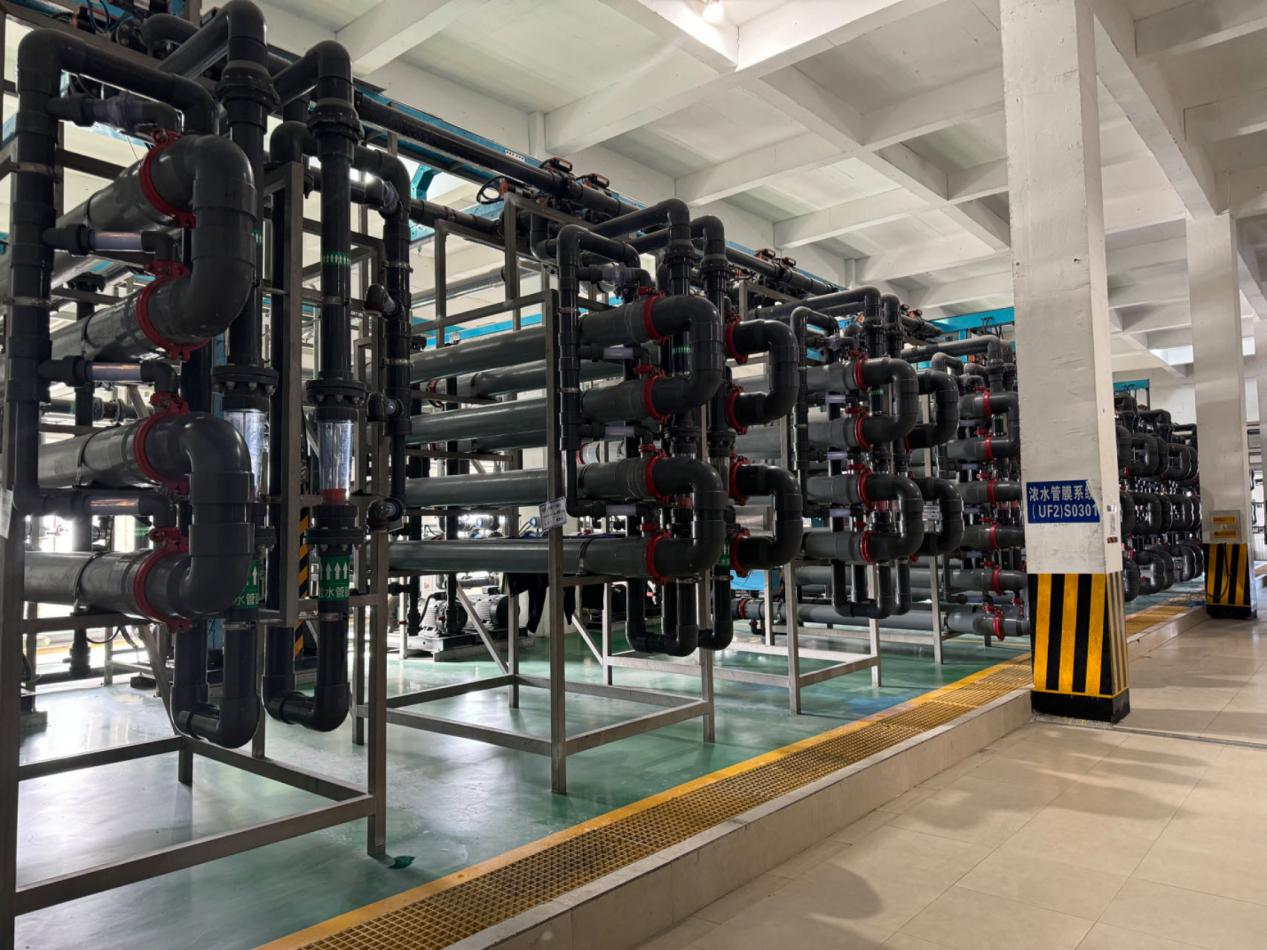
Cooling tower blowdown
Cooling tower blowdown reuse
- Feed characteristics
- Concentrated hardness, silica, salts, and suspended-solids variability after cooling-tower evaporation
- Primary risks
- Scaling, fouling, and unstable downstream reuse-membrane operation
- Engineering objectives
- Reuse and brine minimization
- Membrane sections to assess
- Conditioning, PEK softening or clarification, and downstream NF, RO, or HRCC assessment
Reclaimed water and RO brine
Reclaimed-water reuse and RO-brine ZLD
- Feed characteristics
- Further enrichment of scaling ions and silica in reclaimed water and RO brine
- Primary risks
- Scaling in downstream NF, RO, HRCC, or evaporation sections
- Engineering objectives
- Stabilize reuse feed and connect to concentration or ZLD
- Membrane sections to assess
- Combine PEK softening pretreatment, selective nanofiltration, and concentration as required
02 · HIGH-SALINITY ZLD
ZLD for high-salinity industries
Start with industry-specific water chemistry and identify scaling, fouling, salt-system, and evaporation or crystallization boundaries instead of applying one standard flowsheet.
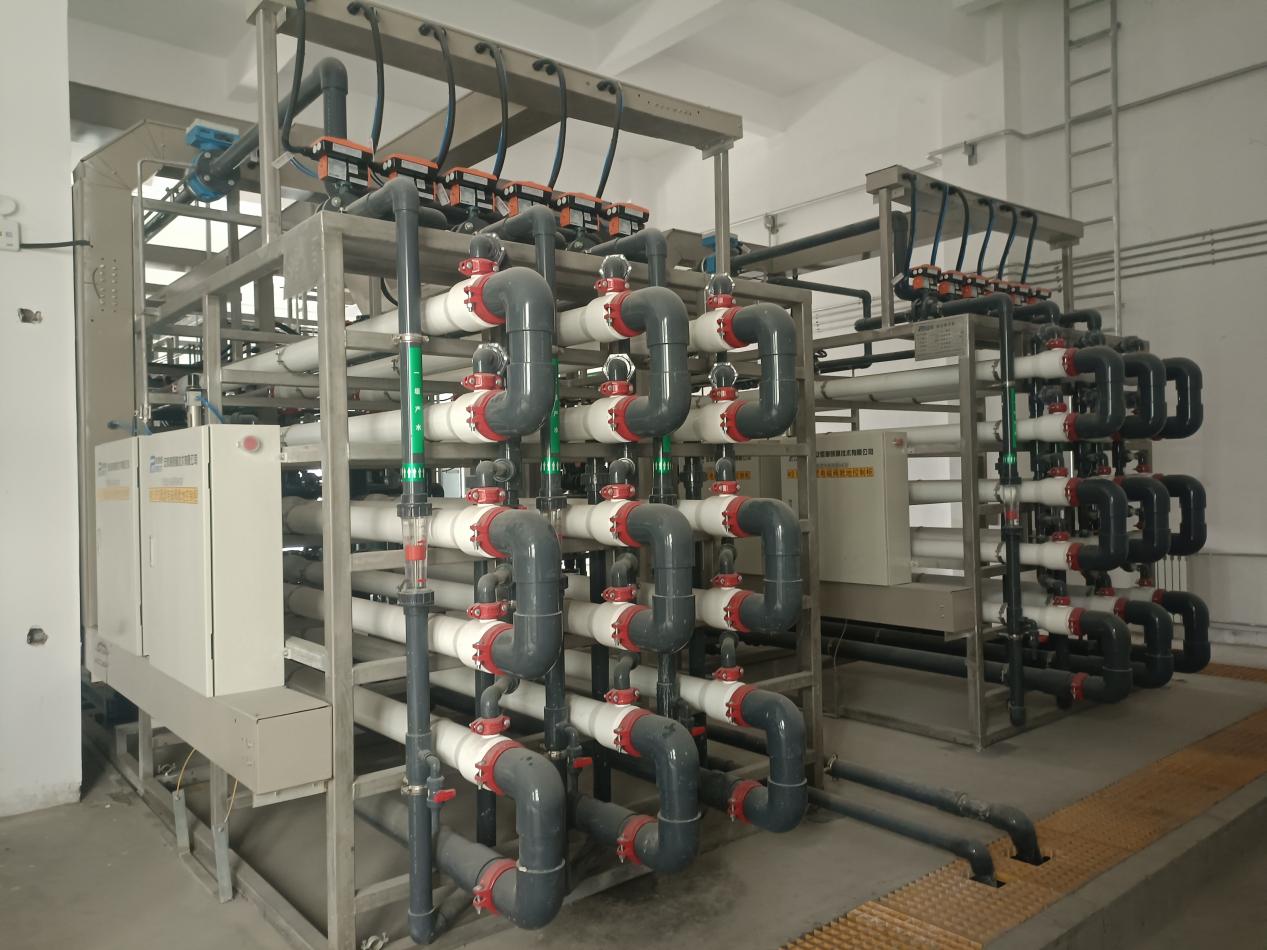
Mining and mine water
Mine-water ZLD
- Feed characteristics
- Suspended solids, hardness, silica, TDS, and potentially coexisting metal ions
- Primary risks
- Pretreatment variability, membrane scaling, and a constrained concentration end point
- Engineering objectives
- Mine-water reuse, concentration, minimization, and ZLD
- Membrane sections to assess
- Pretreatment, PEK solids separation or softening, NF/RO, and concentration interfaces
Power generation and flue-gas treatment
FGD wastewater ZLD
- Feed characteristics
- High chloride, hardness, sulfate, suspended solids, and complex metal ions
- Primary risks
- Difficult separation of reaction solids plus scaling and corrosion in membrane and evaporation sections
- Engineering objectives
- Reliable pretreatment, salt management, and integration with evaporation and crystallization
- Membrane sections to assess
- Assess chemical conditioning, PEK solids separation, selective NF, and HRCC
Coal-to-chemicals
Coal-to-chemicals wastewater ZLD
- Feed characteristics
- Combined organics, oil, ammonia nitrogen, salinity, hardness, silica, and other contaminants
- Primary risks
- Unstable upstream treatment causes downstream membrane fouling and limits concentration
- Engineering objectives
- Preliminary assessment for reuse, brine minimization, and salt-recovery routes
- Membrane sections to assess
- Combine PEK pretreatment, NF/RO, and high-recovery concentration according to the upstream boundary
Solid waste and salt resources
Waste-salt and fly-ash treatment
- Feed characteristics
- Salts, ash, metals, and suspended solids in waste-salt solutions or fly-ash wash water
- Primary risks
- Impurities affect salt quality, membrane stability, and the final disposition of solids
- Engineering objectives
- Impurity removal, salt fractionation, concentration, and resource-recovery interfaces
- Membrane sections to assess
- Combine solids separation, selective NF, and concentration or crystallization sections according to the salt system
03 · RESOURCE & SPECIAL STREAMS
Resource recovery and special difficult fluids
These projects depend more heavily on compositional analysis and experimental data. Confirm the target product, impurity destinations, and scale-up boundaries first.
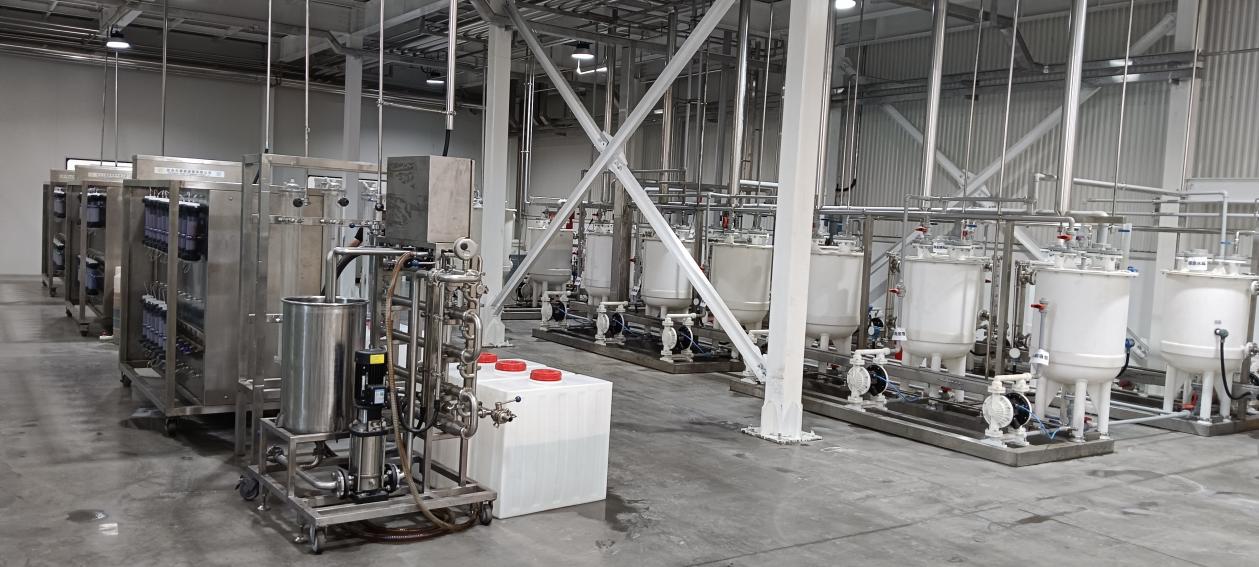
Salt-lake brine and ore leachate
Lithium recovery from ore and salt-lake brine
- Feed characteristics
- Lithium, coexisting ions, suspended solids, and complex salt chemistry
- Primary risks
- Uncertain selectivity, impurity accumulation, and scale-up route
- Engineering objectives
- Clarification, impurity removal, separation, concentration, or resource recovery
- Membrane sections to assess
- PEK clarification and UF/NF/RO combinations require sample and pilot validation
Landfill leachate
Landfill leachate treatment and concentrate routes
- Feed characteristics
- High COD, ammonia nitrogen, salinity, refractory organics, and feed variability
- Primary risks
- Biological solids separation, membrane concentrate, and treatment of aged high-ammonia leachate
- Engineering objectives
- Stable solids separation, full-volume concentrate treatment, or ammonia recovery
- Membrane sections to assess
- Assess MBR, NF routes, and ammonia stripping separately according to leachate age and project boundaries
MODULAR PROCESS CHAIN
Membrane sections are configured by project, not as a universal fixed flowsheet
Whether any section is applicable depends on actual feed chemistry, target recovery products, operating windows, and upstream and downstream interfaces. Not every project requires every section below.
- 01Pretreatment and conditioningEqualization, reaction, oil removal, biological treatment, or other required pretreatment
- 02PEK tubular membraneSolids separation, softening clarification, and pretreatment of highly fouling feeds
- 03Selective nanofiltrationAssess salt fractionation, impurity removal, or target-component separation according to the salt system
- 04HRCC concentrationFurther reduce concentrate volume where feed and pretreatment conditions are suitable
- 05Terminal interfacesEvaporation and crystallization, mother-liquor management, resource recovery, or compliant disposal
Establish a stable solids-separation section for high suspended solids, highly fouling feeds, scaling-reaction solids, and complex wastewater.
View core technology → 02 Selective nanofiltration and salt fractionationDetermine separation selectivity and concentrate routing from ionic composition, target salts, and the downstream route.
View core technology → 03 HRCC high-recovery concentrationProvide a concentration section for further minimization and the evaporation interface when pretreatment and feed conditions are suitable.
View core technology →ENGINEERING & SUPPLY BOUNDARY
Confirm design responsibilities before discussing equipment and guarantee boundaries
Plum can support membrane-process routes and system integration, but does not describe every project as a complete turnkey ZLD system by default. The final scope is defined in the mutually approved technical and commercial documents.
PLUM CAN SUPPORT
- Preliminary review of water chemistry and project objectives
- Membrane-route design and membrane-module selection
- Integrated membrane systems, circulation, CIP, instrumentation, and controls
- Sample testing or pilot validation when required
- Commissioning, training, and operating support for membrane sections
PROJECT INTERFACES TO CONFIRM
- Upstream segregation, biological treatment, oil removal, and chemical-reaction boundaries
- Civil tanks, utilities, site piping, and plant-wide DCS
- Evaporation and crystallization, mother-liquor management, and byproduct-salt disposition
- Local standards, safety requirements, and acceptance-testing methods
- Plant-wide recovery, energy use, and final guarantee responsibility
PROJECT EVIDENCE
Use comparable feed sources, capacities, and membrane sections for preliminary screening
Only documented public project facts are shown below. Customer names remain anonymous, and existing capacities or operating records do not automatically become guarantee values for a new project.
RECLAIMED WATER & RO BRINE · 2020
235 m³/h reclaimed water and 106 m³/h Phase-I RO brine
- Membrane sections to assess
- Softening reaction → PEK tubular membrane solids separation
- Use on this page
- Reference for reuse-water and RO-brine pretreatment
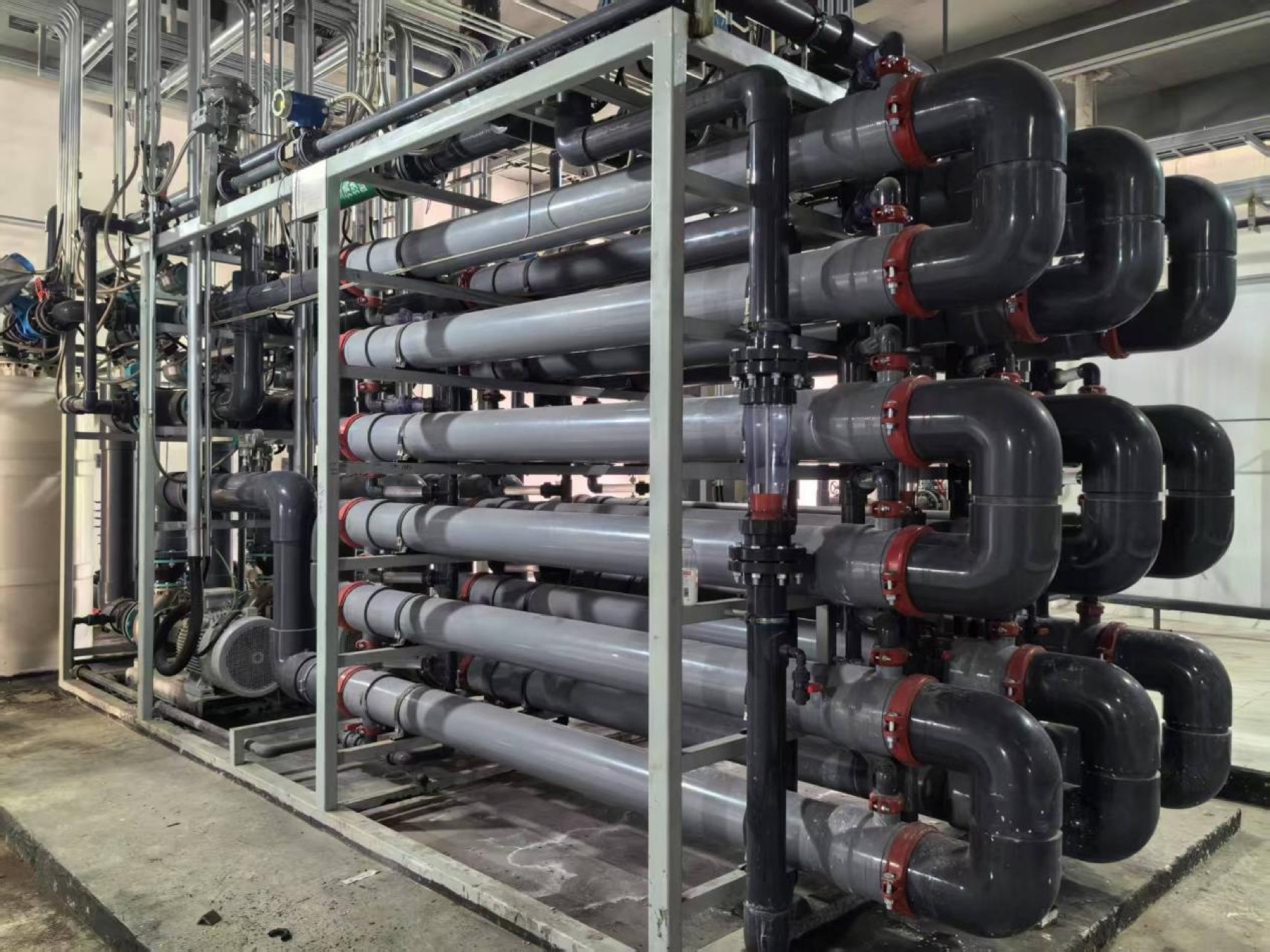
Mine-water ZLD
150 m³/h mine-water ZLD project record
- Membrane sections to assess
- Membrane-process sections for mine-water reuse and ZLD
- Use on this page
- Reference for mine-water chemistry and ZLD-route screening
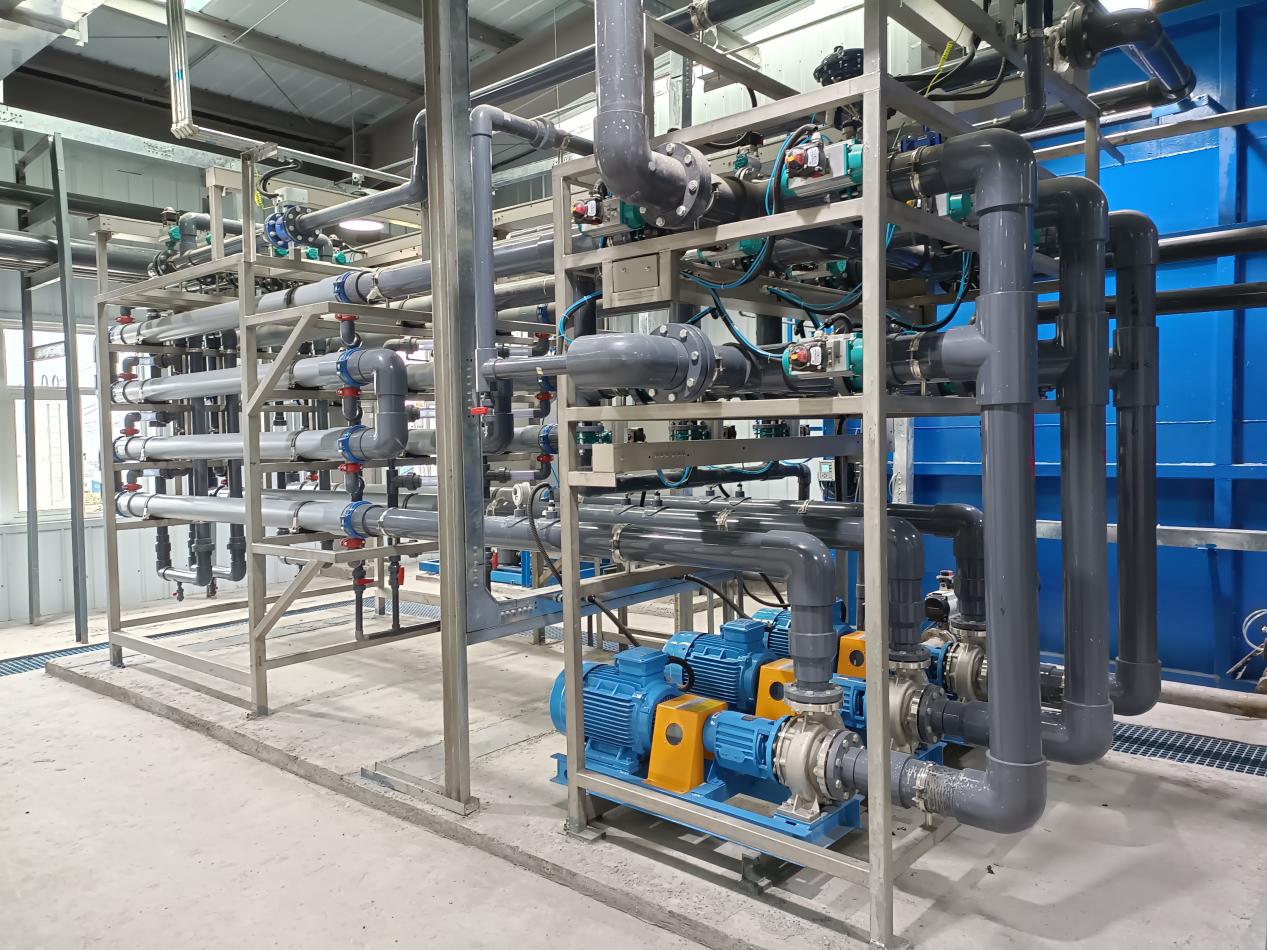
COKING WASTEWATER · 2023
40 m³/h silica-removal and softening for high-silica, high-hardness wastewater
- Membrane sections to assess
- Softening and silica-removal reaction → PEK tubular membrane
- Use on this page
- Reference for upstream risk control in saline, high-silica industrial wastewater
These references show established engineering directions. Every new project must still be calculated independently from actual water chemistry, capacity, operating temperature, reagent system, and terminal objective.
RESOURCES
Project-evaluation resources and related entries
Project preparationProject evaluation worksheet
Pretreatment routePEK softening process package
Validation capabilitySample testing and pilot-validation guide
ENGINEERING FAQ
Industrial wastewater reuse and ZLD frequently asked questions
Does Plum provide a complete turnkey ZLD system by default?
No. Plum can support water analysis, membrane routes, system integration, validation, and commissioning, but civil works, utilities, evaporation and crystallization, salt disposal, and plant-wide guarantee boundaries must be confirmed project by project.
Does every project require PEK, selective nanofiltration, and HRCC?
No. Selection of each membrane section depends on feed composition, scaling and fouling risks, reuse or resource-recovery objectives, concentrate destination, and downstream interfaces. The modular technology chain is not a fixed flowsheet.
What information is required for preliminary project assessment?
Provide at least flow, complete water analysis, temperature and pH, existing treatment process, target reuse or ZLD requirements, destinations for concentrate and by-product salts, and available process diagrams and historical operating data.
Which industrial wastewater projects should begin with sample or pilot testing?
Sample testing or pilot validation is recommended when water quality varies significantly, salt chemistry is complex, silica or organic forms are uncertain, the objective includes salt fractionation or resource recovery, comparable project data is unavailable, or cleaning and concentration boundaries must be established.
Can the project capacities on this page be used directly for a new design?
No. Existing project capacities demonstrate relevant engineering experience only. They do not define membrane flux, recovery, energy use, effluent values, or scope for a new project. Formal parameters require technical assessment.
NEXT STEP
Identify the closest route, then submit the actual duty
The application entries help narrow the route. Formal assessment still requires water quality, flow, treatment objectives, the existing process, and downstream interface data.