LANDFILL LEACHATE · MULTISTAGE NF
Landfill Leachate Full-Recovery NF: A Multistage Selective-Splitting Route
Start with the actual composition of existing biological, MBR, or UF effluent and membrane concentrate. Define which constituents should pass, be retained, or enter each side-stream endpoint before configuring UF and multistage NF. The route focuses on a complete water balance, not one fixed number of membrane stages for every landfill-leachate project.
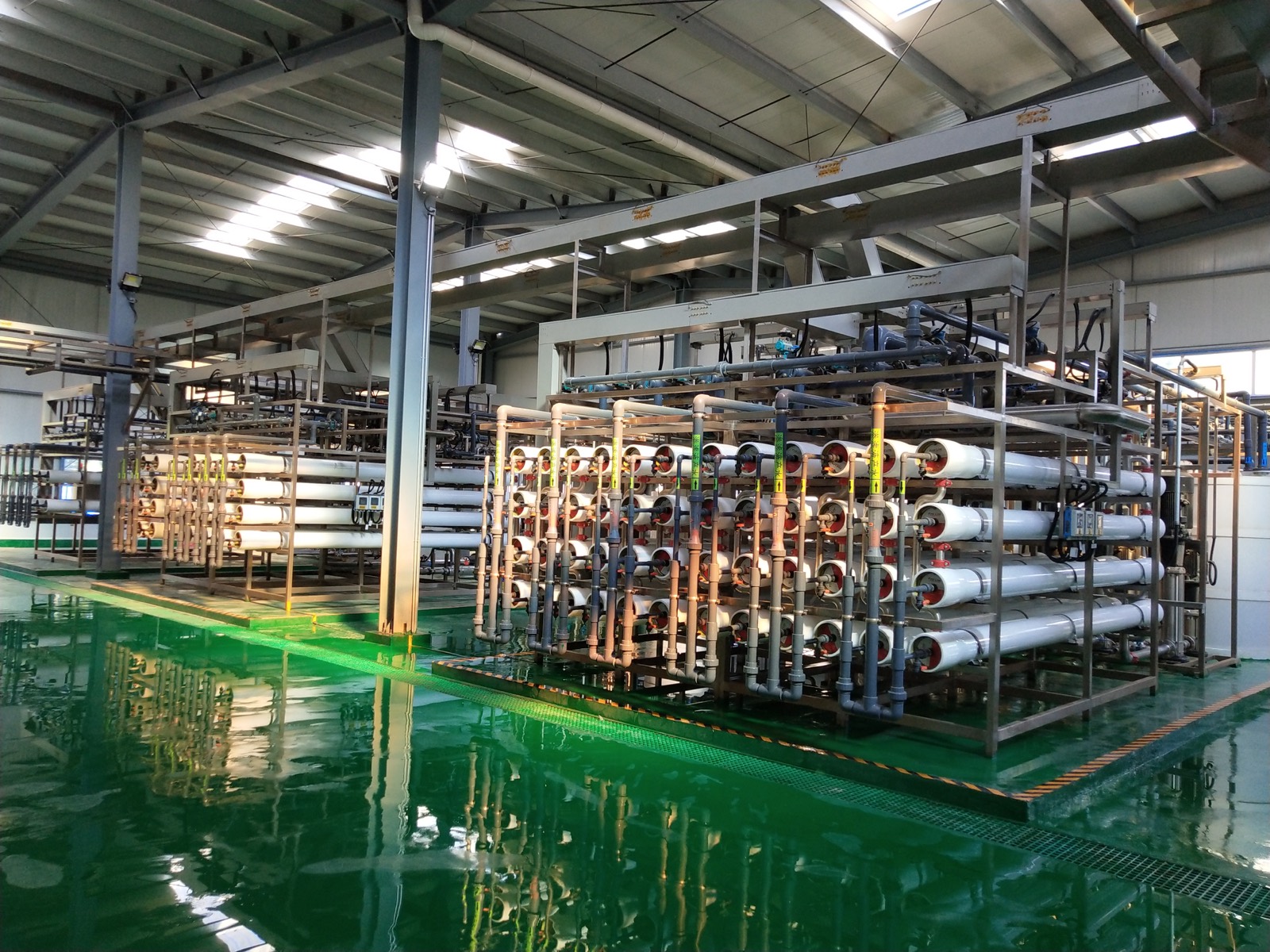
On this page, full-recovery means integrated design of the main separation train, NF permeate, NF concentrate, UF concentrate, and every endpoint. The main train may not rely on RO/DTRO, while a complete project may still use GTRO, evaporation, solidification, or another side-stream interface.
APPLICATION FIT
First confirm which stream actually enters multistage NF
Raw leachate, MBR/UF permeate, and existing NF/RO concentrate have different contaminant forms and side-stream responsibilities. Untreated raw leachate should not be assumed to feed multistage NF directly.
Raw leachate
First review leachate age, SS, colloids, oil, organics, and biological treatability. Upstream biological treatment, MBR, or another compatible pretreatment section is generally required.
MBR / UF permeate
Focus on refractory organics, salt composition, hardness, alkalinity, and operating variability to define downstream NF stages and recycle relationships.
Existing NF / RO concentrate
Reassess it as a separate high-concentration feed. Do not transfer original permeate conditions or membrane performance directly into the concentrate design basis.
SELECTIVE SPLITTING
Define three duties before selecting membranes
Multistage NF is not a repetition of the same filtration step. Different membrane sections and recycle relationships organize target constituents and side-stream endpoints.
What should pass?
Define the water and permitted constituents in the target permeate, then establish evaluation methods against discharge, reuse, or downstream-treatment requirements.
What should be retained?
Use actual water samples and membrane screening to confirm rejection and passage of refractory organics, color bodies, and project-specific ions.
Where does each concentrate stream go?
Define recycle, retreatment, minimization, evaporation, solidification, or final-disposition interfaces separately for UF concentrate and every NF concentrate stream.
CRAWLABLE PROCESS ROUTE
Design the multistage NF main train and side streams together
The route below explains the engineering logic. Water quality, testing, and project objectives determine the actual NF stages, membrane types, and recycle relationships.
- 01Existing biological / MBR treatmentOrganic conversion and sludge-separation boundary
- 02UF or compatible pretreatmentControl particles, colloids, and downstream feed risks
- 03First-stage NFEstablish the first rejection and passage relationship
- 04Second-stage NFFurther organize organic and salt splitting against the objective
- 05Third-stage NFClose the route against water quality and endpoints
- 06Permeate and side-stream endpointsEnter project-defined discharge, reuse, or retreatment interfaces
NF permeate enters downstream treatment, reuse, or another project-defined endpoint. This page makes no general compliance claim.
Assess recycle, cross-stage treatment, further minimization, or an independent endpoint from composition. Do not describe “less concentrate” as “no concentrate.”
Account for it as a separate high-solids side stream. Depending on the project, it may enter GTRO, evaporation, solidification, sludge handling, or another disposition interface.
WATER BALANCE & ENDPOINTS
“Full-recovery” begins with a closed water balance
Design cannot consider final permeate alone. Feed, permeate, concentrate, recycle, and discharge from every stage must be traceable and matched to downstream receiving capacity and disposition responsibility.
- Main separation train
- Review UF and every NF stage feed, permeate, concentrate, and recycle relationship.
- NF permeate
- Enter discharge, reuse, or another downstream section according to the project objective.
- NF concentrate
- Define recycle, further separation, minimization, or terminal interfaces and assess accumulation risks.
- UF concentrate
- Account for solids, organics, and water separately rather than hiding them within a permeate-recovery figure.
DESIGN INPUTS
Route screening requires more than one COD result
Project records, sample-test results, and new-project guarantees are three different evidence classes and cannot substitute for one another.
Average and peak flow, leachate age, seasonal and batch variability, and raw-leachate or concentrate source.
COD, BOD, color, SS, turbidity, and existing biological or MBR operating data.
TDS, hardness, alkalinity, Ca, Mg, Cl, SO4, and a complete major-ion analysis.
UF, NF, and RO/DTRO feed and permeate data, recovery, differential pressure, cleaning, and concentrate records.
Discharge, reuse, or downstream-treatment requirements and permitted flow and performance boundaries.
Receiving conditions and responsible parties for recycle, GTRO, evaporation, solidification, off-site disposal, or another terminal.
PROJECT EVIDENCE
Two project records document engineering scale-up of the route
The following data describe only the capacities, routes, and side-stream interfaces of the corresponding anonymous projects. They do not automatically establish recovery, permeate, or discharge guarantees for a new project.
Anonymous project record 01
Combined treatment of leachate and existing NF concentrate
- Capacity: 425 m³/d leachate + 300 m³/d existing concentrate
- Main separation train: UF + three-stage NF, without RO
- Side-stream endpoint: UF concentrate enters evaporation and crystallization plus cement-solidification interfaces
Anonymous project record 02
Large-scale multistage NF project for leachate and concentrate
- Capacity: 3,200 m³/d leachate + 640 m³/d concentrate
- Main separation train: UF + three-stage NF; UF concentrate is further minimized by GTRO
- 96.875% is the design recovery recorded for this anonymous project. It is not a general parameter on this page or a guarantee for a new project
Feed, membrane type, stage count, recycle, endpoints, and guarantee conditions are specific to each historical project. Reconfirm every new project using water-quality data, test results, a complete water balance, and the technical agreement.
ENGINEERING BOUNDARY
Confirm membrane-section duties separately from plant-wide endpoints
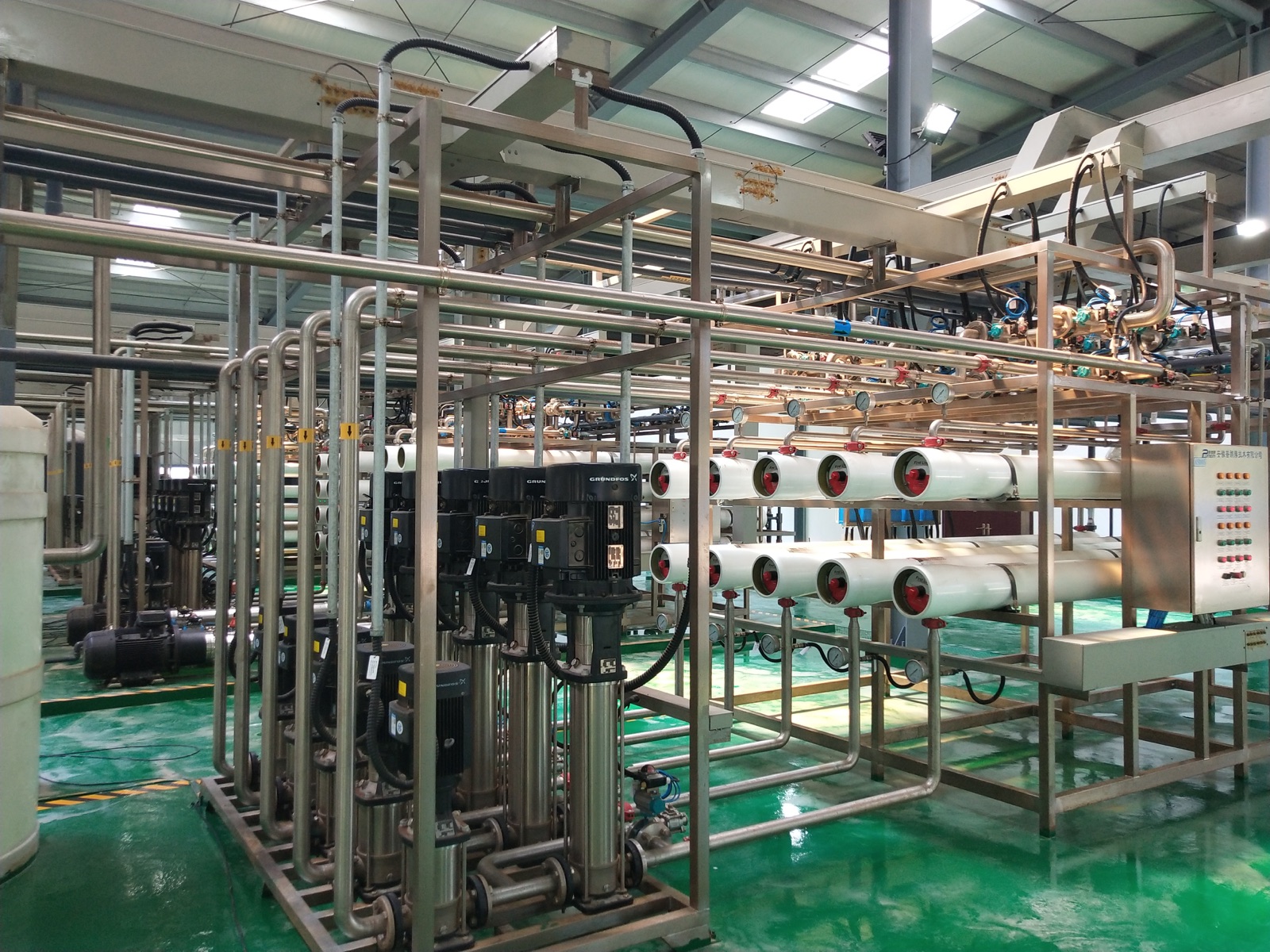
Plum can provide engineering assessment and packaged systems around the multistage NF route, but one membrane section does not replace upstream biological treatment, civil works and utilities, or final-disposition responsibility.
PLUM CAN SUPPORT
- Review of water quality and existing-system data
- UF / NF membrane selection, stage configuration, and water-balance design
- Packaged membrane systems, instrumentation and controls, CIP, and interface design
- Sample testing, pilot validation, commissioning, and scale-up support
CONFIRM PER PROJECT
- Upstream biological treatment, MBR, and plant-wide nitrogen and carbon removal responsibility
- Civil works, utilities, GTRO, evaporation, and solidification interfaces
- Final disposition of concentrate, sludge, salts, or solid waste
- Plant-wide discharge, reuse, operating cost, and total-system guarantees
PROJECT RESOURCES
Continue reviewing the multistage NF route
Route overviewTwo specialist landfill-leachate routes
Related routeAmmonia stripping for aged leachate
ENGINEERING FAQ
Full-recovery NF route FAQ
FAQ answers are present directly in the page HTML so engineers, search engines, and AI systems can understand the route boundaries.
Can raw landfill leachate feed multistage NF directly?
Do not assume so. Raw leachate generally requires review of age, SS, colloids, oil, organics, and biological-treatment boundaries, followed by biological treatment, MBR, UF, or another compatible pretreatment section to create an assessable NF feed.
Does “full-recovery NF” mean the project produces no concentrate?
No. Multistage NF still creates NF and UF side streams. Full-recovery emphasizes a water balance, recycle relationships, and explicit endpoints for the main train and every side stream; it does not avoid engineering responsibility for concentrate.
If the main train does not rely on RO/DTRO, does the complete project never require them?
No. Some multistage NF main trains may omit RO/DTRO, while UF or NF concentrate may still require GTRO, evaporation, solidification, or another project-specific minimization and disposition section.
Why use multistage NF rather than one standard membrane type?
Different feeds and objectives require different rejection, passage, and recycle relationships. Determine membrane type, stage count, and cleaning window through water-quality analysis, membrane screening, and testing or piloting where required.
Can a historical project design recovery be used directly for a new project?
No. A historical figure applies only to the design record of that project. Re-establish design values and guarantee conditions for a new project from actual water quality, membrane type, side-stream endpoints, and a complete water balance.
What information is required for preliminary assessment?
Submit flow and variability, leachate age and source, COD/BOD, color, TDS, hardness, alkalinity, major ions, SS, existing biological and membrane-system operating data, the target use, and final destinations for UF and NF concentrate.
SUBMIT LEACHATE DUTY
Submit water quality and the existing process for preliminary multistage NF assessment
Separate raw leachate, MBR/UF permeate, and existing membrane concentrate. State the capacity, composition, existing membrane sections, treatment objective, and concentrate endpoint for every stream. More complete information reduces assumptions in route screening.
Submitted information supports preliminary route assessment only. It does not commit to recovery, permeate quality, discharge results, energy use, operating cost, membrane life, or the supply scope of a complete project.