ABOUT PLUM MEMBRANE
Plum Membrane Technology Co., Ltd.
Focused on tubular membrane R&D and manufacturing, membrane-process design, and engineering applications since 2004.
01 / COMPANY PROFILE
R&D, manufacturing, and engineering capabilities built around membrane-separation applications
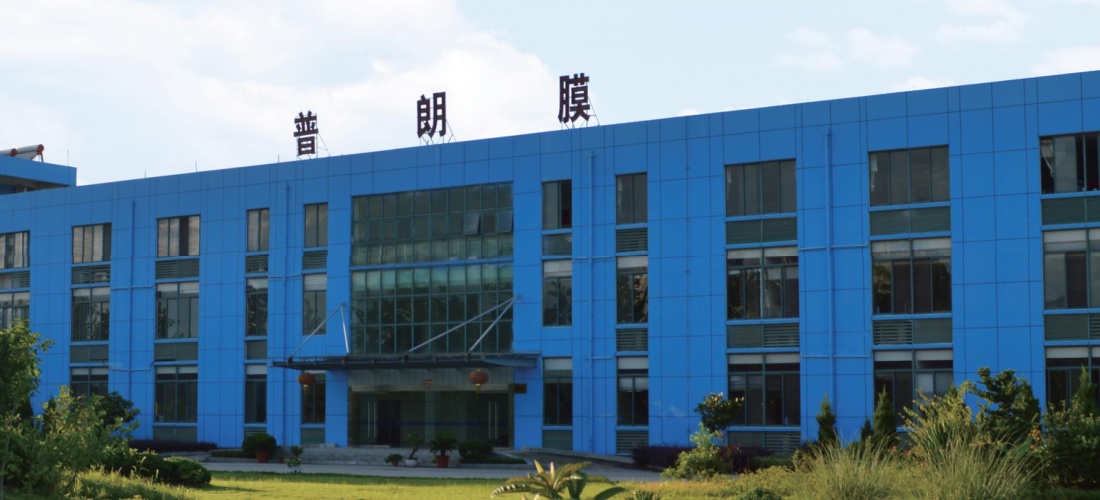
Plum Membrane Technology Co., Ltd., operating under the PLUMEM brand, is headquartered in the Xinzhan High-tech Zone of Hefei, Anhui, China.
Plum first developed experience in process-fluid membrane separation for fermentation broths, sugar streams, natural extracts, and condiments. It later extended its tubular membrane modules, process-design capability, and systems integration into complex industrial wastewater reuse, minimization, and zero liquid discharge applications.
Plum does not apply one fixed flowsheet to every project. Feed composition, separation objectives, fouling and scaling risks, downstream operations, and project interfaces determine the membrane material, membrane sections, validation path, and responsibility boundary.
- Company name
- Plum Membrane Technology Co., Ltd.
- Brand
- PLUMEM / Plum Membrane
- Founded
- 2004
- Headquarters
- Xinzhan High-tech Zone, Hefei, Anhui, China
02 / R&D AND MANUFACTURING
An integrated capability chain from sample assessment to engineering service
Each stage is organized around a verifiable separation objective, a defined stream destination, and clear project interfaces.
- 01Membrane material & module R&D
Product and application development across membrane materials, separation grades, channels, and module configurations.
- 02Sample testing & pilot validation
Real water or process-stream samples are used to validate membrane fit, operating windows, fouling, and cleaning boundaries.
- 03Process design
Membrane routes are defined from separation duties, material or water balances, and downstream requirements.
- 04System manufacturing & integration
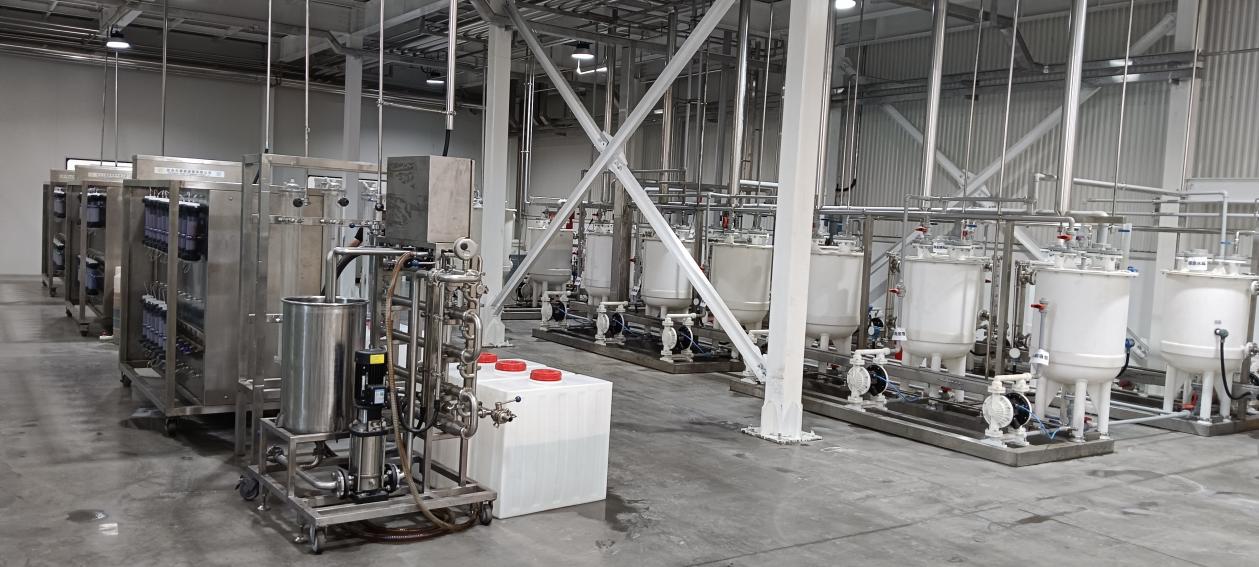
Membrane sections, circulation, CIP, instrumentation, control, and associated interfaces are integrated into project systems.
- 05Commissioning & engineering service
Support covers installation and commissioning, operating feedback, cleaning optimization, and engineering scale-up.
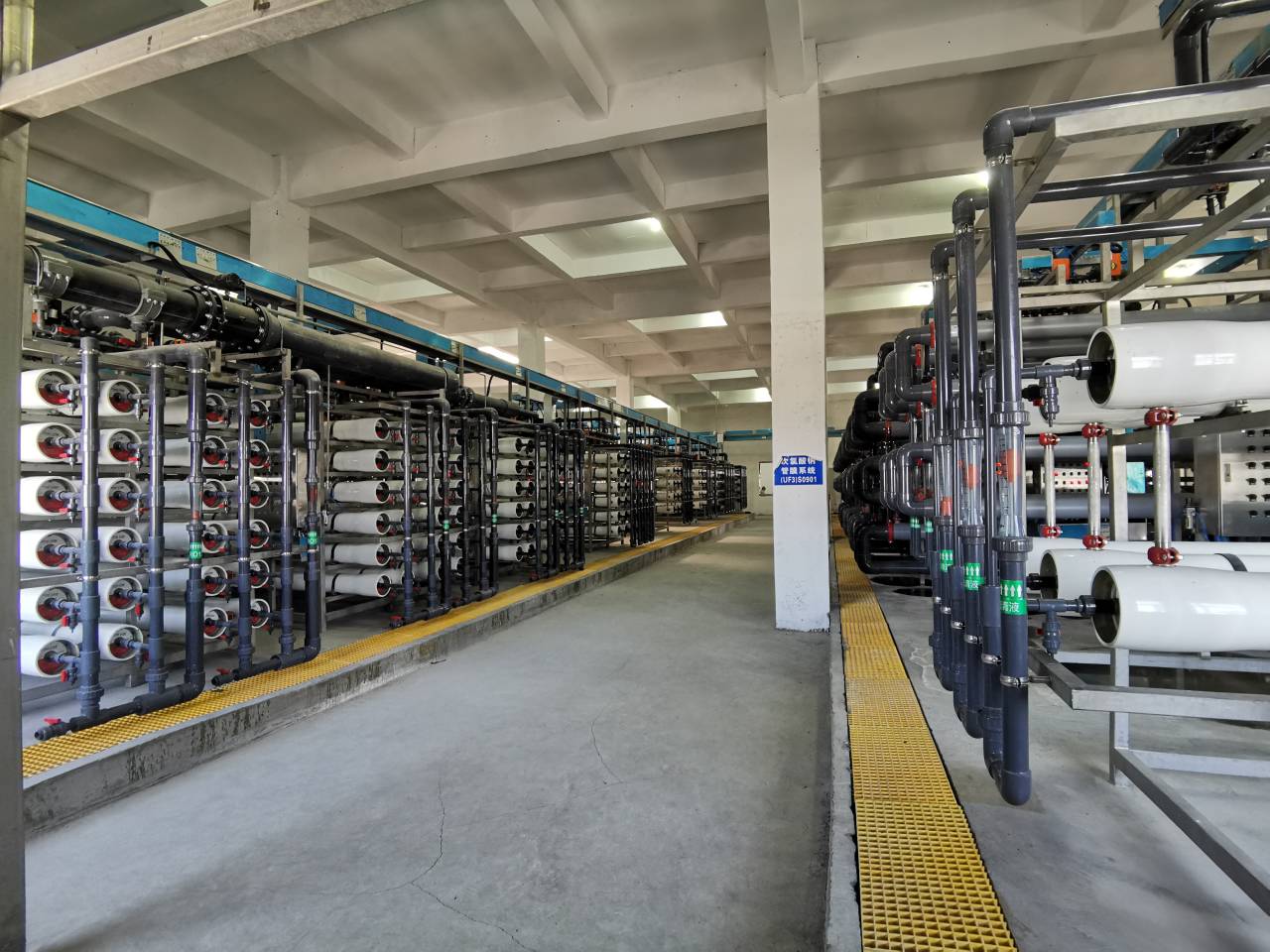
03 / BUSINESS AND TECHNOLOGY
Four business areas supported by a configurable membrane-technology platform
This page defines business scope. Product data, engineering routes, project evidence, and validation requirements remain on the relevant overview and detail pages.
Tubular membrane modules
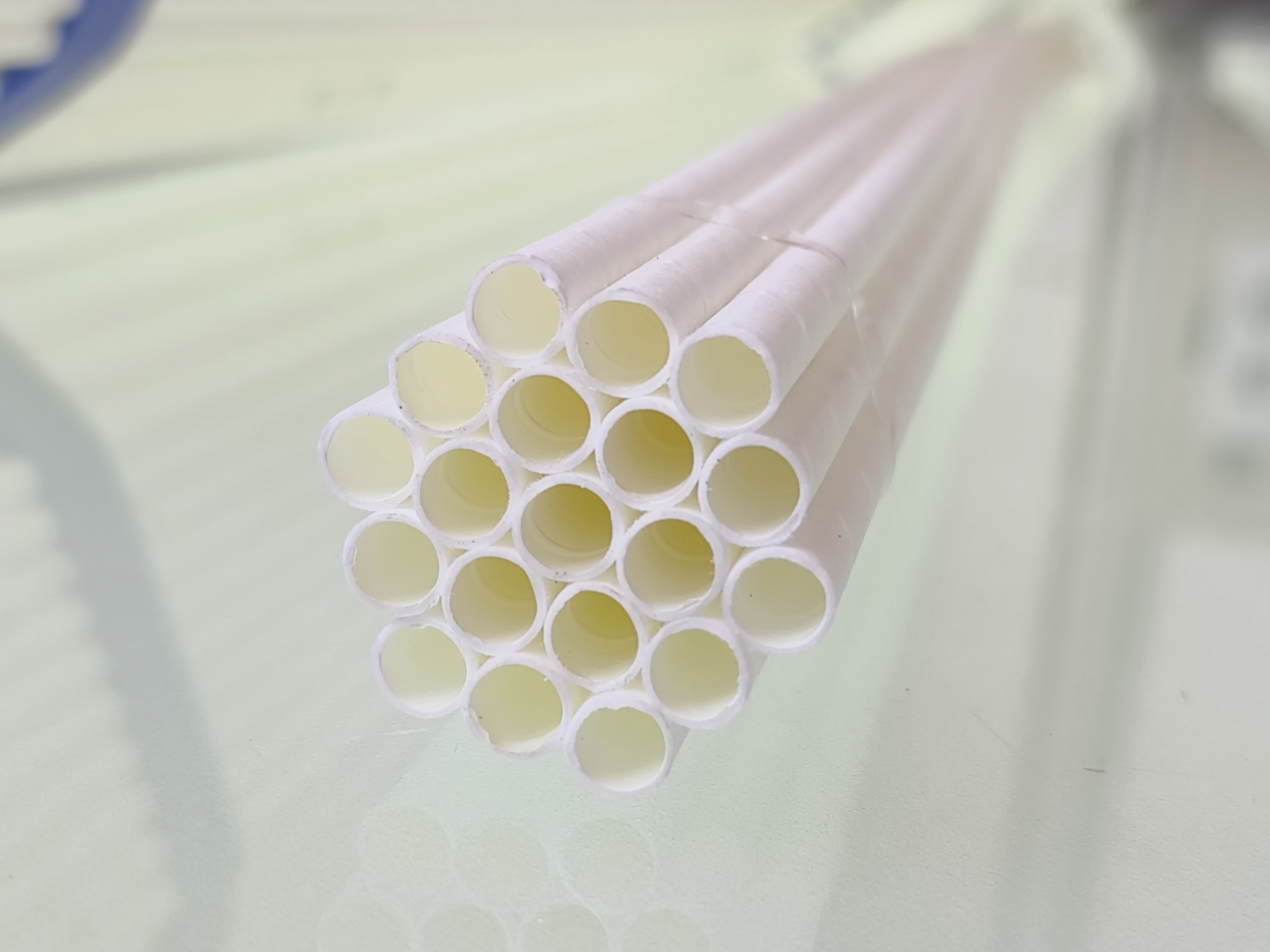
Mature conventional PVDF and proprietary PEK tubular membranes selected by feed, fouling risk, separation grade, operating window, and cleaning conditions.
Tubular membrane process solutions
Application-specific routes for MBR, softening, suspended solids, heavy metals, oily streams, and production-liquid clarification.
Industrial wastewater reuse, minimization & ZLD
Pretreatment, selective separation, and concentration sections configured around feed composition, reuse objectives, concentrate endpoints, and project interfaces.
Process fluid membrane separation
Clarification, purification, fractionation, recovery, and concentration for fermentation broths, functional sugars, organic acids, botanical extracts, condiments, and high-value process streams.
CORE TECHNOLOGIES
Used independently or in combination; the full three-stage chain is not mandatory for every project.
01PEK tubular membrane pretreatment & solid-liquid separation
04 / MILESTONES
From process-fluid separation to membrane engineering for complex industrial wastewater
Company founded
Plum began developing membrane-separation technology and industrial applications, including early experience with process fluids.
Tubular membrane R&D center
A dedicated platform was established for tubular membrane development, manufacturing, and application validation.
PEK tubular membrane series
Plum developed PEK tubular membrane products and application routes for highly fouling and chemically demanding fluids.
Selective NF and salt fractionation
Selective nanofiltration was applied to project-specific ion fractionation, impurity control, and resource-recovery interfaces.
ZLD process integration
Engineering experience expanded across PEK pretreatment, concentration, salt fractionation, and downstream evaporation or crystallization interfaces.
Integrated conditioning for high-salinity water
Plum continued integrating hardness, silica, fluoride, and related conditioning duties with downstream membrane sections.
05 / PLUM ENGINEERING RECORDS
Turning technical development into traceable engineering records
The three first-of-their-kind statements below are approved public company records. Other entries describe application scope and membrane sections without converting historical experience into a new-project performance promise.
World-first acid- and alkali-resistant PEK tubular membrane
Proprietary membrane-material and module development established a PEK product route distinct from conventional PVDF for project-specific selection in complex industrial fluids.
China’s first landfill-leachate system combining ammonia stripping and an NF full-recovery route
The project route combines front-end high-ammonia-load control for aged leachate with multistage NF selective separation.
China’s first all-membrane extraction production lines for L-lactic acid and ABA
Clarification, fractionation, purification, and concentration membrane sections were integrated with downstream refining operations for production process streams.
Process fluids, food & fermentation
- Continuous membrane filtration and cell or impurity control for fermented condiments
- Tubular membrane separation for xylitol fermentation broth
- Steam-explosion and membrane-filtration integration for xylo-oligosaccharides
- Filtration, concentration, and purification for alanine and branched-chain amino acids
- Membrane separation for stevia, inulin, and L-theanine extracts
- Membrane separation of lignin from bamboo by-product streams
- Protein concentration and resource recovery from slaughter by-products
Industrial wastewater & resource recovery
- Membrane recovery of catalyst from PVDF synthesis wastewater
- Ammonia stripping and multistage NF for landfill leachate
- Membrane salt fractionation and reuse for polymer-containing oilfield wastewater
- PEK tubular membrane routes for reclaimed-water reuse and ZLD
- Integrated membrane pretreatment for hardness, silica, and fluoride control
- UF and NF resource-recovery routes for high-salinity waste liquids
Membrane modules & technology platform
- Tubular membrane R&D center established in 2011
- PVDF, PES, and proprietary PEK tubular membrane portfolio
- Tubular membrane process solutions for softening, oil removal, impurity control, and heavy metals
- Selective NF applied to industrial salt fractionation and process-fluid purification
- Sample testing, pilot validation, and material balances used to support engineering scale-up
These records describe Plum’s historical technology and engineering application scope. Customer identity, dates, treatment results, product specifications, and new-project guarantees remain subject to approved public references and project-specific technical agreements.
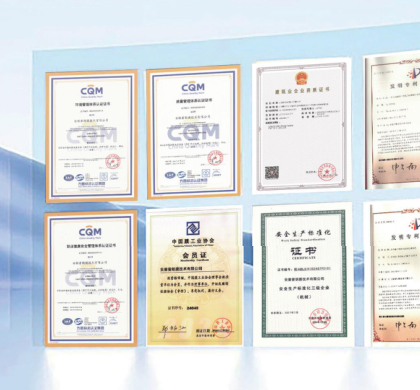
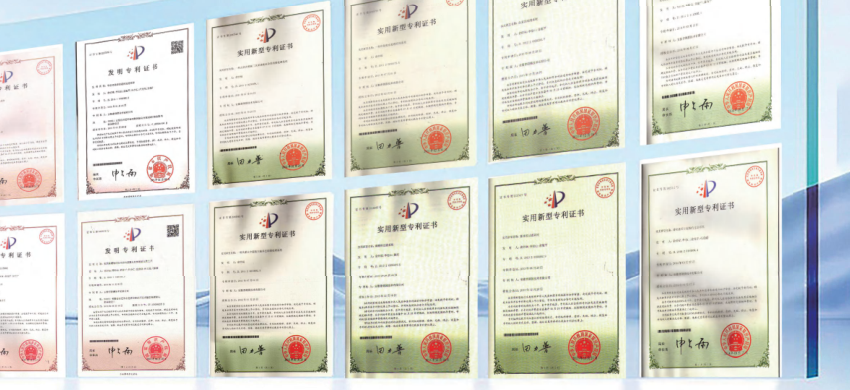
06 / CREDENTIALS
Public credentials, patents, and company recognitions
The records below summarize publicly documented management systems, company recognitions, and patents. Current certificates and disclosure scope can be confirmed during project due diligence.
07 / HOW WE WORK
Working across clear project responsibilities and interfaces
Customer logos are not displayed without permission. Cooperation is described through public roles and engineering interfaces.
Industrial owners
Route screening, validation, and project implementation begin with the actual water or process stream, treatment objective, and existing process.
EPCs & design institutes
Membrane-section selection, system boundaries, design inputs, and interface coordination support development of the overall engineering solution.
System integrators
Project cooperation can cover membrane modules, process solutions, packaged systems, and technical support.
R&D & process teams
Sample testing and pilot validation establish component destinations, operating windows, cleaning behavior, and scale-up conditions.
COMPANY PROFILE & PROJECT EVIDENCE