WATER REUSE & RO BRINE MANAGEMENT
Reclaimed Water Reuse & RO Brine ZLD Engineering Routes
Design stable reclaimed-water reuse and RO-brine minimization as two coordinated lines, with softening, PEK tubular membrane separation, selective nanofiltration, concentration, and downstream evaporation or crystallization interfaces selected as required. The actual combination depends on water quality, the reuse target, and the final brine destination.
This page presents the full engineering route without committing to one fixed process or a complete turnkey ZLD plant. Plum’s supply sections, system interfaces, and performance boundaries are confirmed for each project.
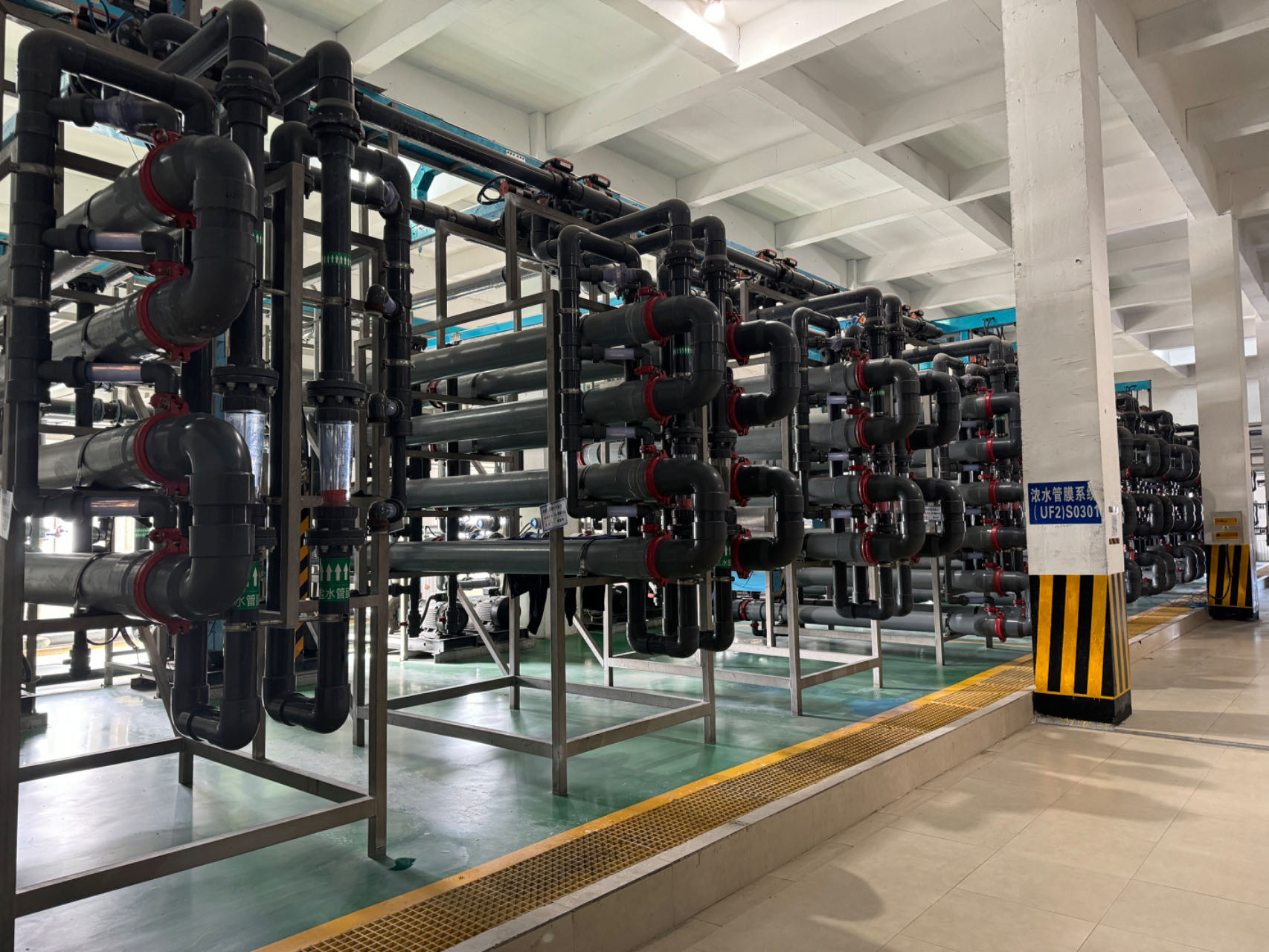
Stabilize pretreatment, control scaling risk, and establish the project-defined reuse route.
Define downstream membrane sections around minimization, salt fractionation, resource recovery, or ZLD objectives.
TWO GOALS, ONE WATER BALANCE
Design the two water lines separately, then reconcile the plant-wide water balance
The reclaimed-water line focuses on stable reuse and downstream RO operation. The RO-brine line focuses on minimization, ionic composition, resource recovery, and final destination. Both lines must be assessed within one plant-wide water balance and project boundary.
Let the reuse destination determine treatment depth
Confirm the reclaimed-water source, variability, and reuse destination before deciding whether softening, tubular membrane clarification, RO, or other polishing is required.
- Primary objective
- Stabilize feed quality, reduce scaling and fouling risk, and meet the project-defined reuse interface
- Key inputs
- Reuse destination, existing pretreatment, RO design, continuity requirements, and brine destination
Let ionic composition and the final destination determine the route
RO brine does not automatically require salt fractionation or evaporation. Selective NF, HRCC, mother-liquor recovery, and evaporation or crystallization are selected only when water quality and the final disposition objective justify them.
- Primary objective
- One or more objectives: minimization, salt fractionation, resource recovery, or ZLD
- Key inputs
- Ionic composition, scaling risk, brine flow, by-product salt destination, and evaporation interface
- 01Water sourceMunicipal reclaimed water, industrial-park reclaimed water, or existing RO brine
- 02Critical contaminantsHardness, silica, suspended solids, organics, and ionic composition
- 03Reuse targetCooling-system makeup, process water, or another project-defined use
- 04Brine destinationMinimization, salt fractionation, resource recovery, evaporation, or a discharge interface
- 05Project boundaryMembrane sections, civil works, utilities, and owner or EPC interfaces
APPLICATION SCREENING
Six input groups determine whether the route is viable
These are preliminary assessment dimensions, not universal feed limits or design guarantees. Where data are incomplete, the salt system is complex, or comparable records are unavailable, sample testing or pilot validation should follow.
Flow and variability
Hourly flow, daily variation, peak load, continuity, and the water balance between the two lines.
Hardness and silica
Ca, Mg, total hardness, silica species, alkalinity, and other scaling ions.
Solids and organics
SS, turbidity, COD/TOC, oil, colloids, and performance of the existing pretreatment.
Ionic composition
TDS, sulfate, chloride, and other ions affecting salt fractionation and concentration.
Reuse destination
Where the water will be reused, downstream quality requirements, continuity, and standby-system conditions.
Brine and by-products
Final brine destination, evaporation or crystallization interface, mother liquor, sludge, and by-product salt boundaries.
DUAL-PATH PROCESS
Design each water line separately and connect them at the downstream interfaces
This is an engineering framework for project discussion, not a fixed sequence that every project must copy. Water quality and validation results determine the reactions, membrane sections, recycle loops, and bypasses.
Reclaimed-water reuse line
The objective is a stable reuse-water source with controlled fouling and scaling risk for downstream RO.
- 01Reclaimed waterSource, variability, and current water quality
- 02PretreatmentEqualization and project-specific upstream conditioning
- 03Hardness and silica removalDefine the reaction route against scaling risk
- 04PEK tubular membranePost-reaction solids separation and downstream protection
- 05RO reuseDefine the desalination section against the reuse destination
- 06Reuse interfaceProject-defined process-water or cooling-water point
RO-brine line
The objective may be minimization, salt fractionation, resource recovery, or ZLD, but ionic composition and the final destination must be confirmed first.
- 01RO brineConfirm source, flow, and ionic composition
- 02Targeted conditioningSecondary softening or another reaction where required
- 03PEK tubular membraneReaction-solids separation and membrane-section protection
- 04Selective NFUse only when ionic composition and objectives are compatible
- 05HRCC / other concentrationReduce brine volume where pretreatment and water quality are suitable
- 06Downstream interfaceEvaporation, crystallization, resource recovery, or another project endpoint
Mother-liquor recovery or recycle requires a separate assessment of composition, impurity accumulation, economics, and the line-wide water and salt balance. It is not a default configuration.
Route boundaryNot every project requires softening, NF, HRCC, and evaporation or crystallization. Reaction chemicals, recycle ratios, membrane types, concentration factors, and guarantee values are confirmed only after technical assessment.
TECHNOLOGY RESPONSIBILITIES
Each technology section addresses only its defined duty
State the duty and operating conditions of each section separately; no single membrane technology should be presented as the complete ZLD route.
Reaction softening + PEK tubular membrane
Chemical reactions convert scaling species into a separable form. The PEK tubular membrane then separates reaction solids and establishes a more stable feed for NF, RO, or concentration.
View the PEK softening process solution → 02 · SALT FRACTIONATIONSelective nanofiltration
Where ionic composition, target salts, and the downstream route are compatible, selective NF can support salt fractionation or impurity control. Selectivity, separation ratio, and product destination require separate validation.
View selective nanofiltration technology → 03 · CONCENTRATIONHRCC continuous high-concentration RO
Where pretreatment, water quality, and osmotic pressure are suitable, HRCC can further reduce brine volume and connect to downstream evaporation or resource-recovery sections.
View HRCC technology →Evaporation, crystallization, and salt-disposition interfaces
Evaporators, crystallizers, by-product salts, mother liquor, sludge, and solid-waste disposition are whole-project interfaces. Equipment scope and final responsibility follow the confirmed owner or EPC division of work.
Not a default turnkey commitmentDESIGN INPUTS
A preliminary assessment requires more than TDS and flow
Provide water quality for each line separately, then combine it with the existing process, reuse target, and final brine destination to create traceable design inputs.
- Basic duty data
- Hourly and daily flow, variability, temperature, pH, and operating schedule
- Salts and scaling species
- TDS, Ca, Mg, total hardness, silica, alkalinity, sulfate, and chloride
- Contaminants
- SS, turbidity, COD/TOC, oil, and other known colloids or organics
- Existing system
- Pretreatment, UF/NF/RO, chemicals, cleaning, operating issues, and reusable equipment
- Treatment objectives
- Reuse destination, minimization target, salt-fractionation or recovery objectives, and discharge boundary
- Downstream and disposition
- Evaporation and crystallization, mother liquor, sludge, by-product salts, solid waste, and utility interfaces
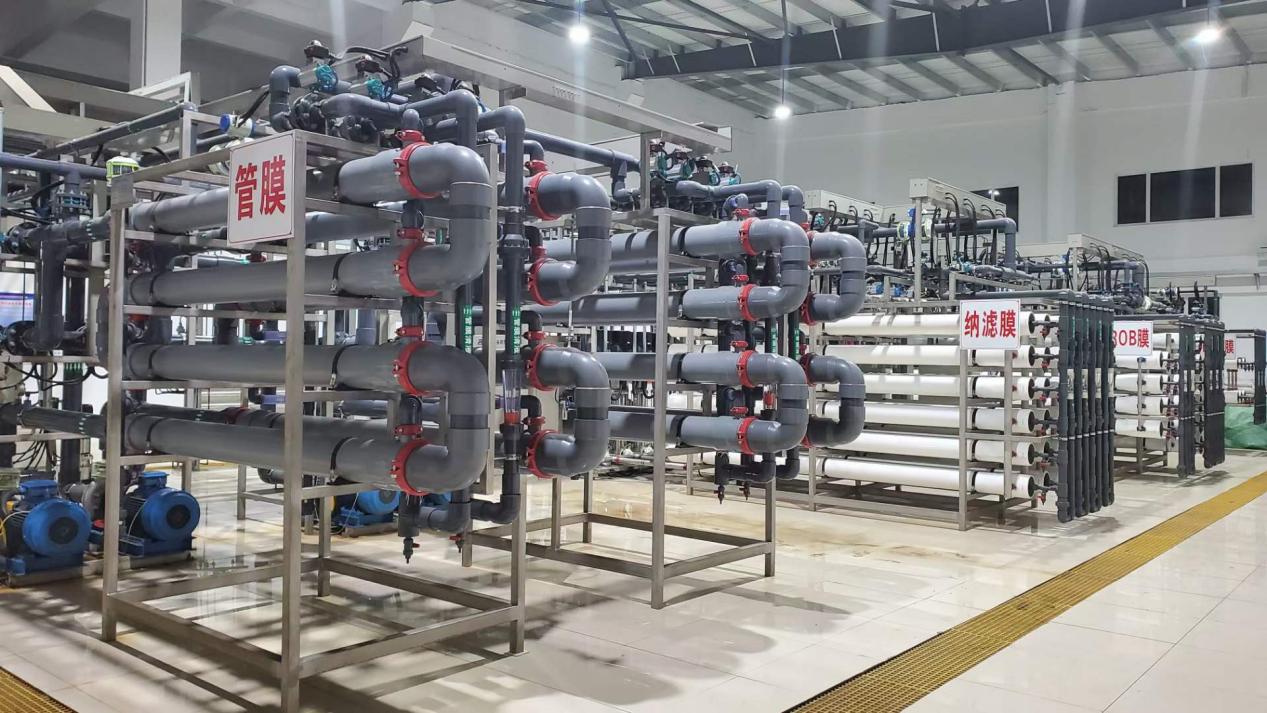
Project operating records, test data, and new-project guarantee values must be managed separately. Membrane flux, recovery, salt-fractionation performance, water quality, energy use, or salt quality from an existing project cannot replace the design and guarantee conditions for a new project.
ENGINEERING & SUPPLY BOUNDARY
The full route can be shown; supply responsibilities must be confirmed item by item
Plum can support route development, packaged membrane systems, and commissioning for the membrane-process sections. Plant-wide civil works, utilities, evaporation and crystallization, and final disposition are not automatically included in the same scope.
- Water analysis and preliminary route assessment for reclaimed water and RO brine
- Selection of softening, tubular membrane, NF, RO/HRCC, and related membrane sections
- Packaged membrane systems, circulation, CIP, instrumentation, and controls
- Sample testing, pilot validation, and scale-up support where required
- Membrane-section commissioning, training, and owner or EPC interface support
- Civil works, buildings, electrical supply, steam, compressed air, and utilities
- Evaporators, crystallizers, drying, packaging, and salt-product responsibility
- Mother liquor, sludge, by-product salts, solid waste, and final disposition route
- Plant-wide water balance, total-system performance, and line-wide automation interfaces
- Division of work among the owner, engineering institute, EPC, and other equipment suppliers
PROJECT EVIDENCE
Use a relevant reference to demonstrate process-section experience, not to replace new-project design
The customer name, project year, and operating results are not public. This page shows only the confirmed capacities, project direction, and main engineering sections.
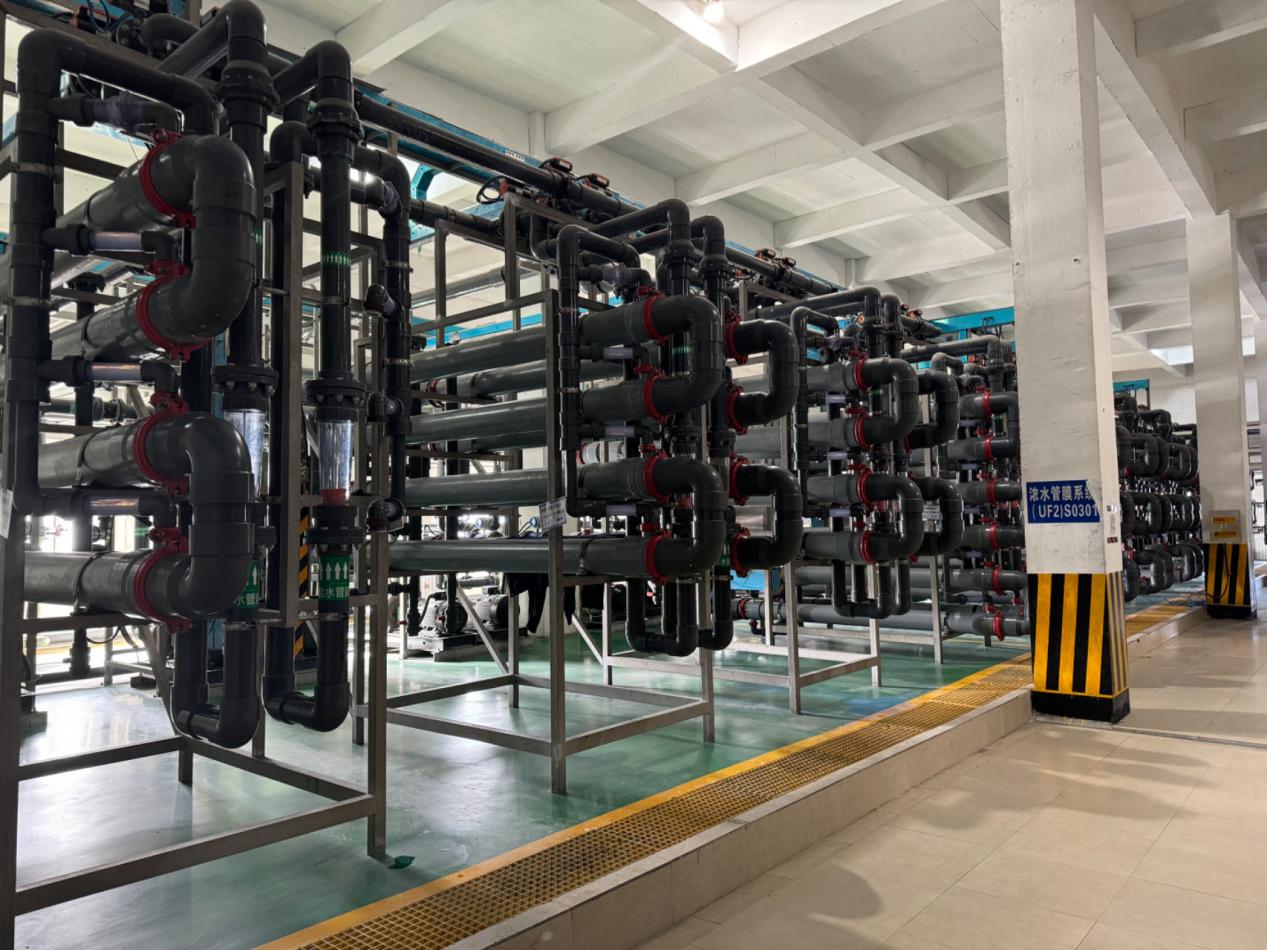
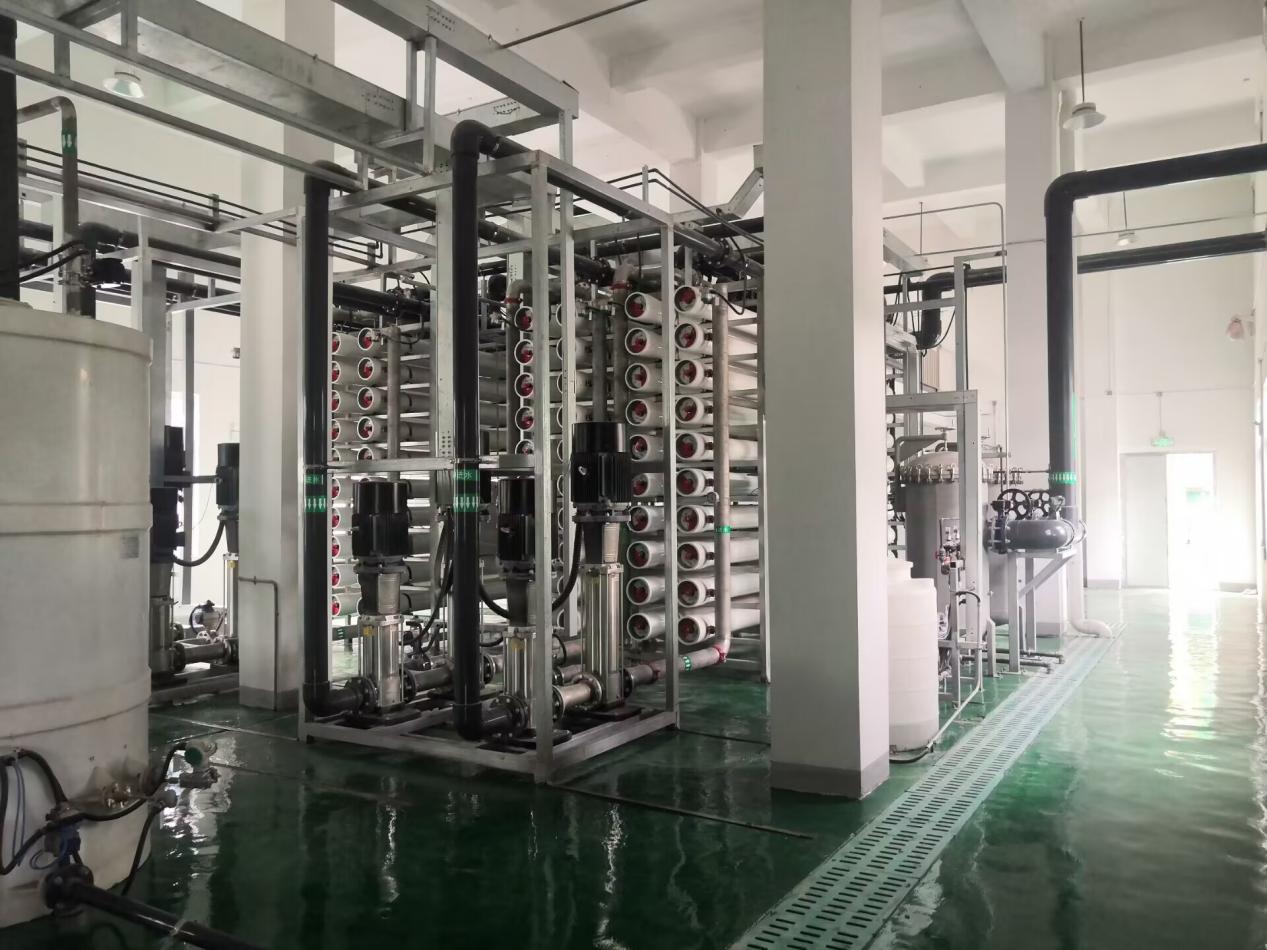
Reclaimed-water reuse + RO-brine treatment
The record covers reclaimed-water pretreatment and reuse, plus RO-brine softening, PEK tubular membrane, and NF/RO process sections. The page does not extend the project-specific scope, operating parameters, or treatment results.
These capacities document Plum’s experience with dual-water-line projects. Every new project still requires an independent design based on water quality, flow, objectives, site conditions, and the formal technical agreement.
PROJECT RESOURCES
Prepare project information for both water lines
Route entryIndustrial wastewater reuse, minimization & ZLD
Front-end processPEK softening process solution
ENGINEERING FAQ
Questions about reclaimed-water reuse and RO-brine routes
How do the design priorities differ between the reclaimed-water and RO-brine lines?
The reclaimed-water line focuses on stable reuse, downstream RO protection, and continuity. The RO-brine line focuses on minimization, ionic composition, salt fractionation or resource recovery, and final disposition. Assess the water quality of each line separately, then connect them in the plant-wide water balance.
Does every RO-brine project require selective NF for salt fractionation?
No. Consider selective NF only where ionic composition, target salts, downstream crystallization, or resource-recovery requirements match membrane selectivity. Water analysis and any required testing must confirm its use and performance boundaries.
Does every ZLD project require evaporation and crystallization?
It depends on the final brine destination, regulations, and disposition conditions. Some projects connect to evaporation, crystallization, or resource-recovery equipment; others may use a different confirmed endpoint. Plum does not commit to one universal configuration on this page.
When is sample testing or pilot validation recommended?
Start with sample testing where the salt system is complex, silica or organic species are unclear, objectives include salt fractionation, resource recovery, or mother-liquor recovery, comparable data are unavailable, or fouling, cleaning, and concentration boundaries must be confirmed. Use continuous pilot validation when scale-up inputs are required.
What information is required for preliminary assessment?
For each line, provide flow, temperature, pH, TDS, Ca, Mg, total hardness, silica, alkalinity, sulfate, chloride, SS, and COD/TOC, together with the existing process, reuse destination, final brine destination, water balance, and downstream interfaces.
Does Plum supply a complete turnkey ZLD plant by default?
No. Plum can support route design, membrane-section selection, packaged systems, validation, commissioning, and engineering interfaces. Civil works, utilities, evaporation and crystallization, salt disposition, total-system performance, and owner or EPC responsibilities must be confirmed item by item for the project.
Can existing project capacities and data be used directly for a new design?
No. Existing project capacities demonstrate experience with the relevant process sections only. Operating records, test data, and new-project guarantee values have different conditions of applicability and must be confirmed separately in the formal technical assessment and agreement.
SUBMIT WATER QUALITY & FLOW
Submit data for both water lines for a preliminary route assessment
Where possible, provide separate water analyses for reclaimed water and RO brine, the water balance, existing process, reuse destination, and final brine destination. Plum will first review data completeness, then identify the membrane sections that can be assessed and the next validation step.
Submitted information is used only for preliminary project assessment. It does not constitute a commitment on treatment performance, recovery, energy use, salt quality, scope of supply, or delivery schedule.