
PROJECT EVIDENCE
Engineering Case Studies
Compare project scale, feed or process stream, and the membrane sections actually used across tubular membrane engineering, industrial wastewater reuse and ZLD, and process-fluid separation.
Showing 1–12 of 72
All case studies
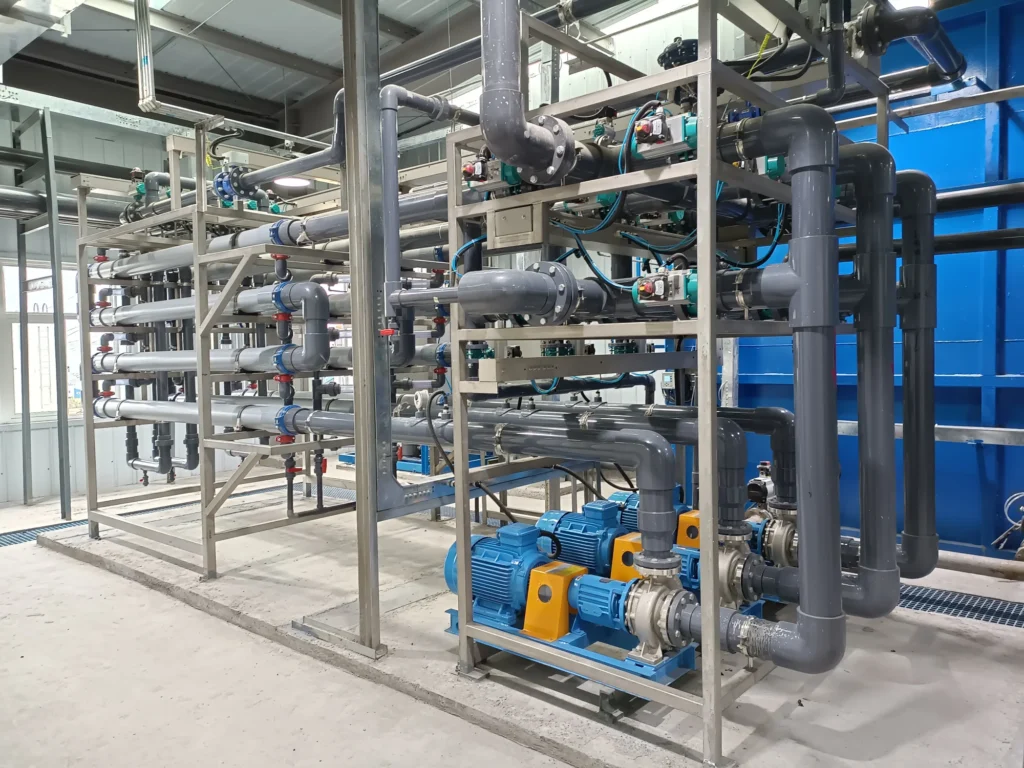
Tubular Membrane Engineering
40 m³/h Coking Wastewater PEK Softening
Control reaction solids and hardness- or silica-related scaling risks before downstream membrane sections.
The capacity and membrane sections document this reference only; they do not establish design or performance for a new duty.
View case details →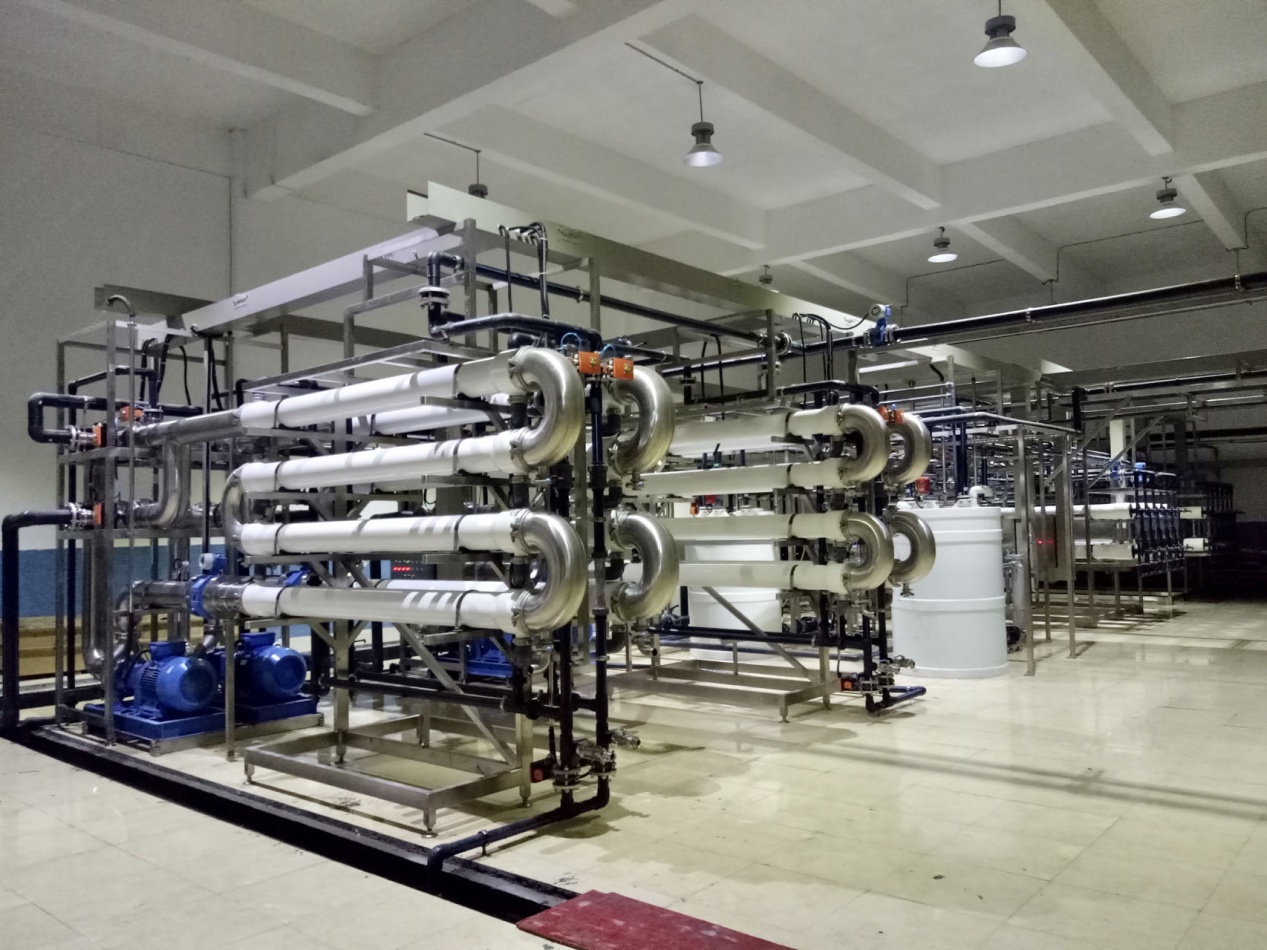
Tubular Membrane Engineering
425 m³/d Landfill Leachate External Cross-Flow MBR
Continuously separate biological solids from treated water through an external tubular membrane circulation section.
The capacity and membrane sections document this reference only; they do not establish design or performance for a new duty.
View case details →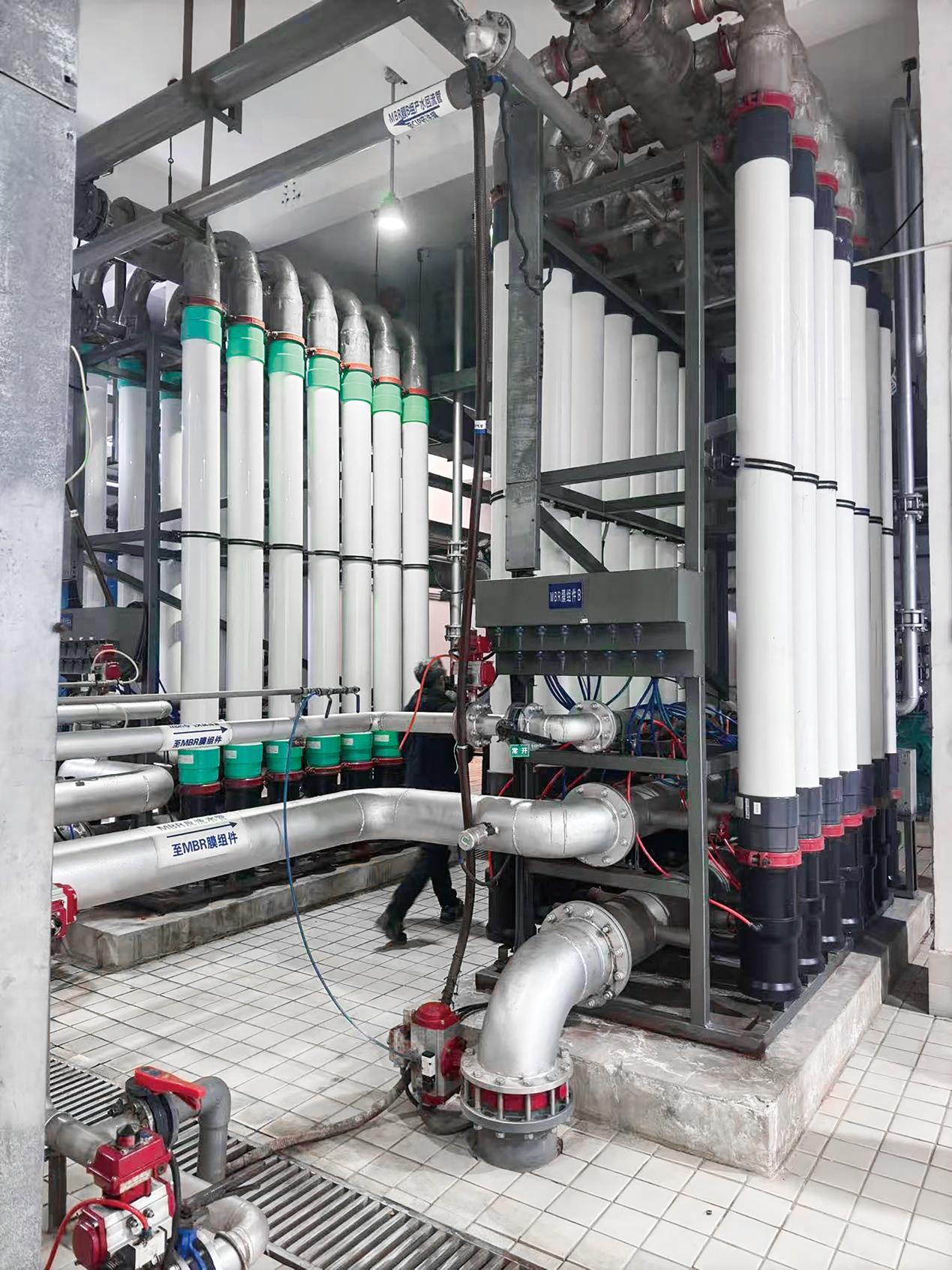
Tubular Membrane Engineering
1,100 m³/d Industrial Wastewater Air-Lift Tubular MBR
Use gas-liquid circulation to establish membrane-surface hydraulics and separate biological solids from treated water.
The capacity and membrane sections document this reference only; they do not establish design or performance for a new duty.
View case details →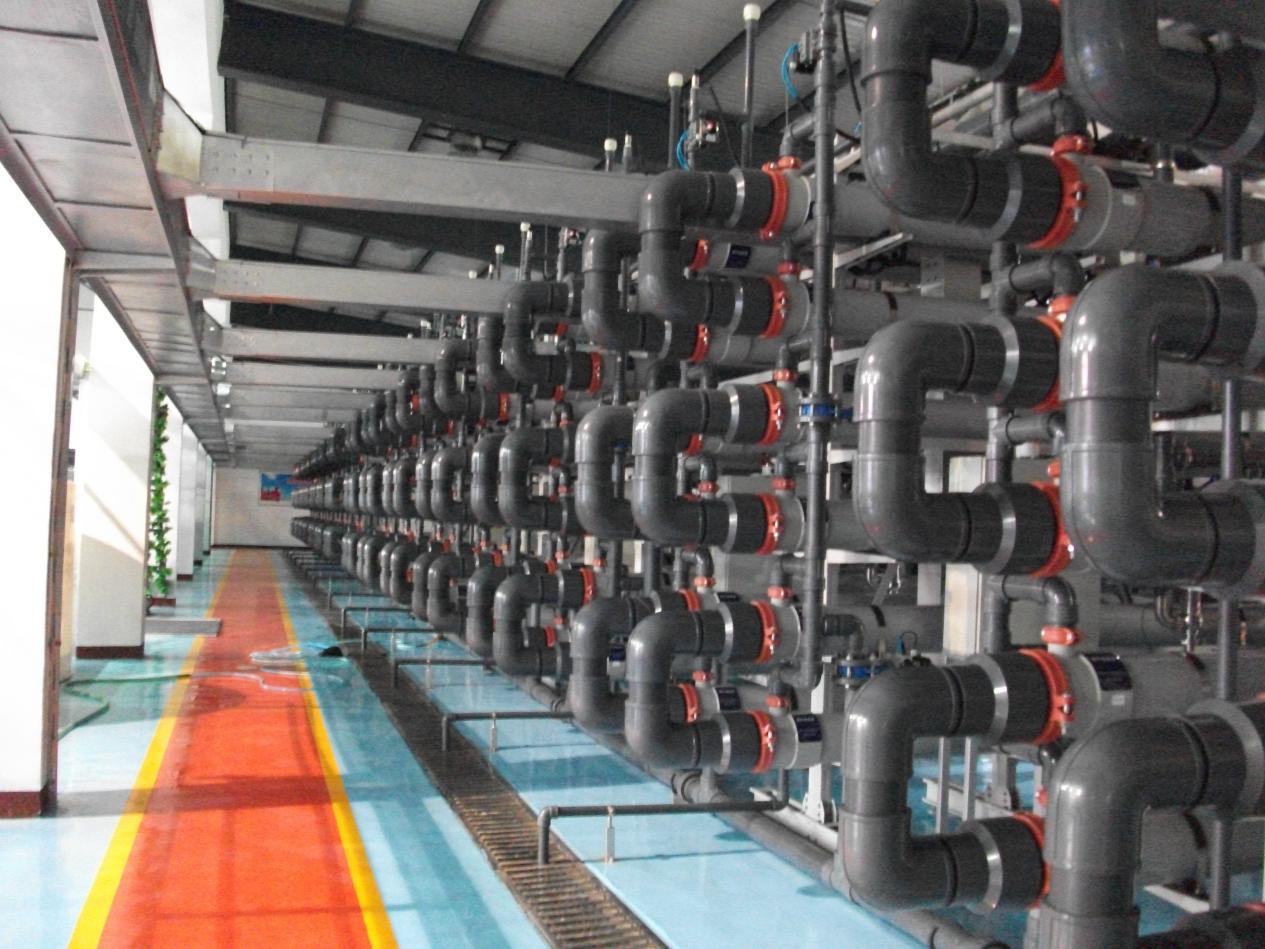
Tubular Membrane Engineering
100 m³/h Oilfield Produced Water Treatment
Control oil-bearing and suspended phases before the project-defined reinjection, reuse, or polishing section.
The capacity and membrane sections document this reference only; they do not establish design or performance for a new duty.
View case details →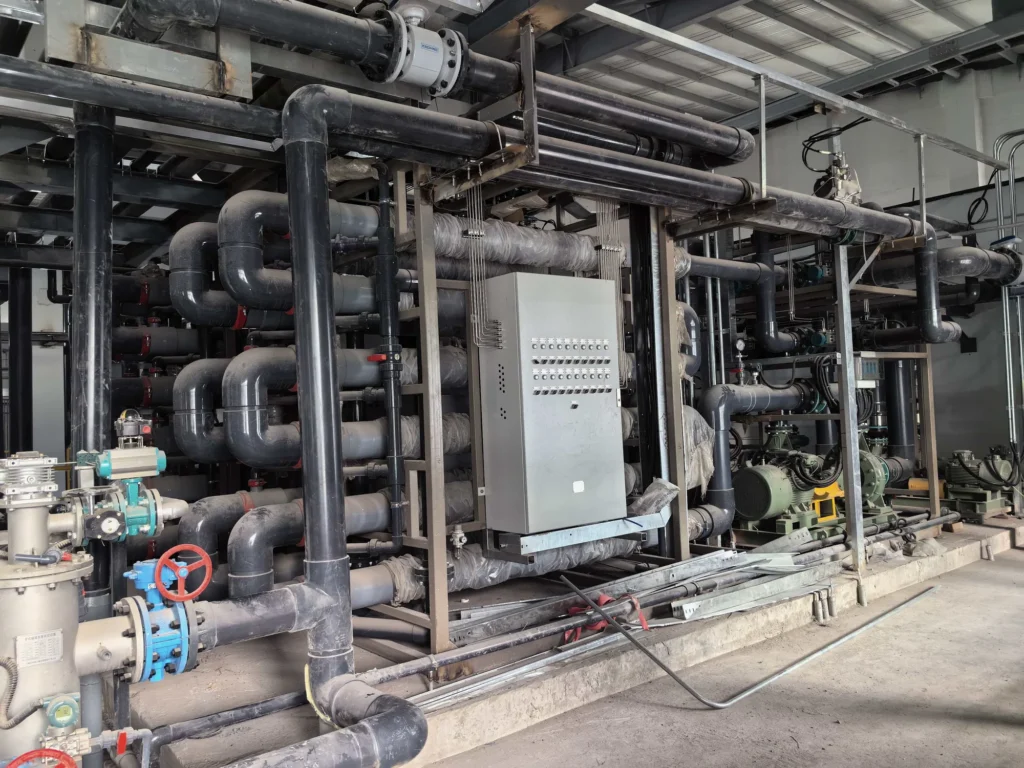
Tubular Membrane Engineering
77 m³/h RO Brine Softening, Fluoride and Silica Removal Project
This project treats second-stage RO brine in a 77 m³/h softening and tubular-membrane section. Chemical treatment and PEK tubular membranes separate precipitates associated with hardness, silica and fluoride before downstream ion exchange.
This reference is for comparison; a new duty requires its own engineering validation.
View case details →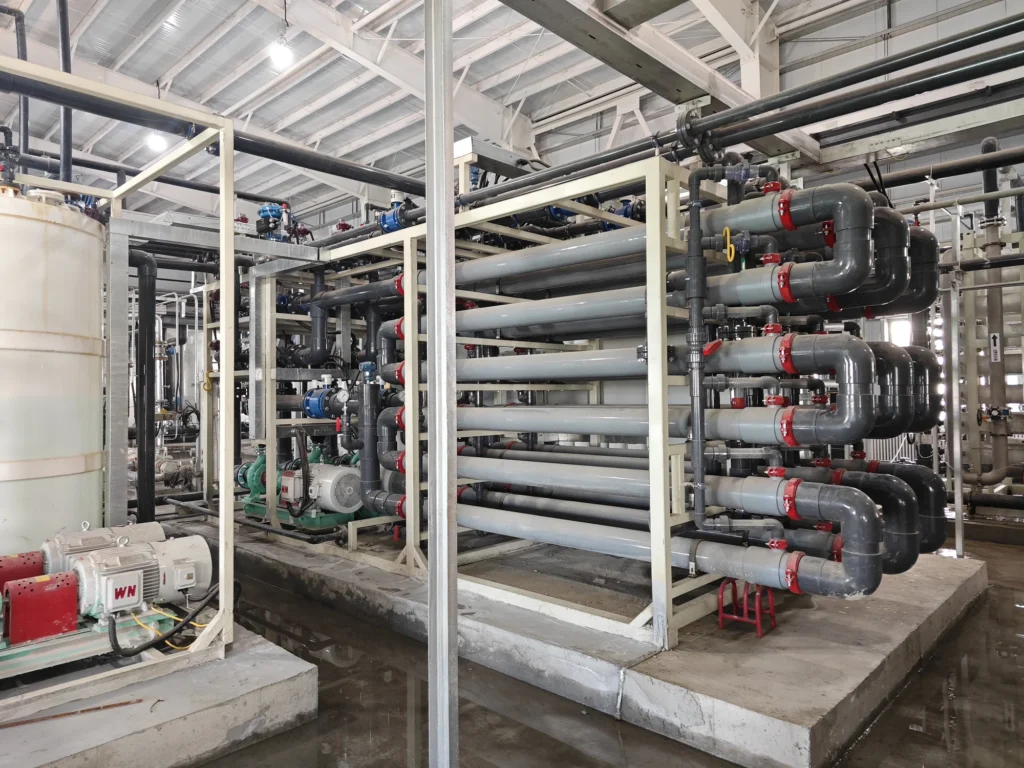
Tubular Membrane Engineering
40 m³/h Mine-Water RO Brine Tubular-Membrane Softening Retrofit
This mine-water treatment-plant retrofit adds a 40 m³/h brine softening and tubular-membrane section. Chemical softening and membrane solid-liquid separation are installed at the interface with existing NF and RO systems.
This reference is for comparison; a new duty requires its own engineering validation.
View case details →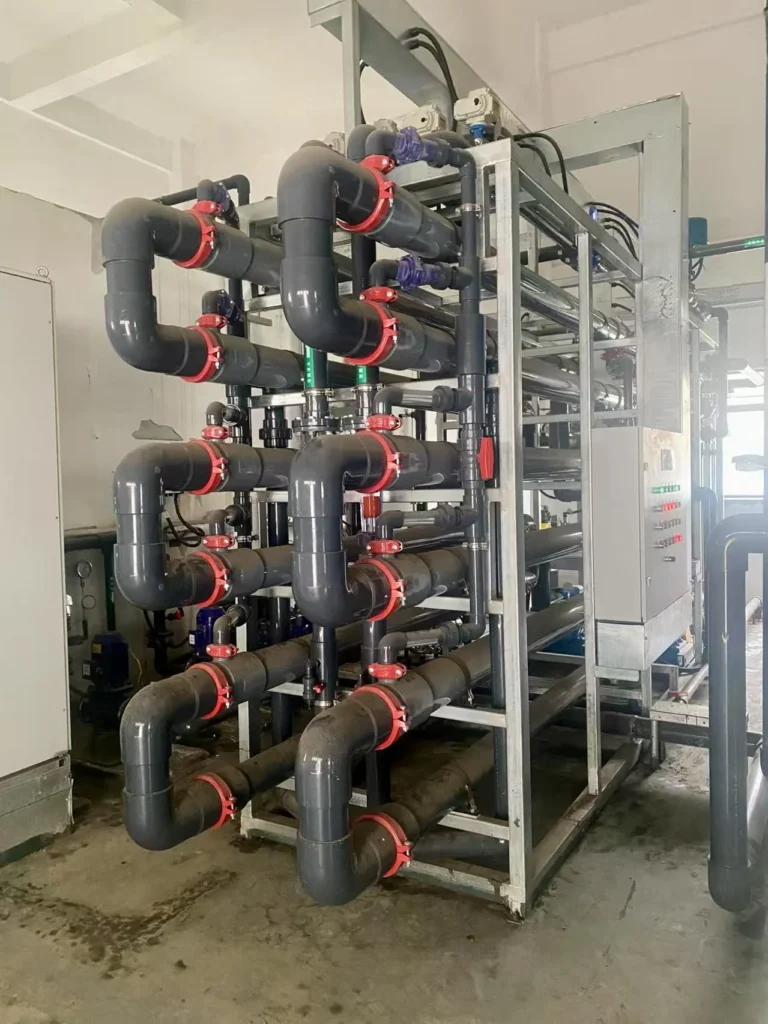
Tubular Membrane Engineering
20 m³/h Biomass Power Plant Cooling-Blowdown Softening Project
This project treats 20 m³/h of cooling blowdown from a biomass power plant. Dual-alkali softening is combined with PEK tubular membranes for solid-liquid separation after precipitation.
This reference is for comparison; a new duty requires its own engineering validation.
View case details →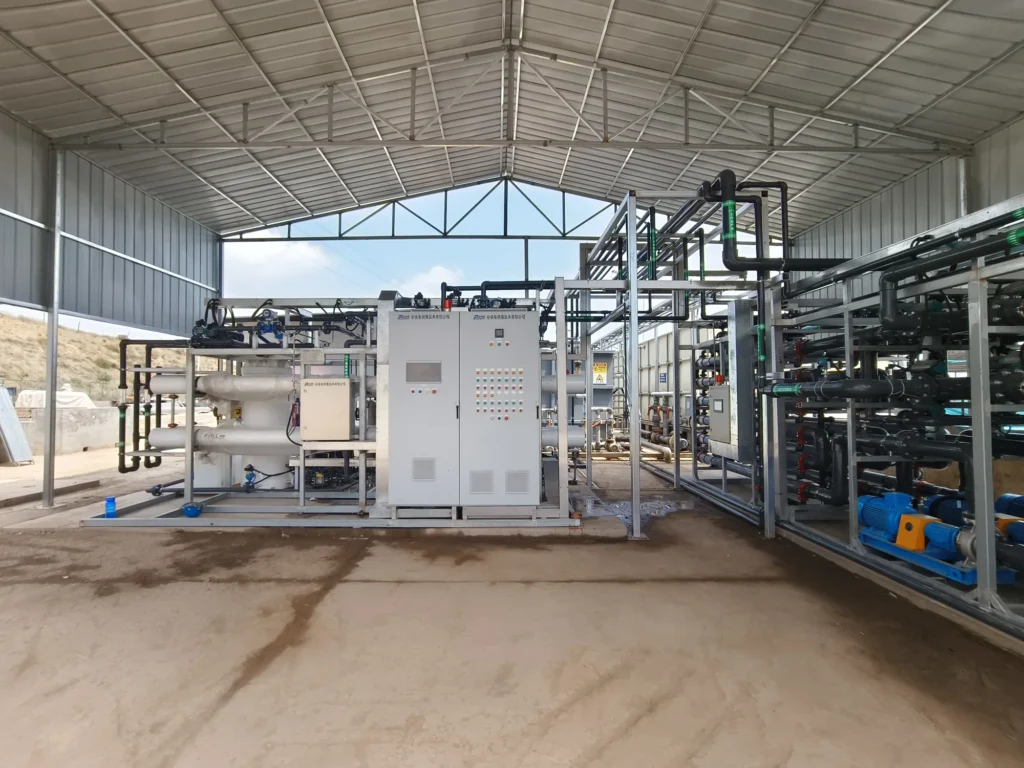
Tubular Membrane Engineering
200 m³/d Oil and Gas Fracturing Flowback Membrane Project
This project treats oil and gas fracturing flowback at a recorded scale of 200 m³/d. Dissolved-air flotation and PEK tubular membranes are combined for solid-liquid separation of oily flowback.
This reference is for comparison; a new duty requires its own engineering validation.
View case details →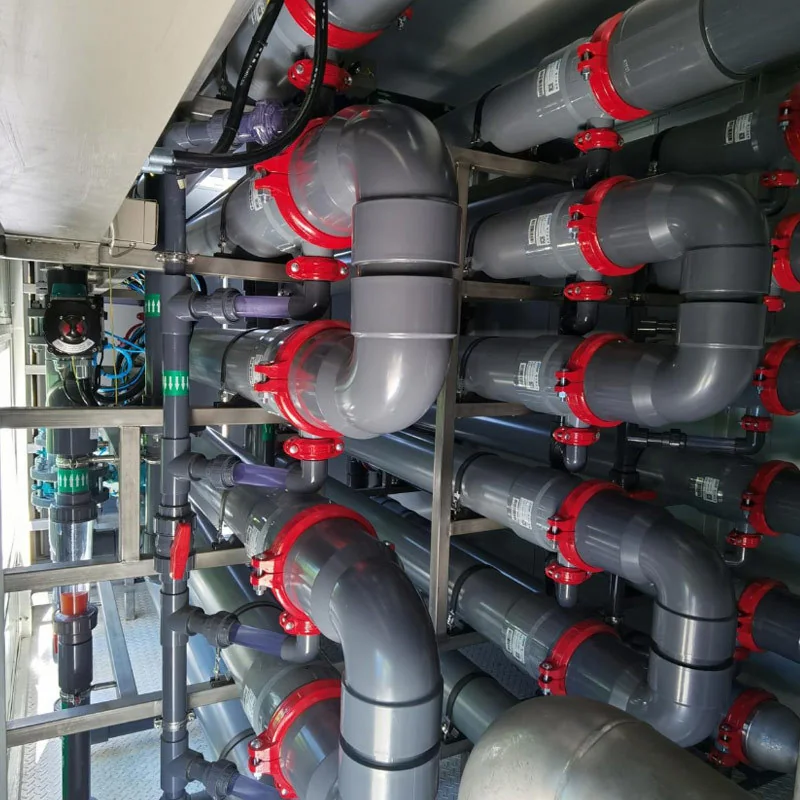
Tubular Membrane Engineering
1,200 m³/d Oilfield Produced-Water Tubular Membrane Project
This 1,200 m³/d project treats oilfield produced water using dissolved-air flotation and PEK tubular membranes. The process separates oil and suspended solids before the subsequent reinjection-water treatment duty.
This reference is for comparison; a new duty requires its own engineering validation.
View case details →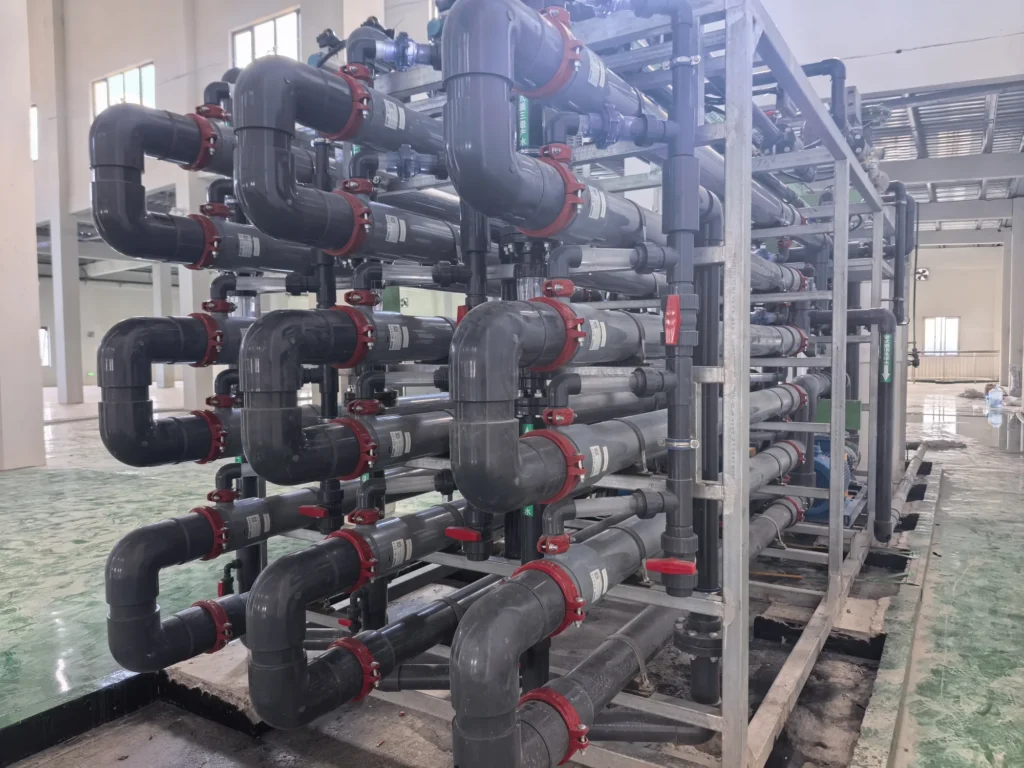
Tubular Membrane Engineering
300 m³/d Fly-Ash Washing Wastewater Softening Project
This project treats wastewater from washing municipal-waste-incineration fly ash at a scale of 300 m³/d. Multistage softening and PEK tubular membrane solid-liquid separation connect to downstream evaporation and crystallization for wash-water treatment and water-and-salt resource recovery.
This reference is for comparison; a new duty requires its own engineering validation.
View case details →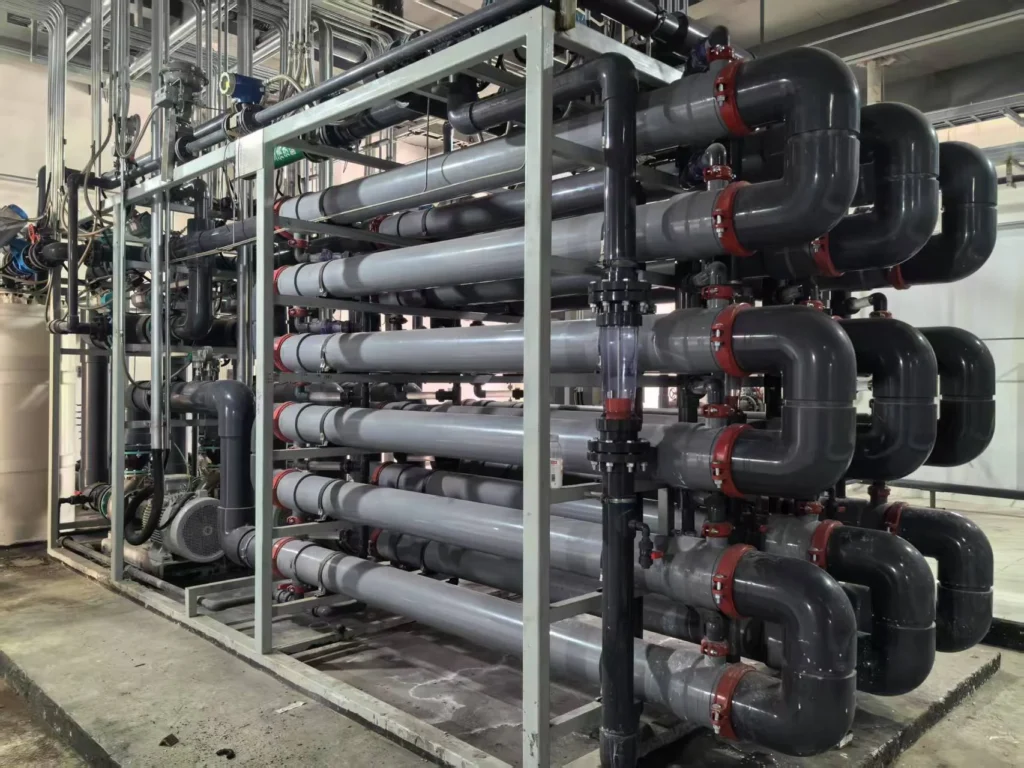
Tubular Membrane Engineering
60 m³/h Mine-Water RO Concentrate Softening and Silica Removal Project
This project treats reverse-osmosis concentrate within a mine-water treatment upgrade at a scale of 60 m³/h. Softening and silica-removal reactions are combined with PEK tubular membranes, followed by weak-acid cation exchange and nanofiltration salt separation.
This reference is for comparison; a new duty requires its own engineering validation.
View case details →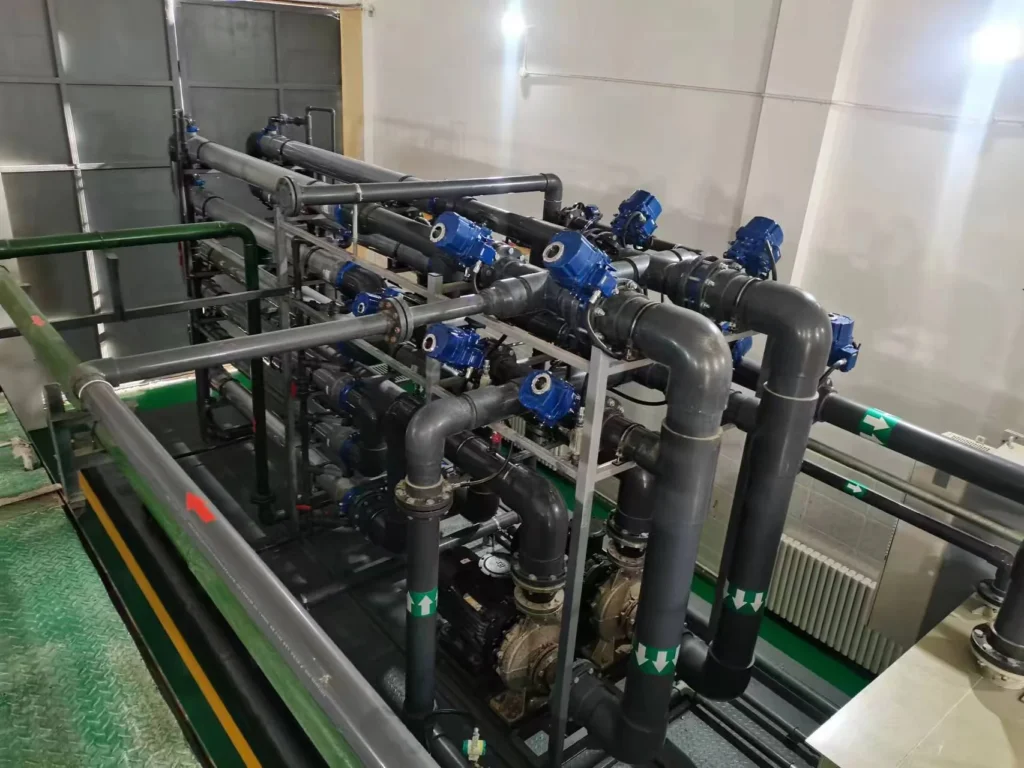
Tubular Membrane Engineering
500 m³/d Oilfield Produced-Water Oil Removal Project
This project treats oilfield produced water at a scale of 500 m³/d. Gravity settling, dissolved air flotation and PEK tubular membranes are combined to remove oil and suspended solids in preparation for reinjection.
This reference is for comparison; a new duty requires its own engineering validation.
View case details →PROJECT CONTEXT