
PROJECT EVIDENCE
Engineering Case Studies
Compare project scale, feed or process stream, and the membrane sections actually used across tubular membrane engineering, industrial wastewater reuse and ZLD, and process-fluid separation.
Showing 49–60 of 72
All case studies
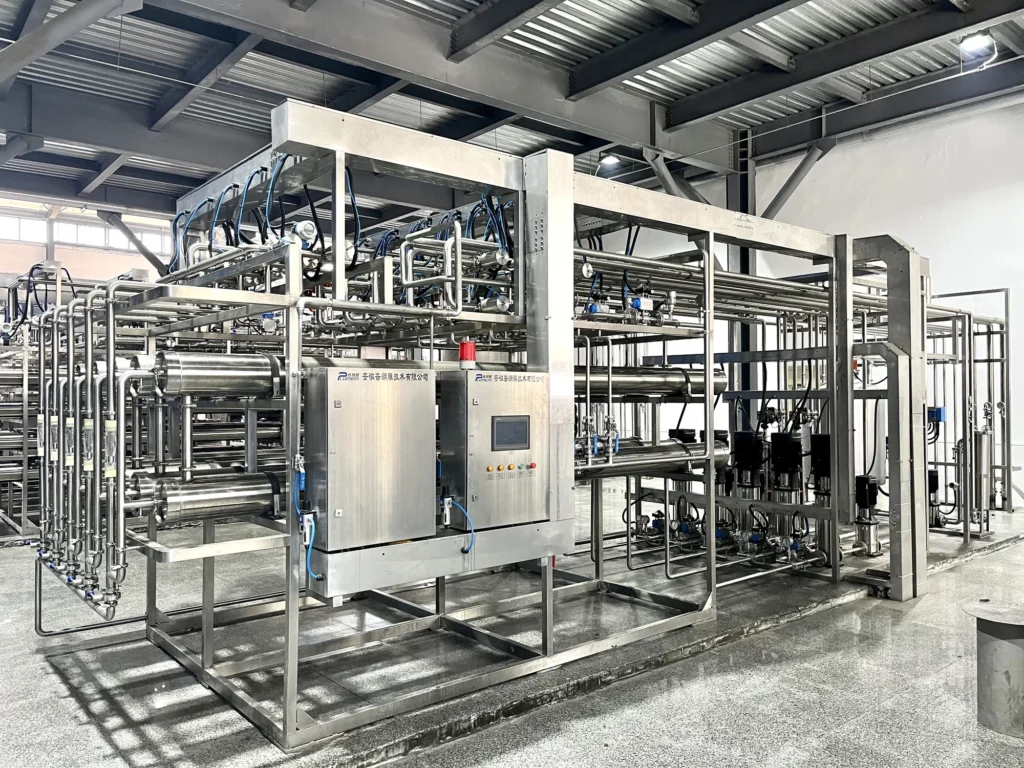
Process Fluid Membrane Separation
55 m³/h Dilute Lactic Acid Membrane Concentration
This 55 m³/h project processes dilute lactic acid liquor. The membrane stage recovers and concentrates dilute lactic acid. Permeate is reused and concentrate proceeds to evaporation. This case and the 15 m³/h lactic-acid NF case document different sections at the same plant.
This reference is for comparison; a new duty requires its own engineering validation.
View case details →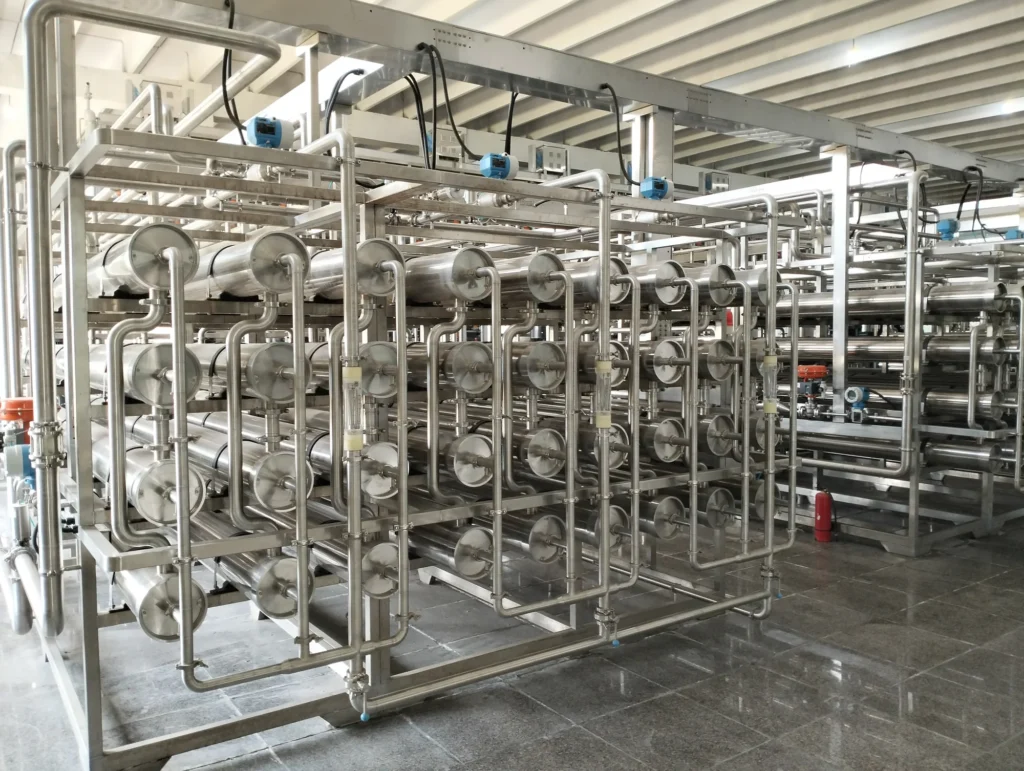
Process Fluid Membrane Separation
40 m³/h Lactic Acid Condensate Recovery and Concentration
This 40 m³/h project processes dilute lactic acid liquor in evaporation condensate. The membrane stage recovers dilute lactic acid from evaporation condensate. Permeate returns to process-water reuse and concentrate proceeds to evaporation. This case and the 20 m³/h lactic-acid NF case cover different sections at the same plant.
This reference is for comparison; a new duty requires its own engineering validation.
View case details →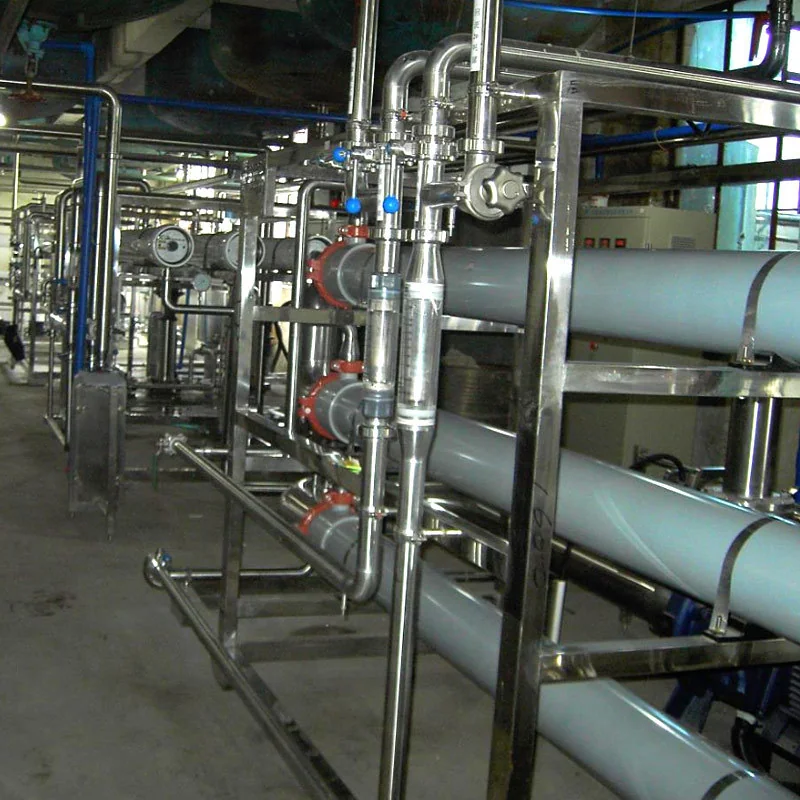
Process Fluid Membrane Separation
300 m³/d ABA Fermentation Broth Membrane Separation
This 300 m³/d project processes ABA fermentation broth. The membrane stages provide broth clarification, purification and concentration as an integrated membrane processing system for the ABA stream.
This reference is for comparison; a new duty requires its own engineering validation.
View case details →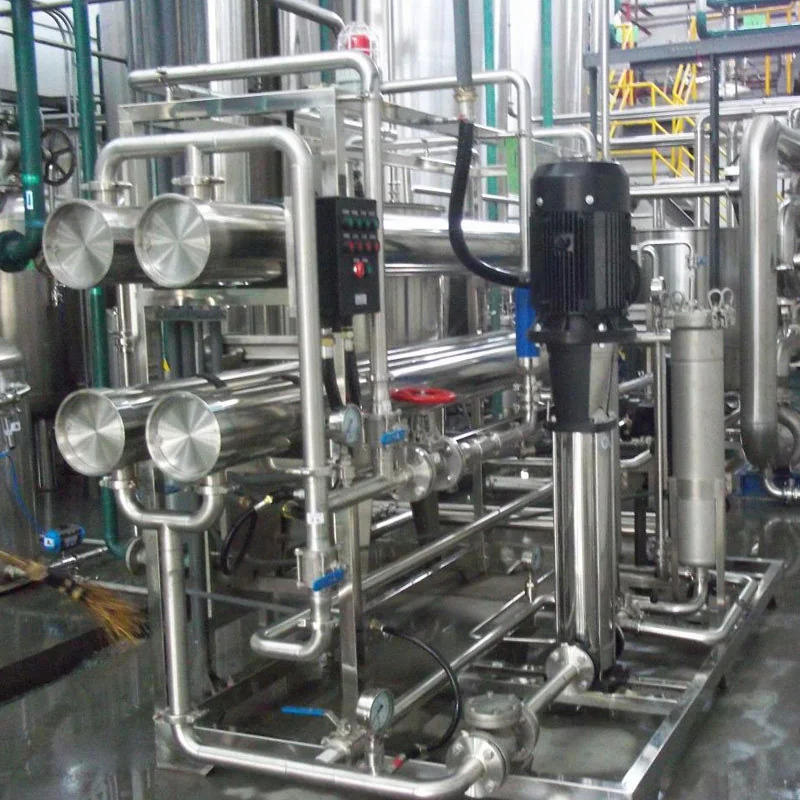
Process Fluid Membrane Separation
6 m³/h Cistanche Extract Membrane Processing
This 6 m³/h project processes Cistanche extract. Tubular UF removes proteins, pectin and starch. NF concentrate feeds the column-treatment stage, while a separate RO stage removes alcohol and concentrates the column eluate.
This reference is for comparison; a new duty requires its own engineering validation.
View case details →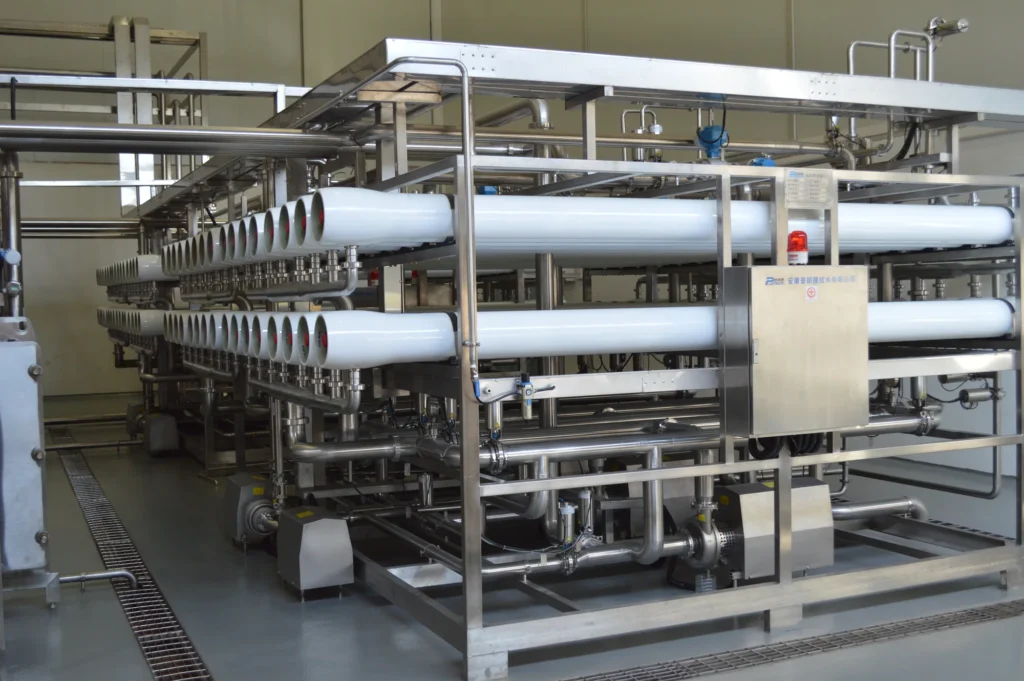
Process Fluid Membrane Separation
120 m³/h Soy Sauce Ultrafiltration Clarification
This 120 m³/h project processes soy sauce. Ultrafiltration clarifies soy sauce and provides impurity separation and microbial control using hygienic membrane equipment. This case documents the soy-sauce project.
This reference is for comparison; a new duty requires its own engineering validation.
View case details →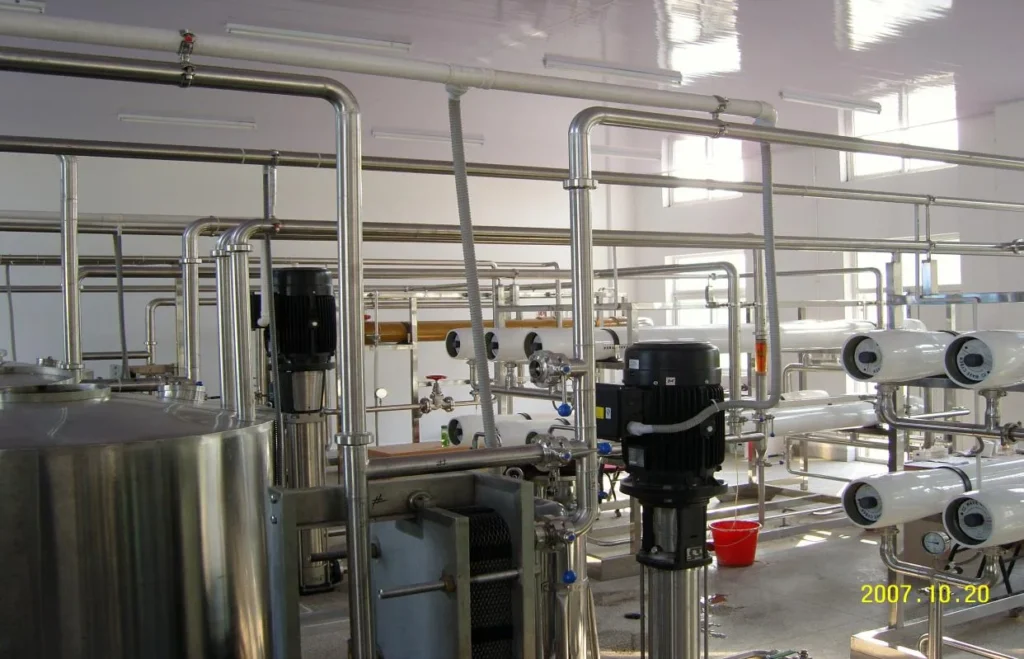
Process Fluid Membrane Separation
300 m³/d Integrated Membranes for BCAA Fermentation Broth
This 300 m³/d project processes leucine, isoleucine and valine fermentation broth. Tubular UF separates cells, proteins and polysaccharides. NF provides decolorization and purification, and RO concentrates the stream before downstream ion exchange and crystallization.
This reference is for comparison; a new duty requires its own engineering validation.
View case details →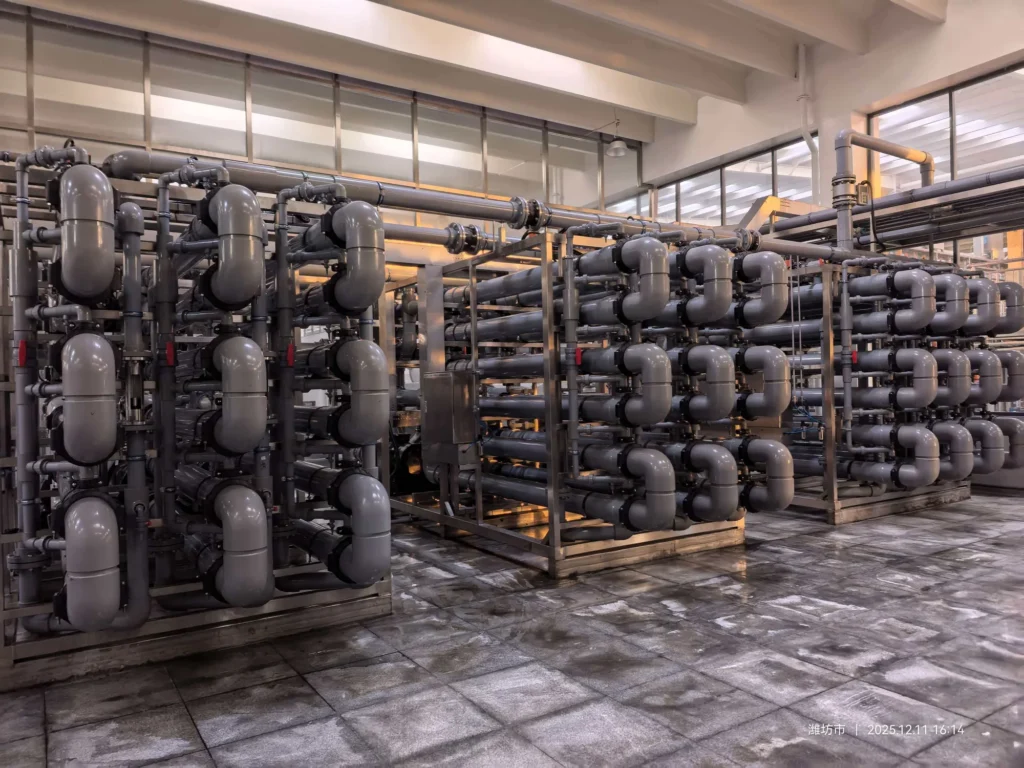
Process Fluid Membrane Separation
2,500 m³/d Glucose Liquor Tubular Membrane Clarification
This 2,500 m³/d project processes saccharified glucose liquor. Tubular membranes separate proteins, colloids, dextrins and other impurities. The system performs the clarification duty previously handled by plate-and-frame filtration, ahead of ion exchange and further refining.
This reference is for comparison; a new duty requires its own engineering validation.
View case details →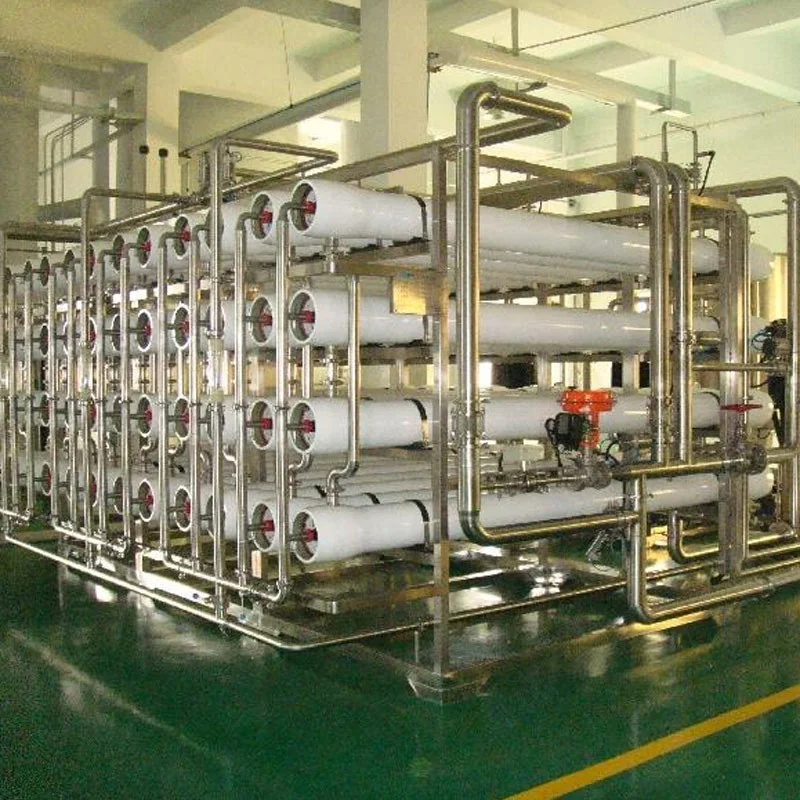
Process Fluid Membrane Separation
13 m³/h L-Lactic Acid Nanofiltration Purification
This 13 m³/h project processes lactic acid liquor. Two-stage nanofiltration decolorizes the lactic acid liquor and separates residual sugars, preparing purified liquor for downstream evaporation and concentration.
This reference is for comparison; a new duty requires its own engineering validation.
View case details →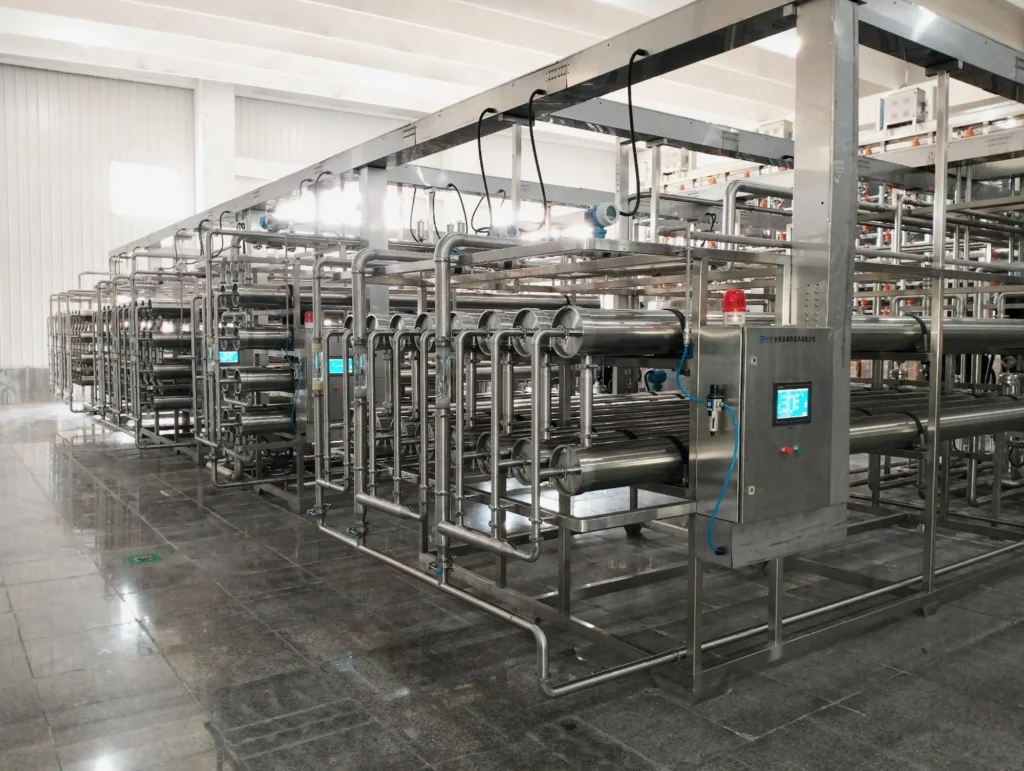
Process Fluid Membrane Separation
20 m³/h L-Lactic Acid Nanofiltration Purification
This 20 m³/h project processes lactic acid production liquor. The system serves a 100,000 t/a lactic acid production line. Two-stage NF decolorizes the liquor and separates residual sugars before evaporation. The 40 m³/h dilute-lactic-acid recovery case covers a different section at the same plant.
This reference is for comparison; a new duty requires its own engineering validation.
View case details →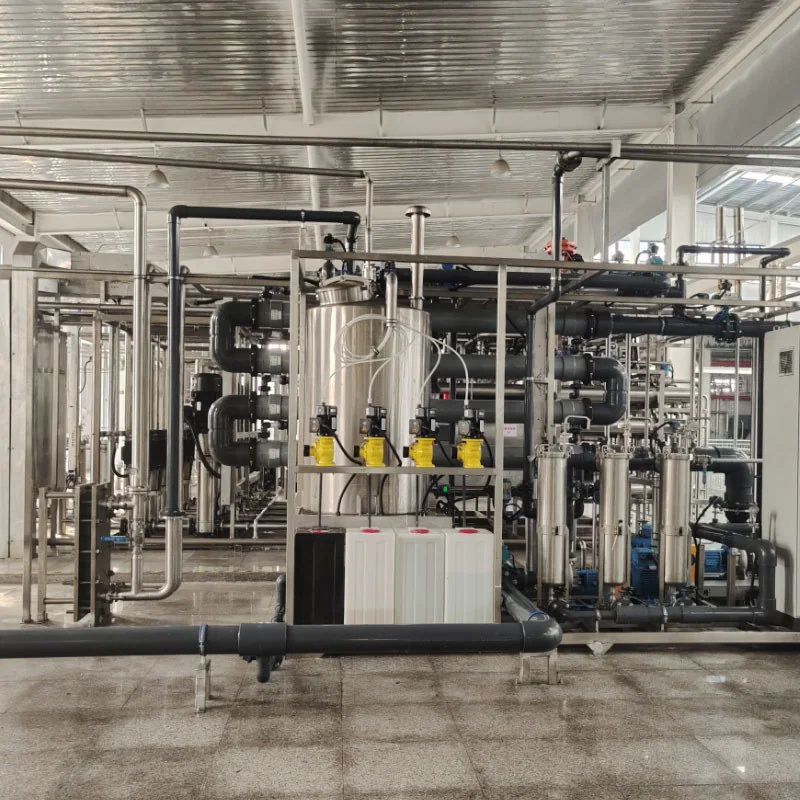
Process Fluid Membrane Separation
120 m³/h Fructose Liquor Tubular Membrane Clarification
This 120 m³/h project processes fructose liquor. Tubular membranes separate suspended solids and macromolecular impurities from fructose liquor, providing clarified feed for downstream sugar refining.
This reference is for comparison; a new duty requires its own engineering validation.
View case details →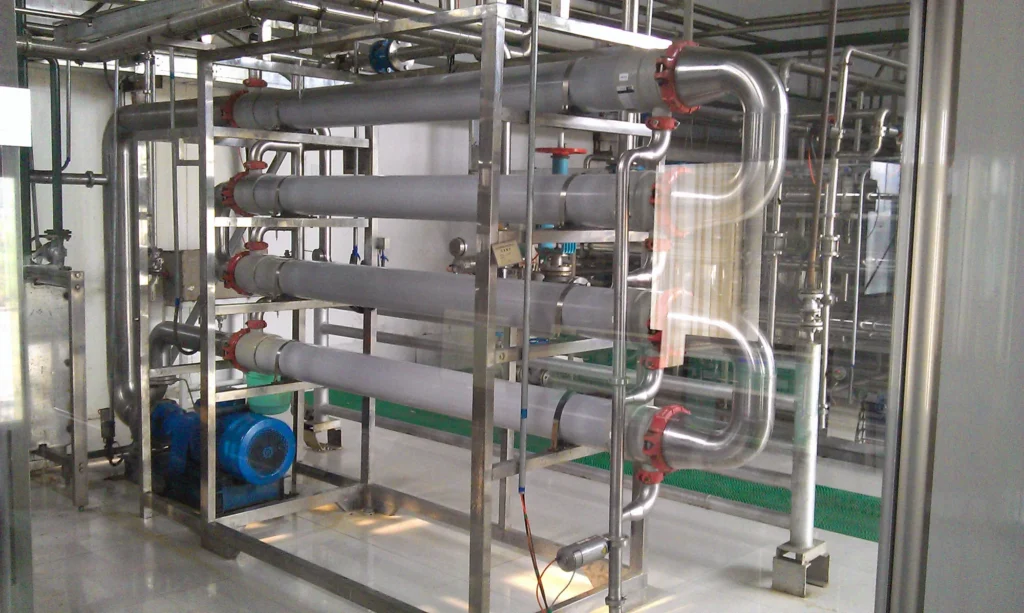
Process Fluid Membrane Separation
20 m³/h L-Arabinose Broth Tubular Membrane Clarification
This 20 m³/h project processes L-arabinose fermentation broth. Tubular membranes separate cells, proteins, impurities and part of the color bodies, providing pretreatment before downstream chromatographic separation and refining of L-arabinose.
This reference is for comparison; a new duty requires its own engineering validation.
View case details →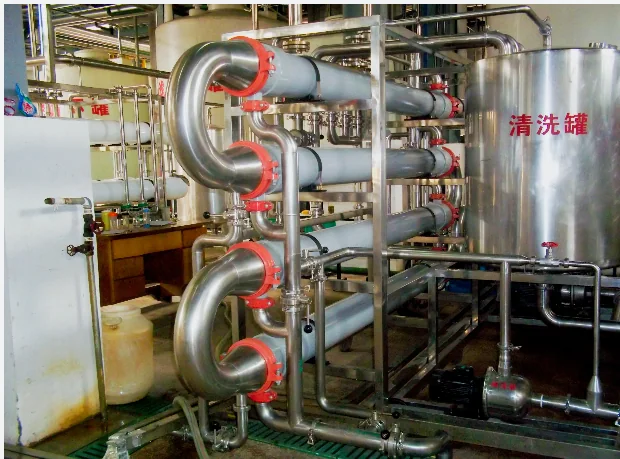
Process Fluid Membrane Separation
3 m³/h Jujube and Pomegranate Wine Membrane Clarification
This 3 m³/h project processes jujube wine and pomegranate wine. Ultrafiltration separates suspended impurities from jujube and pomegranate wines to provide clarified liquor.
This reference is for comparison; a new duty requires its own engineering validation.
View case details →PROJECT CONTEXT