PROCESS FLUID MEMBRANE SEPARATION
Process Fluid Membrane Separation: From Sample Validation to Engineering Scale-Up
For fermentation broths, functional sugars, lactic acid, botanical extracts, juices, condiments, and biopharmaceutical process streams, Plum develops membrane routes around clarification, purification, fractionation, concentration, and recovery objectives.
Some earlier materials called this business “special material separation.” It concerns product-bearing process streams, not industrial wastewater treated for discharge.
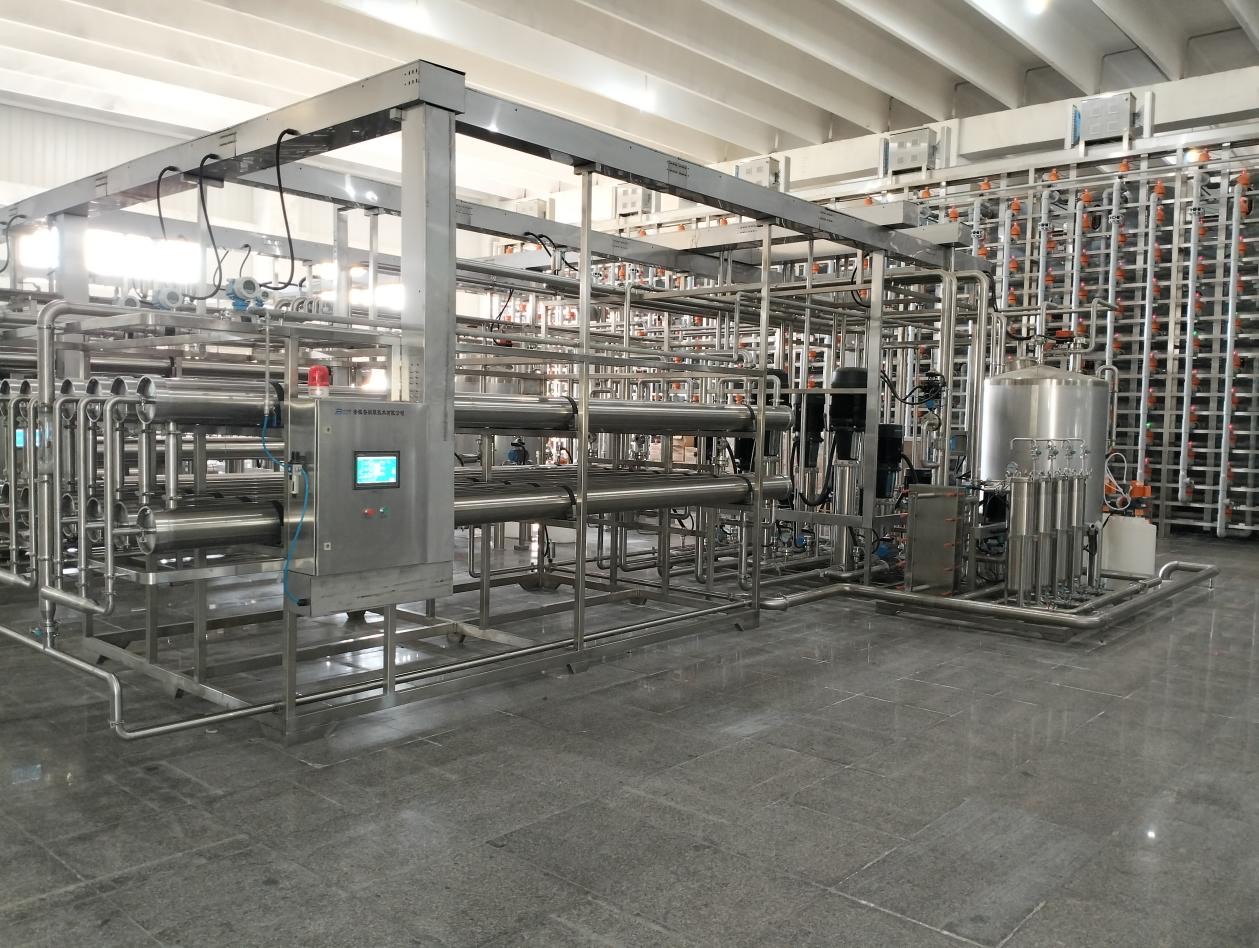
- 01Define the product objectiveWhat to retain and what to remove
- 02Define the separation dutyClarification, purification, fractionation, or concentration
- 03Sample testingScreen membrane type and an initial operating window
- 04Pilot validationValidate continuous operation and cleaning recovery
- 05Engineering scale-upDefine membrane-stage design inputs and interfaces
START WITH PRODUCT VALUE
Define the product objective before selecting a membrane type
Process-fluid projects begin with the target component, impurity profile, product quality, yield priorities, downstream process, and cleaning boundaries. Membranes may serve one or more separation stages, but do not automatically replace every conventional purification step.
Three core questions for a process stream
What must be retained? What must be removed? Where does the product go next?
- Target components
- Sugars, organic acids, active compounds, flavor components, or other valuable products
- Key impurities
- Cells, particles, colloids, proteins, color bodies, salts, or small-molecule by-products
- Downstream interfaces
- Resins, chromatography, evaporation, crystallization, drying, fermentation, or filling
Clarification
Separate cells, particles, colloids, and macromolecular impurities to establish stable feed for downstream purification.
Assess first: solids, particle size, viscosity, temperature, and fouling behaviorPurification & fractionation
Evaluate decolorization, desalting, impurity control, or molecular fractionation according to composition and objectives.
Assess first: target components, retention relationships, salt chemistry, and quality specificationsConcentration & recovery
Where suitable, increase product concentration, recover valuable components, or reduce the load on thermal concentration.
Assess first: osmotic pressure, viscosity, concentration end point, and product stabilityDownstream protection
Control particles, fouling, and feed variability ahead of resin, NF, RO, evaporation, or crystallization stages.
Assess first: downstream limits, cleaning window, material loss, and interface responsibilitiesAPPLICATION FAMILIES
Six process-fluid families organized by separation duty
Application entries are organized by feed and product objective rather than by membrane terminology. Every project still requires independent confirmation of the raw material, quality target, existing process, and available sample.
01 · SUGARS & FUNCTIONAL CARBOHYDRATES
Functional sugars & starch sugars
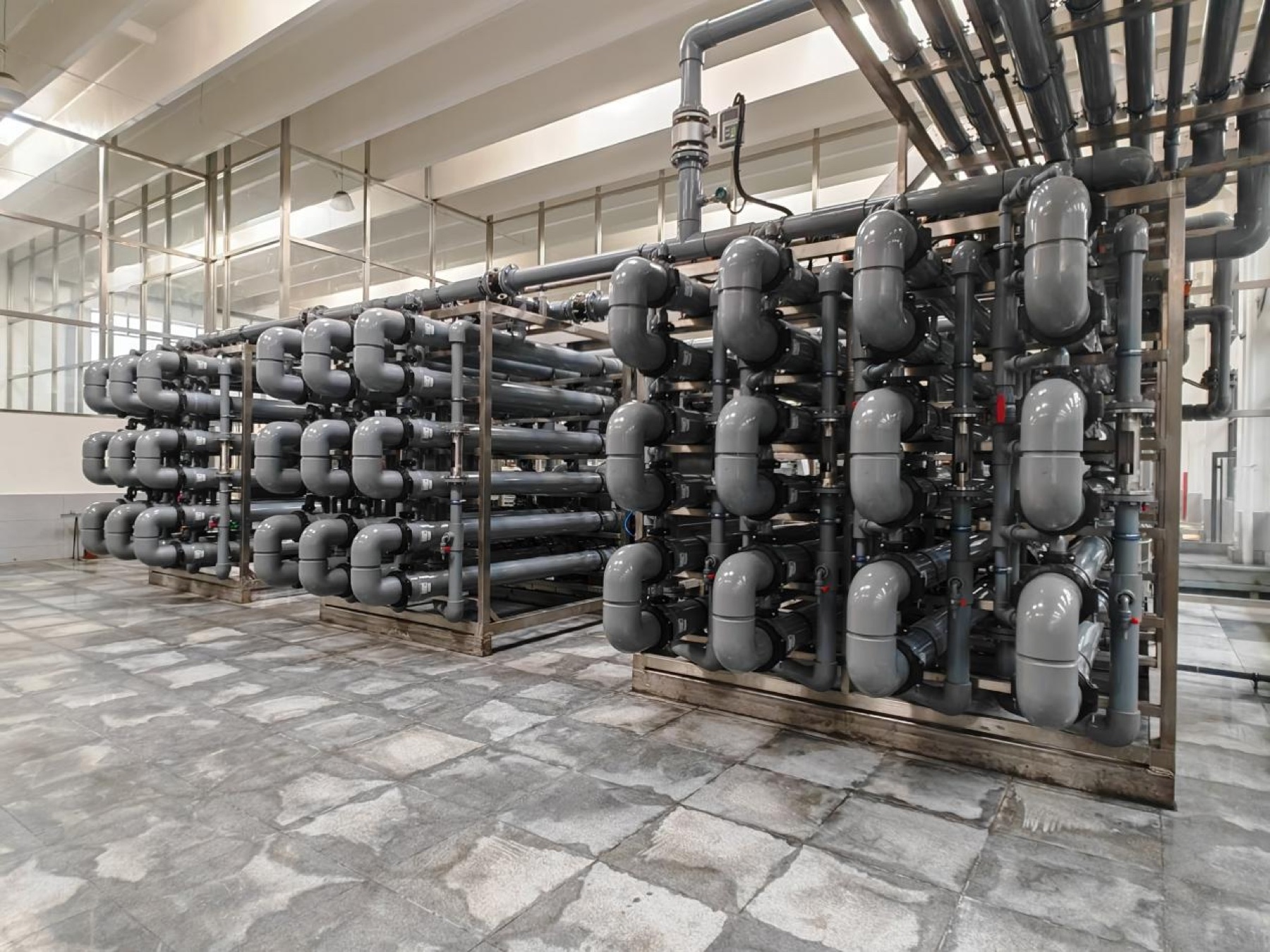
Assess clarification, purification, fractionation, and concentration interfaces around solids, proteins, colloids, color bodies, salts, monosaccharides, and other sugar-stream components.
- Typical streams
- Allulose, starch sugars, high-fructose corn syrup, and dilute sugar streams
- Separation objectives
- Clarification, impurity removal, fractionation, concentration and reuse, or protection of downstream crystallization
- Confirm first
- Sugar profile, Brix, viscosity, color, protein and colloids, salts, and product specification
02 · FERMENTATION & BIOMANUFACTURING
Fermentation broths & hydrolysates
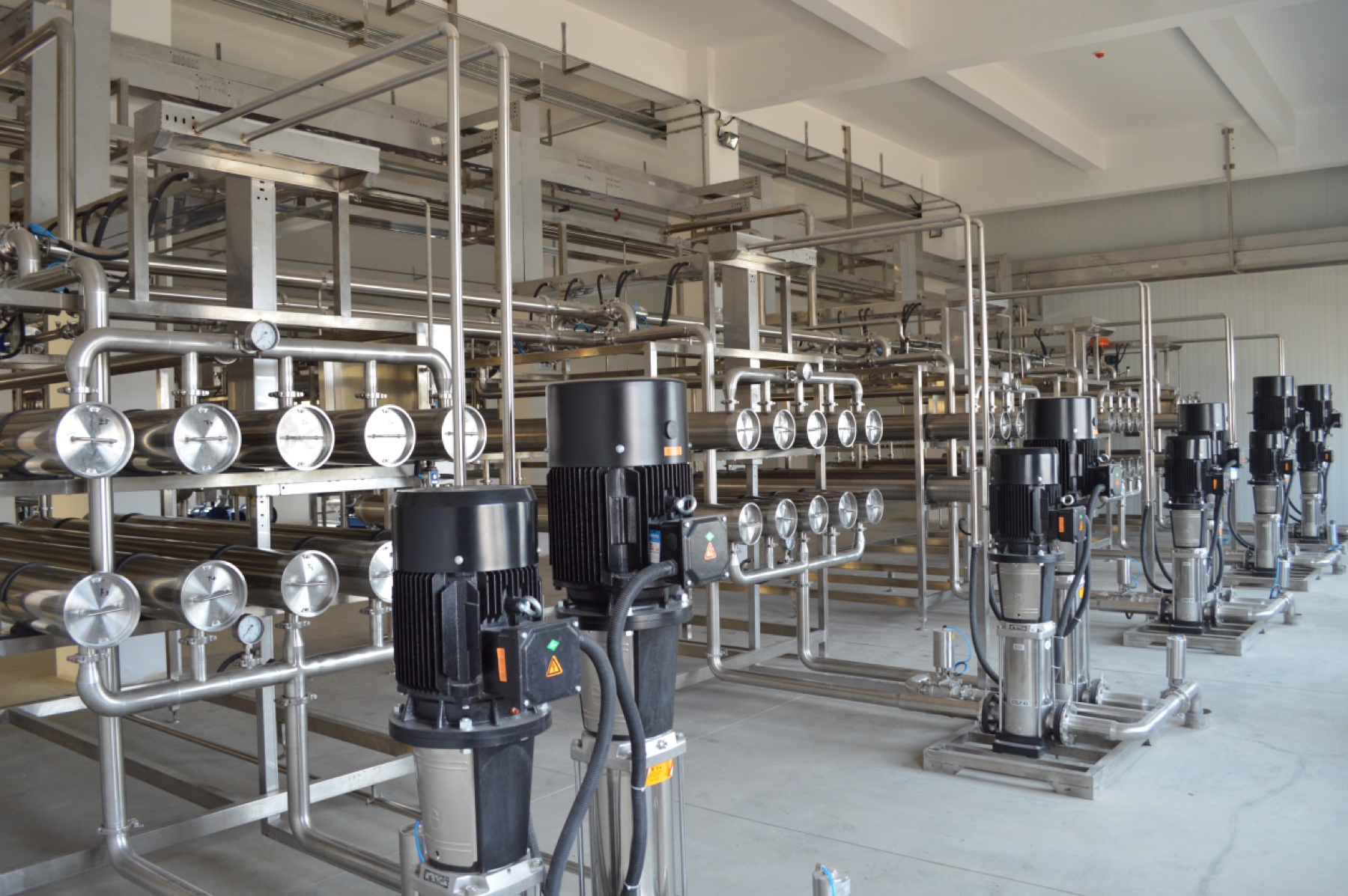
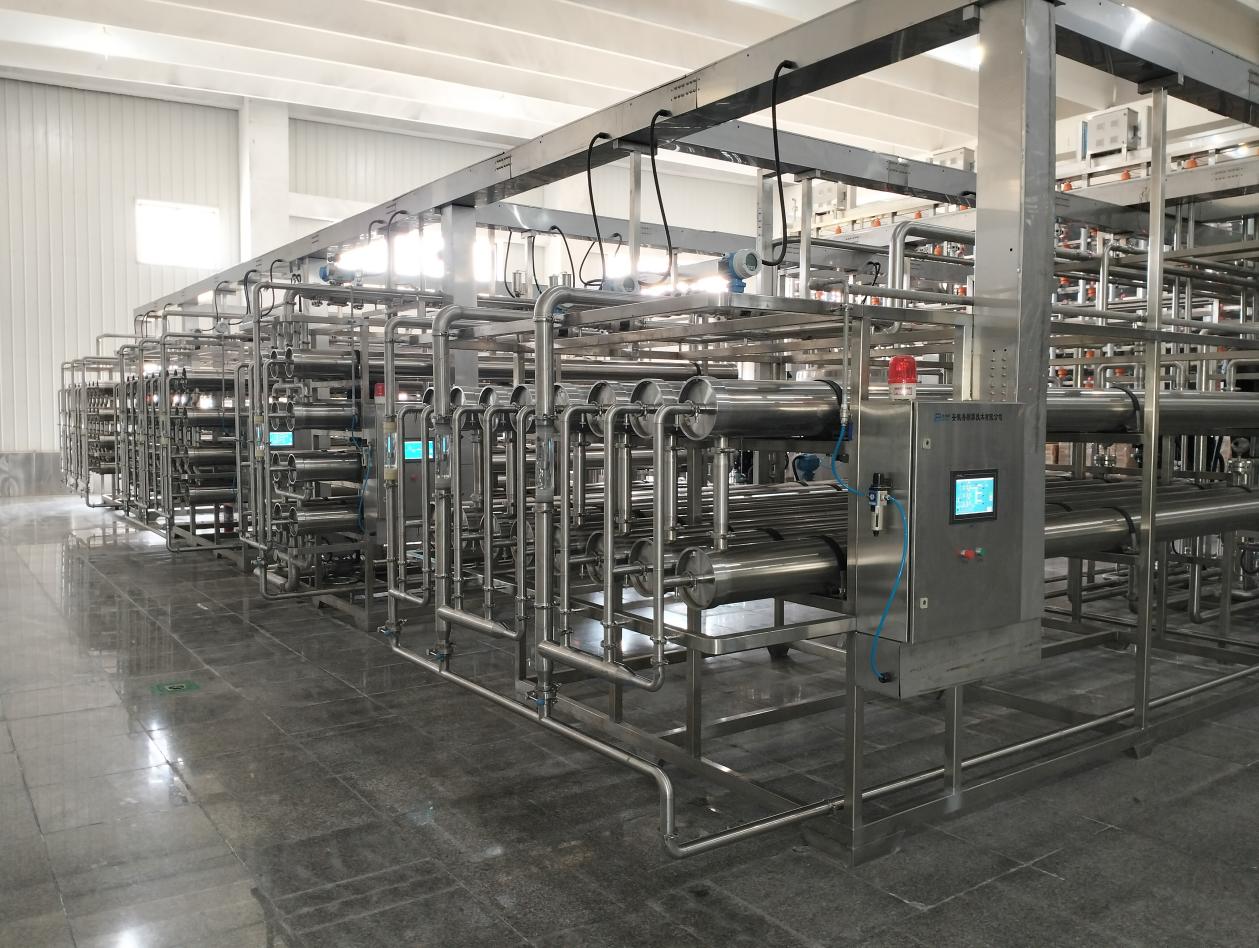
Tubular membranes can separate cells, solids, and selected macromolecular impurities to provide more stable feed for downstream decolorization, resin, NF, RO, or purification stages.
- Typical streams
- Biological fermentation broths, hydrolysates, and related biomanufacturing intermediates
- Separation objectives
- Cell and solids separation, clarification, impurity removal, and downstream purification protection
- Confirm first
- Cell morphology, solids, protein, viscosity, temperature, pH, heat sensitivity, and CIP conditions
03 · LACTIC ACID & ORGANIC ACIDS
Lactic acid & organic acids
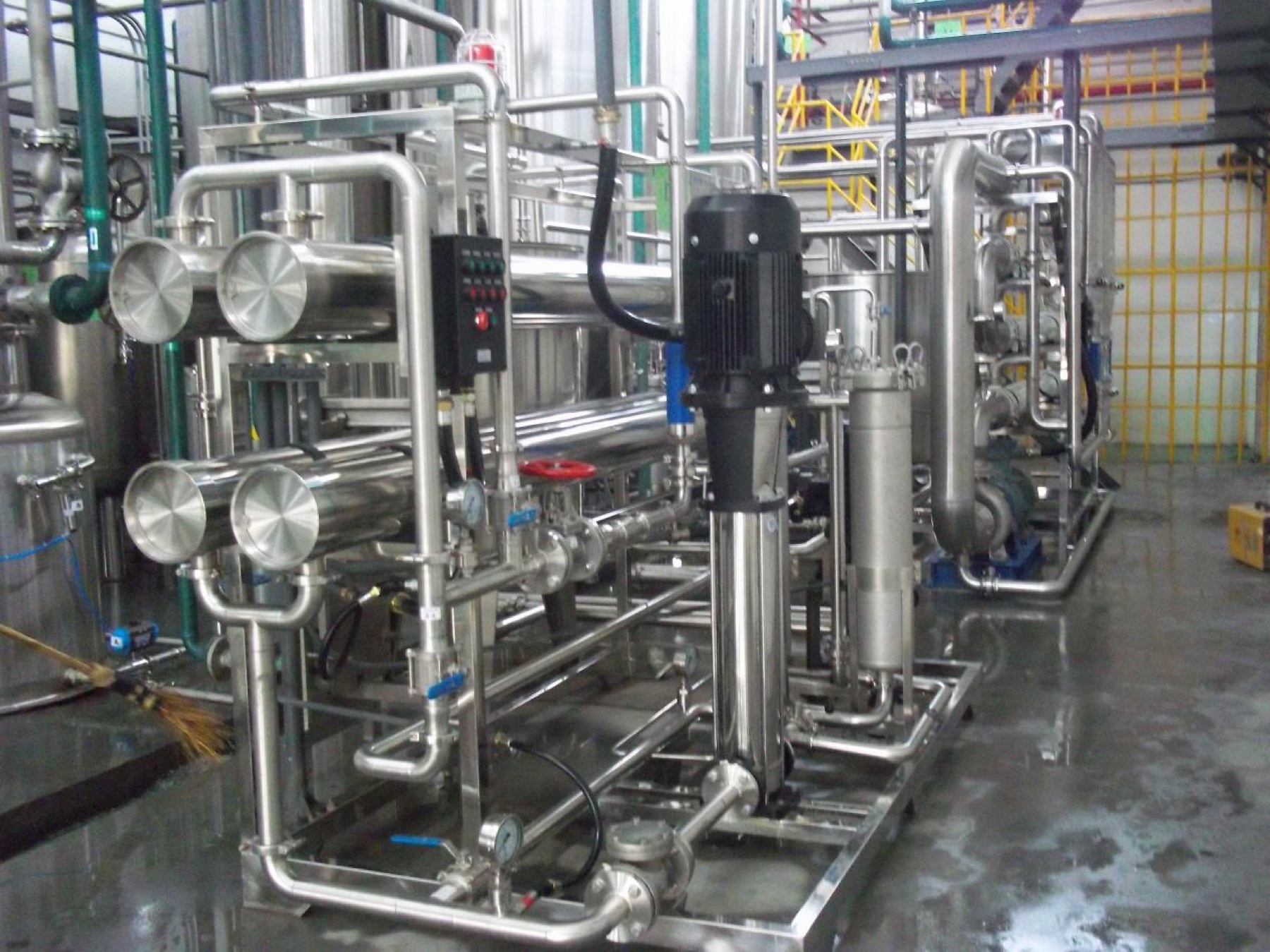
Assess NF decolorization and impurity removal, fractionation, and process-condensate recovery according to lactic acid concentration, residual sugars, color bodies, salts, and downstream concentration requirements.
- Typical streams
- L-lactic acid and other organic-acid process streams requiring mild purification
- Separation objectives
- Decolorization, impurity removal, target-component recovery, and stable feed to evaporation or crystallization
- Confirm first
- Acid concentration, residual sugars, color, salts, temperature, pH, recovery objective, and analytical method
04 · BOTANICAL EXTRACTS
Botanical extracts
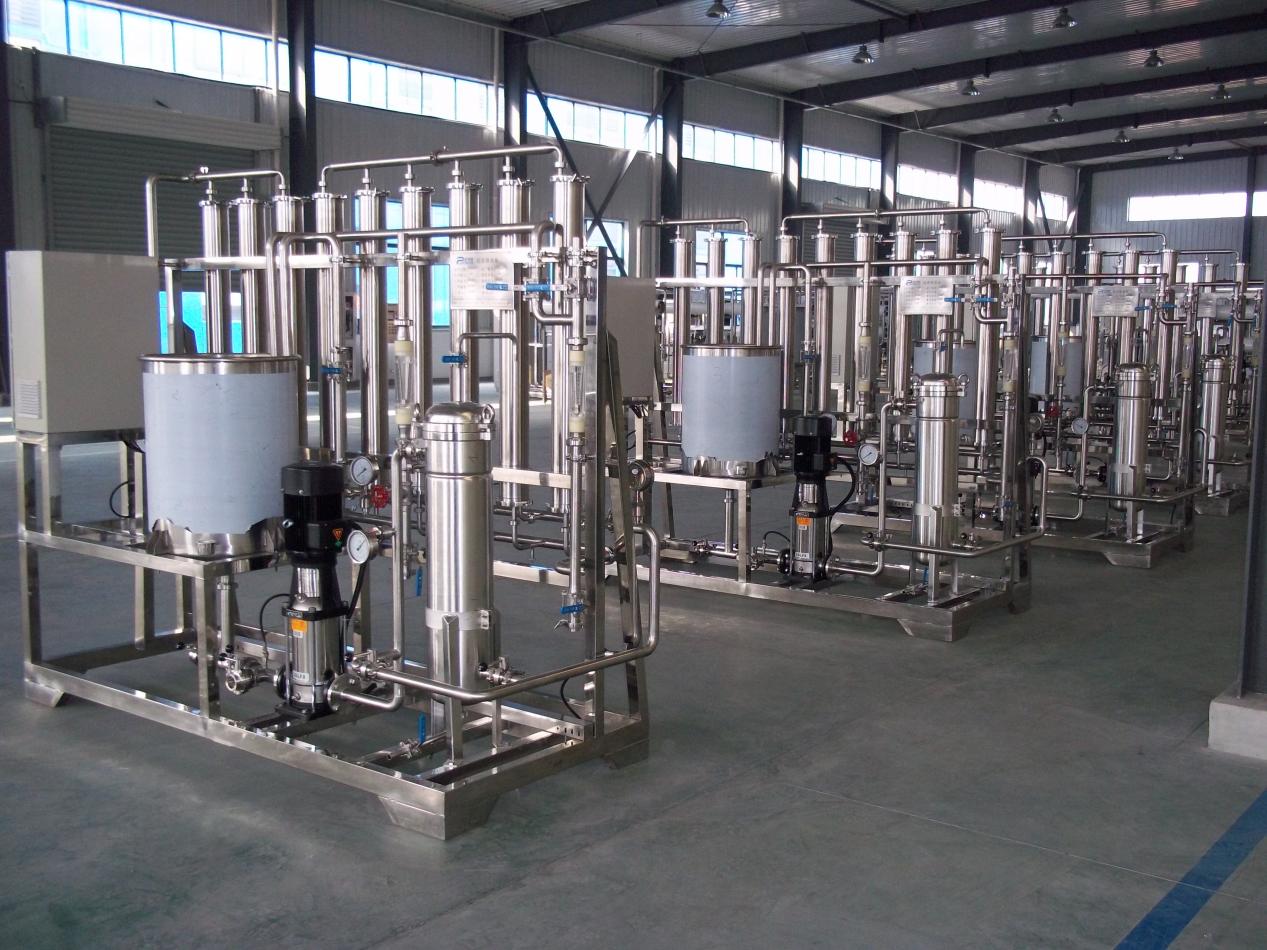
Starting from the target active components and impurity profile, assess extract clarification, impurity removal, fractionation, desalting, and concentration interfaces. This page makes no product-efficacy claims.
- Typical streams
- Botanical materials, food-and-medicine homologous materials, and natural-product extracts
- Separation objectives
- Suspended-solids and colloid removal, component fractionation, purification, and low-temperature concentration
- Confirm first
- Target components, molecular-weight distribution, solvent, color, temperature, viscosity, and product specification
05 · FOOD, JUICE & CONDIMENTS
Food, beverages & condiments
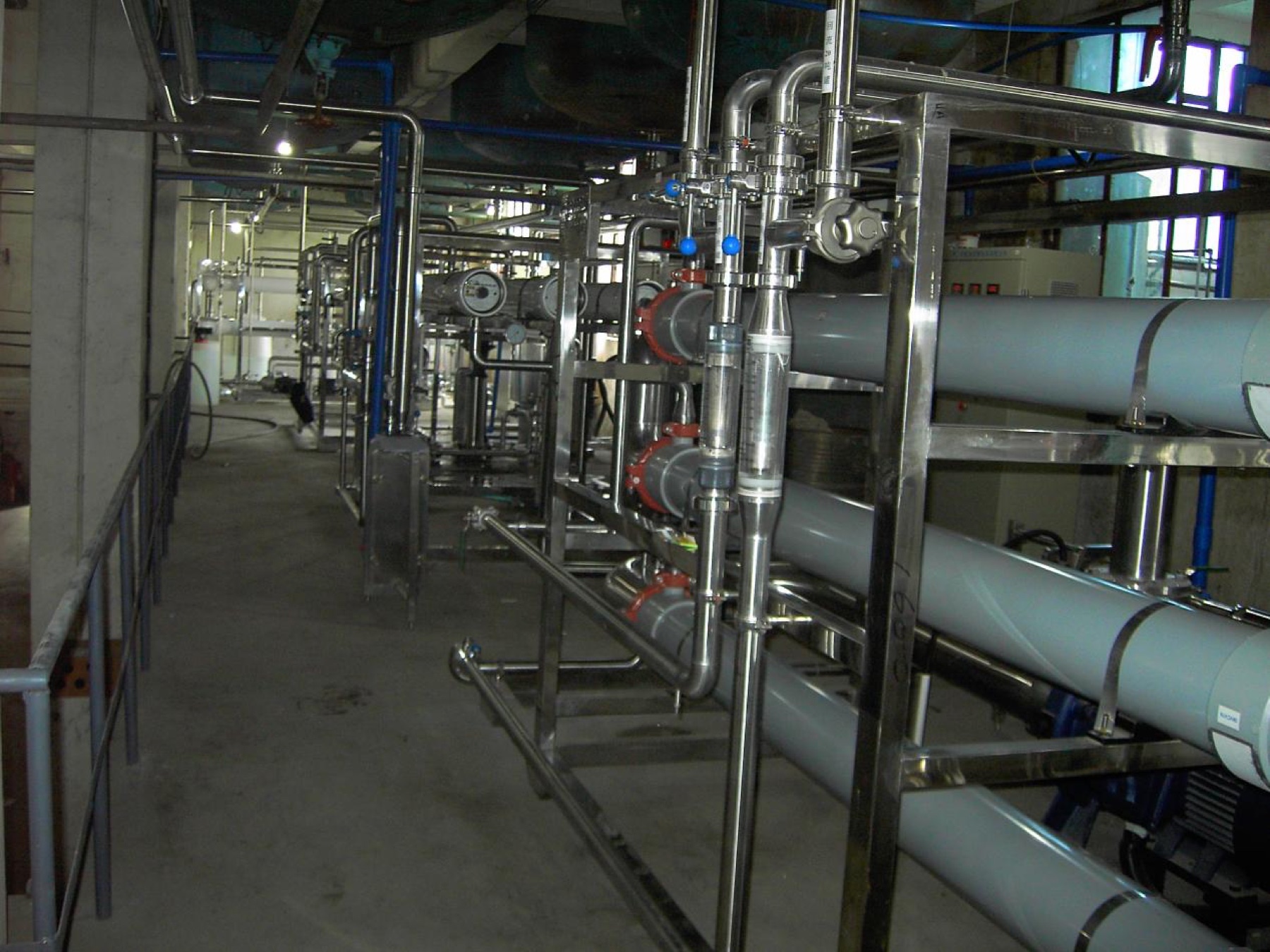
Develop clarification and downstream-processing interfaces for juice, fruit wine, soy sauce, vinegar, and related streams around pulp, pectin, colloids, fine particles, and microbial-control objectives.
- Typical streams
- Fruit and vegetable juices, fruit wine, soy sauce, vinegar, and related food process streams
- Separation objectives
- Clarification, particle and colloid control, product stability, and integration with downstream concentration or filling
- Confirm first
- Brix, pectin, viscosity, turbidity, temperature, flavor and color objectives, CIP, and food-contact requirements
06 · BIOPHARMA & HIGH-VALUE LIQUIDS
Biopharmaceutical & high-value process fluids
Support membrane clarification, fractionation, purification, or concentration for biochemical and biopharmaceutical process streams. Website content does not constitute assurance of efficacy, sterility, or regulatory compliance.
- Typical streams
- Nucleosides, fermentation-derived products, and other high-value biochemical process streams
- Separation objectives
- Clarification, impurity removal, fractionation, concentration, and load reduction for resin or polishing stages
- Confirm first
- Target molecule, impurities and heat sensitivity, solvents, safety, CIP/SIP, and regulatory responsibility boundaries
MODULAR SEPARATION PATH
Membrane stages are configured by separation duty, not as a fixed “all-membrane” template
Use of each stage depends on the target component, impurities, product specification, operating window, and downstream interfaces. Not every project requires all of the following stages.
- 01Feed pretreatmentScreening, equalization, temperature control, or required reaction and conditioning
- 02Tubular membrane clarificationSolids separation for cells, particles, colloids, and high-solids process streams
- 03UF fractionationAssess macromolecular-impurity control by molecular weight and component relationships
- 04NF purification / desaltingUse retention curves to assess decolorization, impurity removal, desalting, or component separation
- 05RO concentrationReduce downstream thermal load where osmotic pressure and product stability permit
- 06Downstream purificationInterfaces to resins, chromatography, evaporation, crystallization, drying, or filling
“Microbial removal” on this page means only the cell or microorganism-control duty defined for a project. It does not automatically mean a sterile product, aseptic filling, or validated sterilizing-grade filtration.
SAMPLE TESTING & PILOT VALIDATION
Establish boundaries with the actual process fluid before engineering scale-up
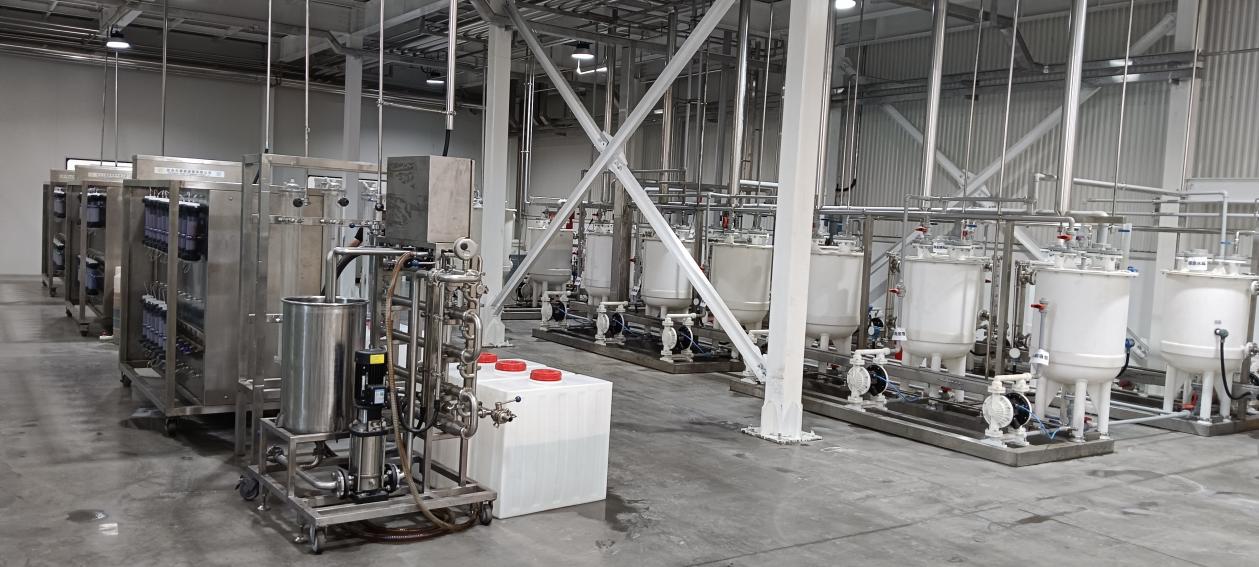
When composition, product quality, fouling, or cleaning behavior cannot be determined from documents alone, sample testing and continuous pilot validation provide the core evidence for route selection.
- 01Preliminary data review
Review process-fluid composition, target product, SDS, existing process, and analytical methods.
- 02Membrane screening
Compare membrane materials, separation grades, and retention or permeation relationships for target components.
- 03Bench testing
Observe flux, product quality, fouling behavior, and cleaning recovery.
- 04Continuous pilot validation
Validate stability under circulation, controls, and operating periods closer to full-scale conditions.
- 05Engineering scale-up
Develop membrane-area, process, cleaning, material-balance, and interface design inputs.
Distribution and analytical results for target components and key impurities under the agreed conditions.
Test boundaries for flux, pressure, temperature, concentration factor, and related variables.
Fouling trends, cleaning-agent compatibility, and recovery performance.
Basis for continuous operation, material balances, membrane-stage combinations, and upstream or downstream interfaces.
ENGINEERING & RESPONSIBILITY BOUNDARY
Confirm the membrane section within the complete production process
Plum can support testing, design, system integration, and commissioning around the membrane section. Product formulation, regulatory responsibility, and non-membrane purification units must be confirmed project by project.
PLUM can support
- Preliminary analysis of process-fluid data, target product, and separation duty
- Screening of membrane materials, membrane types, separation grades, and combined routes
- Sample testing, continuous pilot validation, and engineering scale-up recommendations
- Integration of membrane stages, circulation, CIP, instrumentation, and controls
- Membrane-system commissioning, training, and operating support
Confirm separately by project
- Raw-material pretreatment, fermentation, reaction, and non-membrane purification boundaries
- Resins, chromatography, evaporation, crystallization, drying, and aseptic systems
- Product formulation, sensory targets, food-contact requirements, and regulatory-compliance responsibility
- Building, utilities, site piping, and plant-wide automation interfaces
- Product yield, purity, energy use, membrane life, and final guarantee conditions
PROJECT EVIDENCE
Use actual process fluids and comparable membrane stages for preliminary screening
Only confirmed public facts and application directions are shown. Customer names remain anonymous, and existing project data do not automatically become design values or product-quality guarantees for a new project.
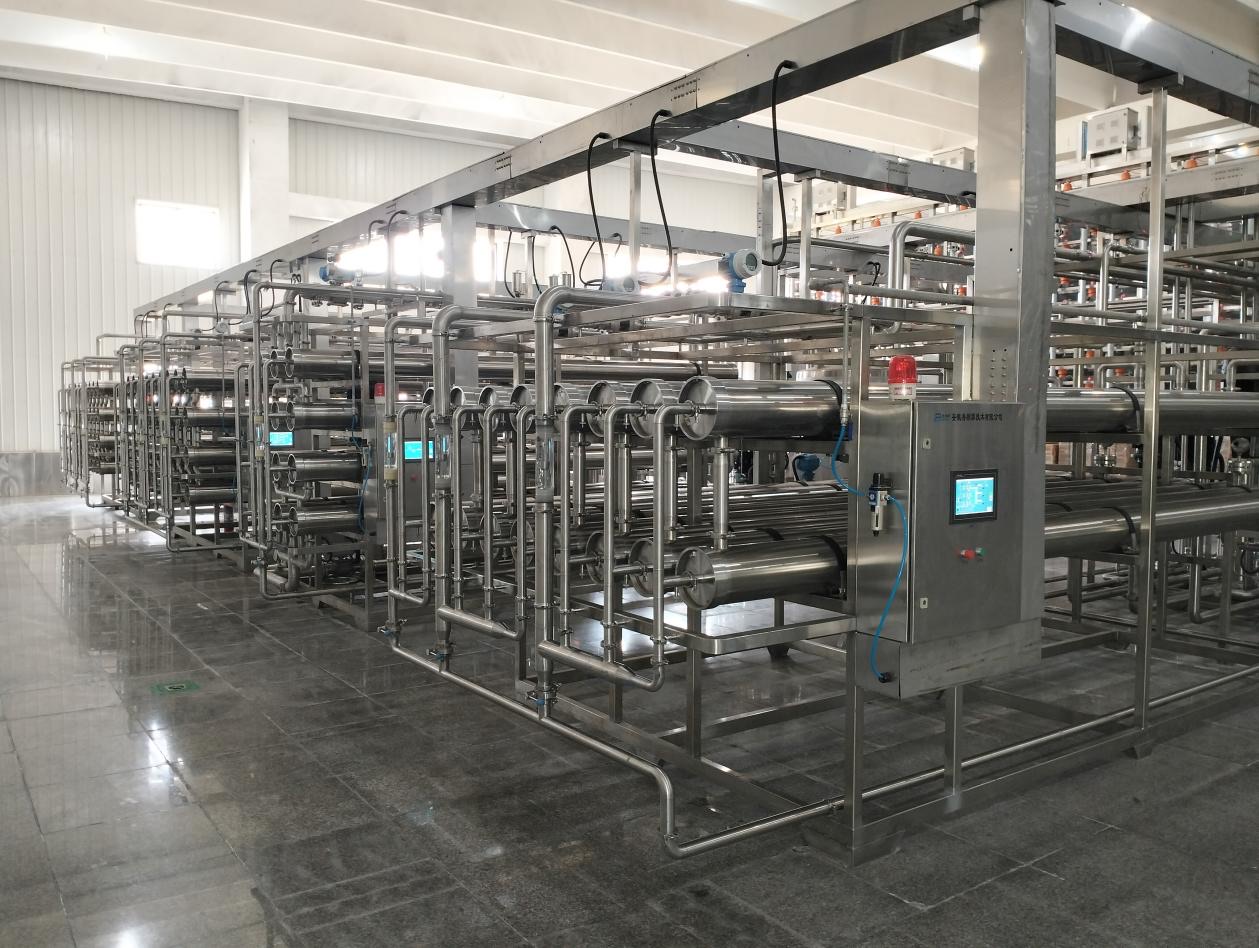
Published production-line record
20 m³/h lactic-acid NF purification system
Associated with a 50,000 t/a production-line record Demonstrates experience in NF purification and scale-up for lactic-acid process streams. It is not a recovery, purity, or cost commitment for another project.
Juice clarification
Real juice-process-fluid clarification application
New fruits, formulations, and product objectives still require sample testing.
Fermentation & functional sugars
Continuous membrane clarification integrated with downstream purification
Historical capacities and performance data remain unpublished until evidence approval is complete.Formal projects require independent assessment by process-fluid batch, analytical method, product specification, operating temperature, cleaning conditions, and continuous operating period.
RESOURCES
Prepare sample-testing and project-evaluation information
Validation capabilitySample-testing and pilot-validation guide
Project preparationProject evaluation worksheet
ENGINEERING FAQ
Process fluid membrane separation frequently asked questions
How does process fluid membrane separation differ from industrial wastewater treatment?
Process-fluid projects first consider the target components to retain, impurities to remove, product quality, material loss, and downstream processing. Industrial wastewater projects focus more on discharge, reuse, minimization, and contaminant destinations. The same evaluation criteria cannot be applied to both.
Should the route use tubular membranes, UF, NF, or RO?
Assess each stage from particles and colloids, target-component molecular weight, impurity profile, salt chemistry, osmotic pressure, viscosity, temperature, and cleaning conditions. The route may use only one stage or combine it with resins, chromatography, evaporation, or crystallization.
Which projects should begin with sample or pilot testing?
Bench testing should generally come first for new raw materials, new formulations, high-value products, variable feeds, sensitive target components, uncertain fouling or cleaning behavior, or when comparable continuous-run data are unavailable. Pilot validation follows when continuous stability and engineering design inputs are required.
How much sample is required, and how long does testing take?
Sample quantity and schedule depend on membrane type, recirculation volume, analytical scope, concentration requirements, continuous run time, and sample-safety conditions. Plum confirms these after preliminary data review rather than making a universal commitment on this overview page.
Can bench and pilot data be used directly as full-scale project guarantees?
No. Test results are valid only for the corresponding sample, equipment, analytical method, and operating conditions. Engineering guarantees also require continuous pilot data, scale-up factors, design boundaries, and an approved technical agreement.
Does “microbial removal” mean sterile assurance?
No. On this page, microbial removal generally means a cell or microorganism-control duty. Sterile product, sterilizing-grade filtration, SIP, aseptic filling, and regulatory compliance require separate design, validation, and responsibility boundaries.
What information is required for preliminary assessment?
Provide the process-fluid source and composition, target components, key impurities, batch size or flow, temperature, pH, viscosity or Brix, solids, existing process, product-quality target, CIP conditions, available sample quantity, analysis reports, SDS, product specifications, and process diagrams.
REQUEST SAMPLE TESTING
Submit the process fluid and product objectives for sample testing and pilot validation
Provide the target components, key impurities, existing process, product-quality requirements, and sample availability. Plum will review the information before confirming test scope, sample quantity, safety conditions, and next steps.
Submitted information is used only for preliminary project assessment and does not constitute a commitment on test scheduling, product quality, engineering performance, regulatory compliance, or supply scope.