
BIOPHARMA & HIGH-VALUE PROCESS LIQUIDS
Membrane Separation & Pilot Validation for Biopharmaceutical and High-Value Process Streams
For nucleotide, fermentation-derived, iron-dextran, and other high-value biochemical process streams, define membrane clarification, fractionation, purification, concentration, and engineering scale-up from the target molecule, impurity profile, and quality-analysis methods.
This page supports preliminary membrane-route screening. Real samples, analytical methods, and continuous validation must define membrane selection, stream identity, product-quality boundaries, and engineering capability. The page does not constitute product release, regulatory compliance, or sterility assurance.
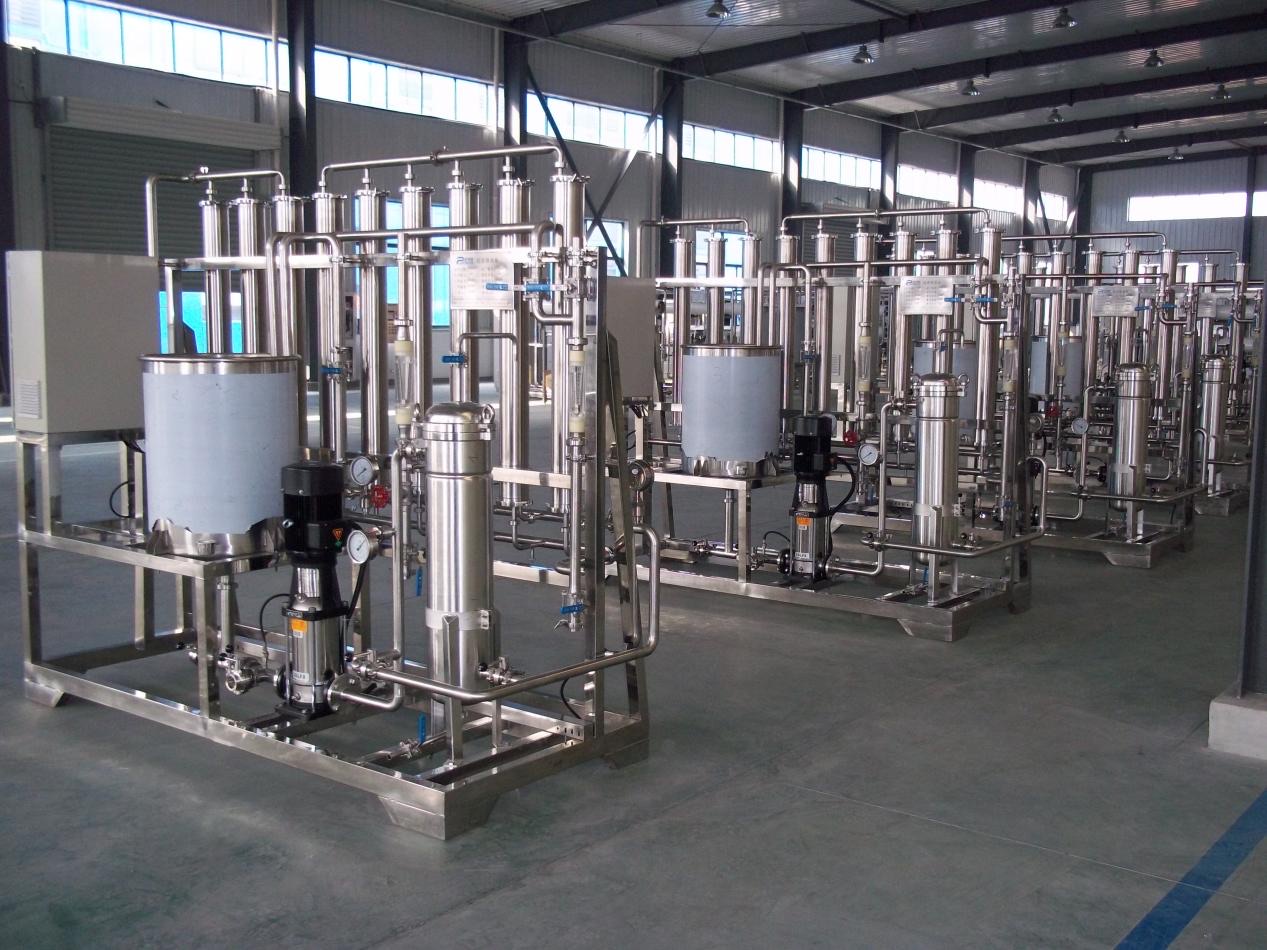
Confirm the component to retain, allowable-loss boundaries, and the corresponding analytical method.
Define which stream receives particles, microbial cells, macromolecules, ions, and other impurities.
Use samples and continuous pilot validation to establish mass balance, cleaning recovery, and engineering-design inputs.
DEFINE THE PROCESS LIQUID
Distinguish the process-stream source before defining each membrane duty
A biopharmaceutical process stream is not a fixed feed condition. Molecular scale, impurity profile, batch process, analytical methods, and downstream operations change membrane material, separation grade, and stream destinations.
Nucleotide and small-molecule fermentation or extraction streams
Review microbial cells and solids, residual macromolecules, salts and ions, target-component stability, and downstream resin, NF, crystallization, or drying requirements.
Enzyme, protein, polysaccharide & other macromolecular streams
Assess target-molecular-weight distribution, aggregates and colloids, temperature sensitivity, shear and concentration-polarization risks, and fractionation and concentration objectives.
Clarification
Separate microbial cells, particles, suspended solids, and colloids where required to provide stable clarified feed for downstream refining.
Macromolecular fractionation
Use a suitable UF section to determine retention and passage relationships between the target molecule and macromolecular impurities.
Purification & impurity control
Use NF, where testing confirms fit, to control specific impurities, ions, or component distribution.
Concentration & downstream preparation
Use NF or RO where required for volume reduction and integration with resin, chromatography, crystallization, drying, or another operation.
Route boundary:Membranes may perform one or more production-separation duties, but they do not automatically cover upstream fermentation or formulation, every refining operation, sterile processing, product specifications, or regulatory responsibility.
RISK & QUALITY SCREENING
Six inputs must enter membrane and validation assessment first
Historical project conditions are not copied to a new feed. Preliminary assessment reviews product objectives, impurities, physical properties, quality methods, and cleaning interfaces together.
Target molecule & analytical method
Molecular weight, concentration, activity or quality attributes, and methods that can evaluate each stream.
Impurity profile & biological origin
Microbial cells, particles, proteins, polysaccharides, colloids, aggregates, color bodies, salts, and process residues.
Molecular scale & separation grade
Define the candidate range for MF, UF, NF, or RO, then confirm retention and passage relationships through screening.
Temperature & physical-property window
pH, temperature, viscosity, osmotic pressure, solids, solvents or additives, and target-component stability.
Quality & microbiological boundaries
Analytical methods, objectives, and responsibility interfaces for bioburden, endotoxins, or other quality attributes require separate definition.
Materials, CIP & safety
Product-contact materials, cleaning agents, CIP/SIP conditions, batch changeover, containment, and utility requirements.
MODULAR SEPARATION ROUTE
Organize separation with modular membrane sections, not a fixed production flowsheet
The sequence below is an engineering-assessment path; it does not mean every project requires all six sections. Sample testing and mass balance determine membrane material, pore size or MWCO, stream recycle, and downstream interfaces.
- 01Pretreatment & condition control
Screening, equalization, temperature adjustment, or other project-defined pretreatment protects the target component and stabilizes membrane feed.
- 02Tubular MF / UF clarification
Separate microbial cells, reaction solids, particles, and colloids where required, establishing the relationship between clarified liquid and retentate.
- 03UF fractionation
Screen candidate membranes from the size relationship between the target molecule and macromolecular impurities.
- 04NF purification where required
Use testing to determine retention or passage paths for target components, ions, and other impurities.
- 05NF / RO concentration
Provide volume reduction or downstream-feed preparation where physical properties and product stability permit.
- 06Refining & quality interfaces
Connect resin, chromatography, crystallization, drying, or sterile operations while defining each party’s design and validation responsibility.
Membrane-section duty:A membrane system can perform only validated physical-separation duties. Actual feed testing must determine whether the target component is in the permeate or retentate, whether multiple membrane stages are required, and whether membranes combine with conventional refining operations.
QUALITY & VALIDATION GATES
Pass four quality and responsibility gates before equipment selection
Biopharmaceutical and high-value process-stream projects cannot be judged by flux alone. Analytical methods, stream identity, microbiological boundaries, and the cleaning system must enter one validation logic.
Product specifications & analytical methods are executable
Confirm analytical methods for target components, critical impurities, and each stream so that separation can be evaluated rather than described only by equipment parameters.
Target & impurity destinations are explainable
Use test data and mass balance to identify target-enriched, impurity, and recovery streams; do not assign the product outlet from a membrane name.
Microbiological & quality boundaries are defined
Microbial-cell control, bioburden, endotoxins, and downstream sterile processing are different duties requiring defined testing, validation, and responsibility.
Materials & cleaning system are reviewed
Confirm product-contact materials, CIP/SIP conditions, batch changeover, traceability records, and downstream quality interfaces.
Analytical results and mass balance define stream identity
Permeate, retentate, and cleaning side streams are not fixed as product or waste. Every stream requires verifiable composition, destination, and responsibility interfaces.
It may be permeate or retentate; confirm the target component, impurities, and downstream receiving conditions.
Assess recoverable components, process return, further treatment, or handling routes rather than defining the retentate as waste by default.
Include these streams in the complete mass balance and batch-changeover plan, with recovery, discharge, and cross-contamination-control requirements confirmed.
SAMPLE TESTING & PILOT VALIDATION
Begin with analytical methods and convert sample results into engineering inputs
Bench testing screens membranes and establishes component relationships. Continuous pilot validation examines batch variation, fouling, cleaning recovery, mass balance, and downstream interfaces. The two stages are not interchangeable.
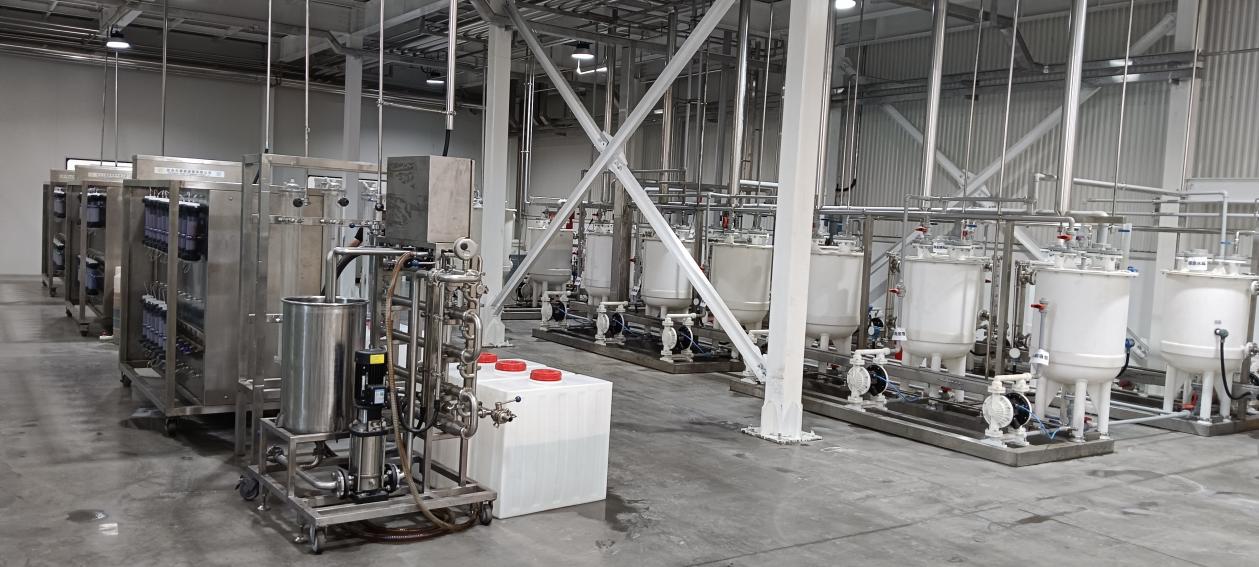
- 01Information review
Review feed source, target components, analytical methods, current process, quality requirements, and sample conditions.
- 02Sample analysis & method confirmation
Establish tests, sampling methods, and decision logic that can compare candidate streams.
- 03Membrane & material screening
Compare candidate membrane materials, separation grades, stream relationships, and initial fouling behavior.
- 04Bench-scale mass balance
Record destinations and quality changes for target components, critical impurities, wash streams, and retentate side streams.
- 05Continuous pilot validation & cleaning recovery
Observe the operating window, batch variation, fouling trends, CIP recovery, and downstream-interface stability.
- 06Engineering scale-up recommendations
Develop design inputs for membrane-section capacity, process control, mass balance, CIP, and interface conditions.
Analytical results and mass balance for target components, critical impurities, and each side stream.
Validated ranges for candidate membranes, temperature, pressure, concentration boundaries, and process control.
Fouling trends, CIP steps, recovery behavior, and boundaries requiring attention during batch changeover.
Recommendations for membrane-section capacity, instrumentation and controls, materials, utilities, and downstream interfaces.
DESIGN INPUTS
Preliminary assessment must connect product, feed, quality & engineering conditions
The closer the information is to real production conditions, the easier it is to decide whether testing is justified, which analyses are required, and which membrane section is most likely to perform a useful duty.
- Feed source & process position
- Fermentation, extraction, reaction, washing, or an existing refining section, with batch or continuous production mode.
- Target molecule & analytical method
- Target component, molecular weight or distribution, concentration, and currently executable analytical methods.
- Impurity profile & biological-source components
- Microbial cells, particles, proteins, polysaccharides, colloids, aggregates, salts, color bodies, and process residues.
- Physical properties & stability window
- pH, temperature, viscosity, solids, osmotic pressure, solvents or additives, and target-component sensitivity conditions.
- Capacity & production cadence
- Hourly flow, batch volume, batch cycle, peak variation, cleaning changeover, and available operating time.
- Current process & downstream interfaces
- Feed requirements for centrifugation, filtration, resin, chromatography, evaporation, crystallization, drying, or sterile processing.
- Quality, materials & CIP/SIP
- Product specifications, relevant quality attributes, wetted materials, cleaning agents, cleaning temperature, and validation responsibility.
- Samples & attachments
- Available sample volume, storage and transport conditions, SDS, analytical reports, process diagrams, and existing test records.
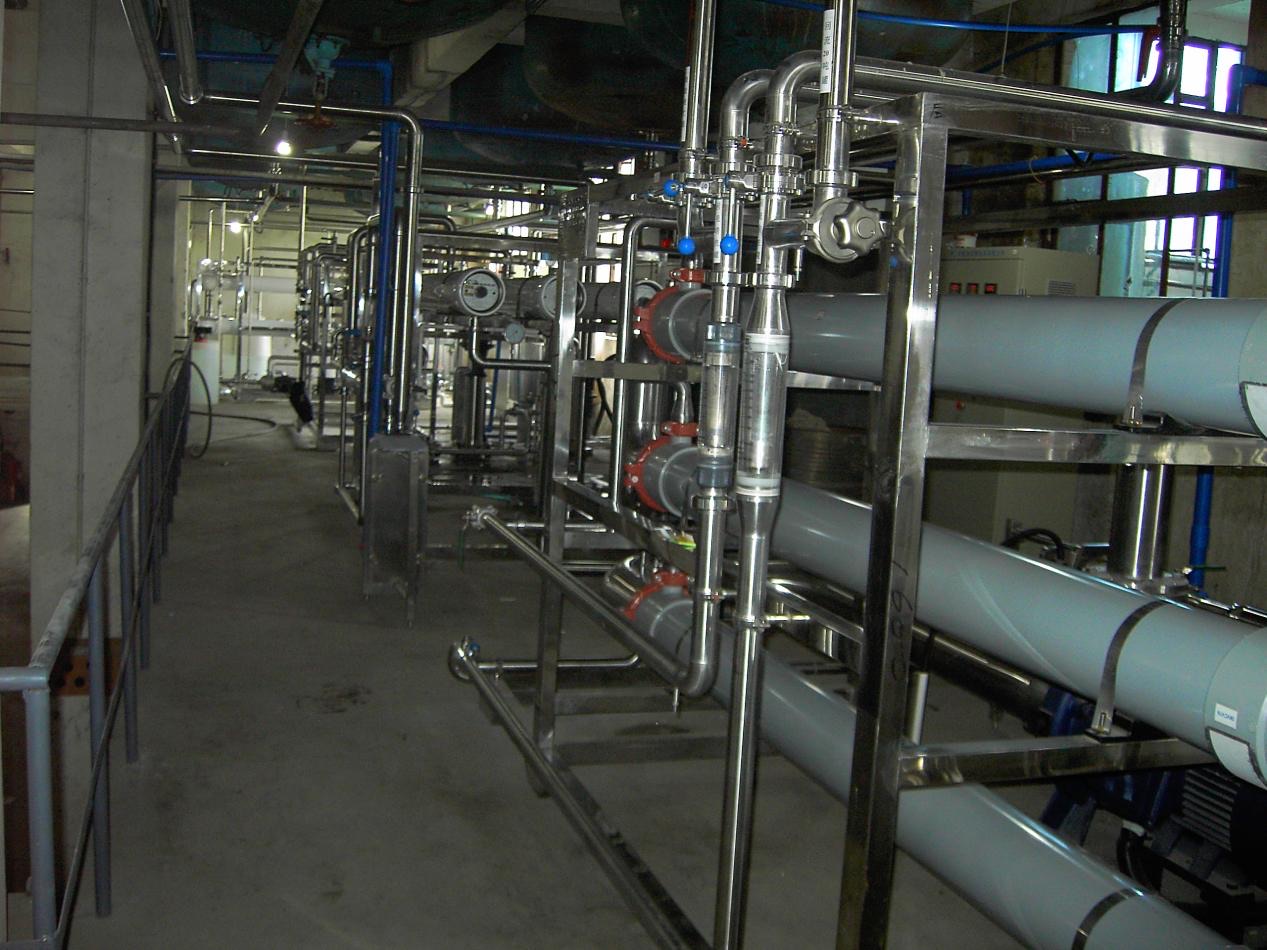
Data boundary:Historical project capacity, a single test result, and a new-project guarantee are different evidence levels. New-project parameters require separate confirmation through sample validation, the technical agreement, and responsibility interfaces.
PROJECT EVIDENCE
Three membrane-section records for high-value process streams
Only anonymous capacity, feed type, and related membrane sections are published to document route experience. Client, year, quality results, and new-project commitments are not disclosed.
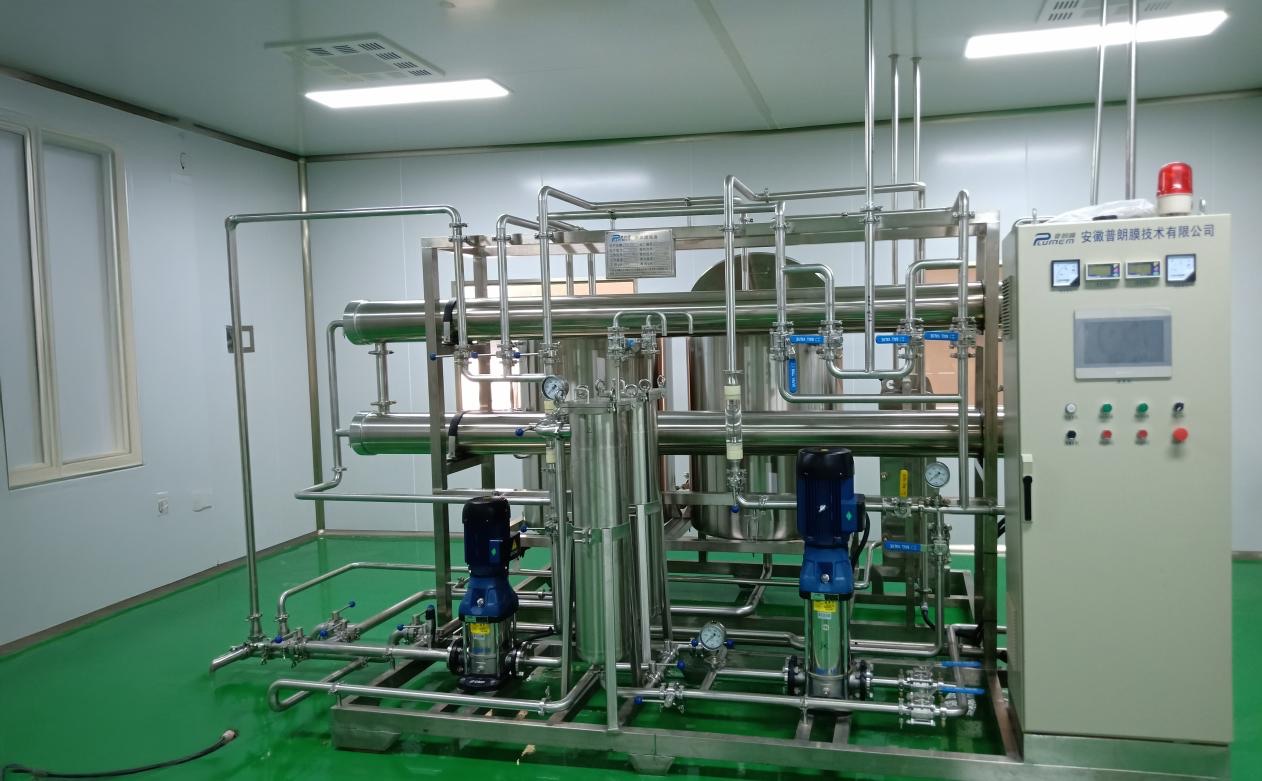
Nucleotide fermentation-extraction stream
The project record includes tubular UF and NF sections. Specific component destinations and operating conditions are not design values for a new project.
ABA fermentation broth
The project record includes tubular MF, UF, and RO sections. Each duty must be understood from the original feed and project objectives.
Iron-dextran process stream
The project record includes NF purification and concentration sections. Product quality, yield, and regulatory boundaries are not published on this page.
ENGINEERING BOUNDARY
Separate membrane-section capability from product-quality responsibility
Plum can provide validation and engineering support around the membrane section. Project stakeholders must jointly define the complete production process, product release, and regulatory system.
PLUM can support
- Feed-data review and preliminary membrane-route screening
- Screening of membrane material, separation grade, and module configuration
- Sample testing, continuous pilot validation, and mass balance
- Integrated design of membrane sections, CIP, instrumentation, controls, and systems
- Commissioning, engineering scale-up, and upstream/downstream interface support
Confirm separately by project
- Upstream fermentation, extraction, reaction, formulation, and chemical systems
- Analytical methods, product specifications, quality attributes, and product release
- Resin, chromatography, crystallization, drying, and other refining operations
- Bioburden, endotoxins, sterile processing, and their validation systems
- GMP systems, regulatory submissions, utilities, and final allocation of responsibility
RELATED ROUTES
Continue reviewing feed & validation conditions
Business overviewProcess Fluid Membrane Separation
Upstream clarificationFermentation broth & hydrolysate tubular membrane clarification
Fractionation & purificationSelective nanofiltration & fractionation
ENGINEERING FAQ
Biopharmaceutical and high-value process-stream membrane separation FAQ
How does this page differ from the fermentation-broth tubular membrane clarification page?
The fermentation-broth page focuses on front-end clarification of microbial cells, solids, and colloids. This page also covers fractionation, purification, concentration, quality-analysis methods, stream identity, and downstream refining interfaces for high-value process streams.
Can membrane selection be based directly on target molecular weight?
No. Molecular form, aggregation, impurity profile, concentration, pH, temperature, viscosity, solvent, membrane-material interactions, and analytical methods also matter and require real-sample screening.
Is the target product always in the membrane permeate?
Not necessarily. The target component may be in permeate, retentate, or a downstream recovery stream. Analytical results and mass balance must define the identity and destination of every stream.
Does membrane control of microbial cells provide sterility assurance?
No. Microbial-cell or microorganism control represents a separation duty under specific analytical methods and project conditions. The project quality system must separately define and validate bioburden, endotoxins, and sterile processing.
Can a membrane system replace resin or chromatography?
This cannot be assumed. Membranes may perform clarification, fractionation, impurity control, or concentration and may combine with resin, chromatography, crystallization, and drying. Samples and product objectives must validate whether existing operations can be reduced or adjusted.
Why do biopharmaceutical process streams especially require sample testing and pilot validation?
Target molecules, impurities, and quality methods are highly feed-specific. Bench testing assesses membrane selection and component destinations; continuous pilot validation checks fouling, cleaning recovery, batch variation, mass balance, and engineering interfaces.
Can the three project capacities on this page serve as guarantees for a new project?
No. The 10 m³/d, 300 m³/d, and 50 m³/d capacities belong only to three anonymous historical records. Membrane selection, system capability, product quality, and operating conditions for a new project require new validation and confirmation in technical documents.
What information is required for preliminary assessment?
Provide feed source and process position, target molecule and analytical methods, impurity profile, pH, temperature, viscosity, solids, solvent or additives, flow and batch conditions, current process, downstream requirements, quality boundaries, CIP/SIP conditions, SDS, and available sample volume.
REQUEST BIOPHARMA PROCESS VALIDATION
Submit feed & quality objectivesRequest sample testing & pilot validation
Provide as much detail as possible on the target molecule, analytical methods, impurity profile, physical properties, batch and flow conditions, current process, downstream requirements, quality boundaries, cleaning conditions, and available sample volume. Plum will review the information before confirming membrane screening and validation scope.
Submitted information is used only for preliminary route assessment. It does not constitute a commitment on test scheduling, product quality, yield, sterility, regulatory compliance, engineering performance, or scope of supply.