RESOURCE LIBRARY
Engineering References, Technical Documents & Company Updates
Use traceable project facts, current document versions, and clearly bounded company updates to support early engineering screening and internal review.
01 · CASE STUDIES
Start with evidence from a comparable duty
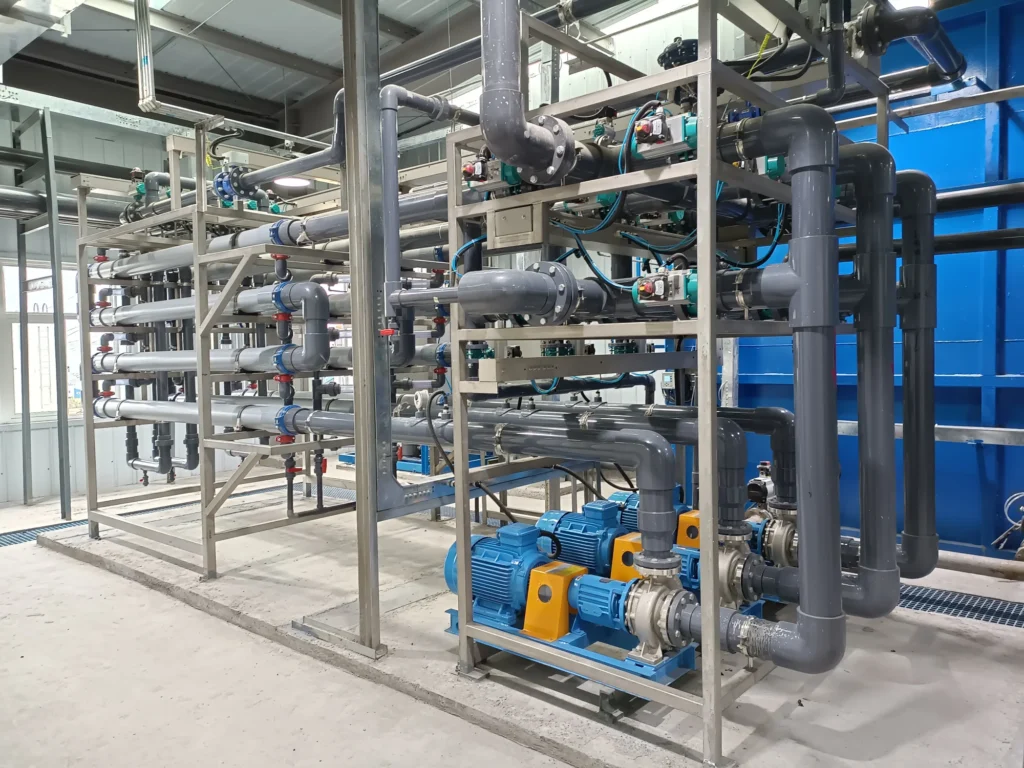
Tubular Membrane Engineering
40 m³/h Coking Wastewater PEK Softening
Control reaction solids and hardness- or silica-related scaling risks before downstream membrane sections.
View project evidence →02 · DOWNLOADS
Document shelf
Brochures
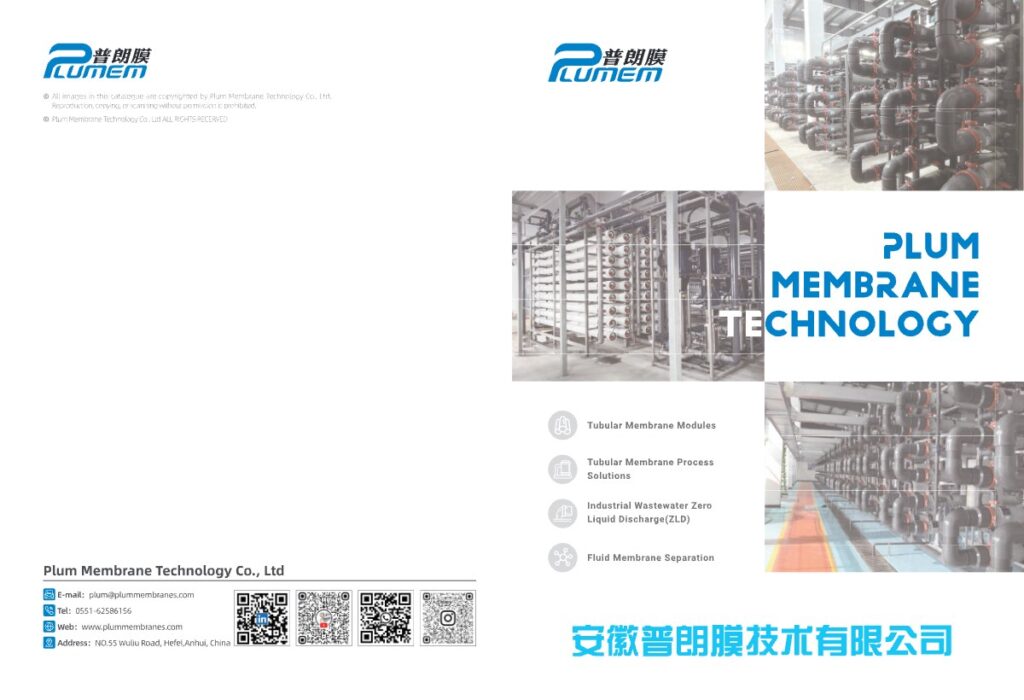
Company Profile
A concise overview of Plum, its business scope, manufacturing and engineering capabilities, core technologies, and selected references.
Brochures
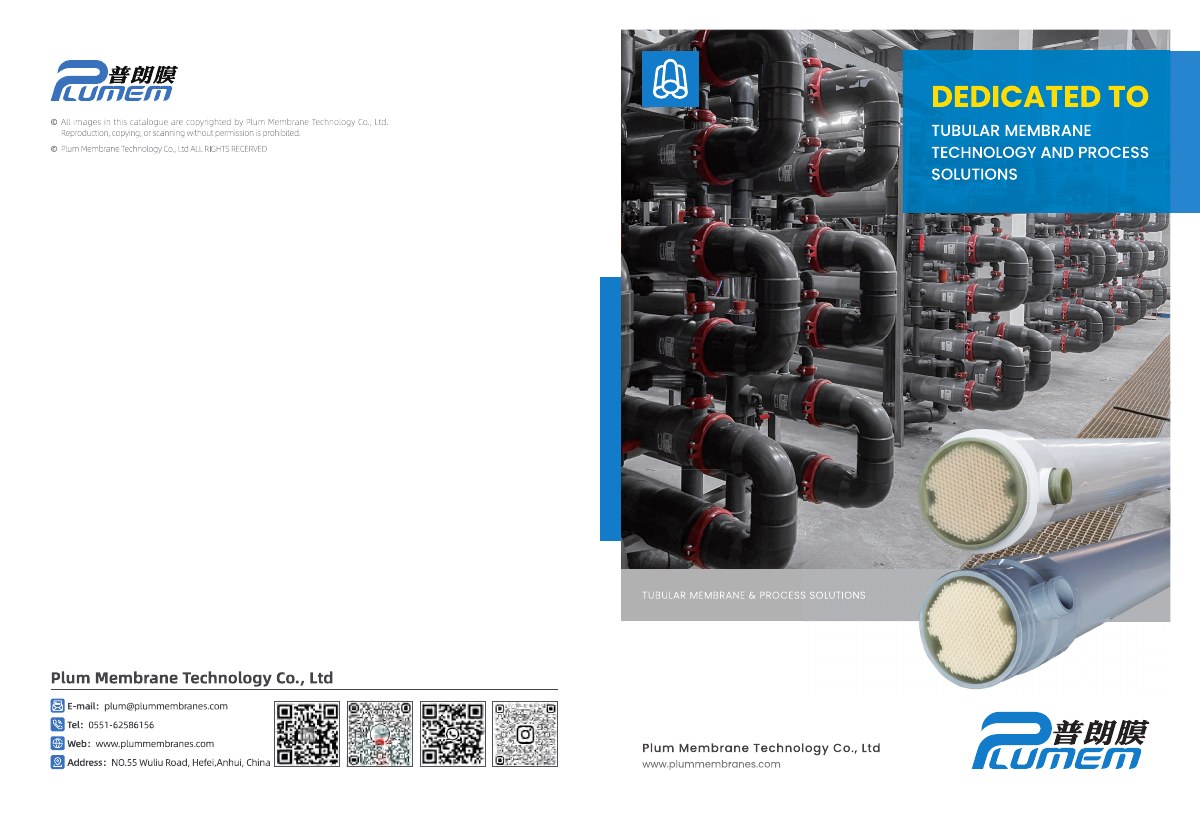
Tubular Membrane Brochure
An overview of Plum tubular membrane materials, modules, process solutions, applications, and engineering references.
Project case studies
Documents will be added here as they become available.
03 · NEWS & INSIGHTS
Company updates and technical perspectives
How PEK Tubular Membranes Treat Oily Wastewater
Understand free, dispersed and emulsified oil, PEK tubular membrane crossflow separation, pretreatment and operating considerations, with a 500 m³/d oilfield produced-water project reference.
→Spray Robot Cleaning Waste All Classified as Hazardous? This Membrane Process Achieves Closed-Loop Reuse
When automotive spray robots run batch production or change colors, they use water-based cleaning agents to flush the spray heads, bell cups and lines. Traditionally, the resulting cleaning waste liquid has been shipped out entirely as hazardous waste, at high cost. Plum Membrane’s PEK® tubular membrane + nanofiltration separation process returns more than 80% of […]
→How Does Tubular Membrane Pretreatment Reduce RO Scaling Risk?
Scaling is one of the most persistent problems in industrial reverse osmosis systems. As water recovery increases, dissolved minerals become concentrated and can precipitate on membrane surfaces. Hardness, silica, and other sparingly soluble compounds may gradually restrict water flow, increase pressure requirements, and make cleaning more difficult. For industrial facilities pursuing higher water recovery or […]
→NEXT STEP