
SELECTIVE NANOFILTRATION
Selective Nanofiltration & Fractionation
Define what should pass, what should be retained, and where both streams should go through membrane screening, component analysis, and material balances, establishing project-specific selective separation in industrial wastewater salt systems and production-fluid target components.
Selectivity is not a fixed salt-separation ratio or purity promise. Membrane, feed, operating conditions, and objectives jointly determine actual passage and retention.
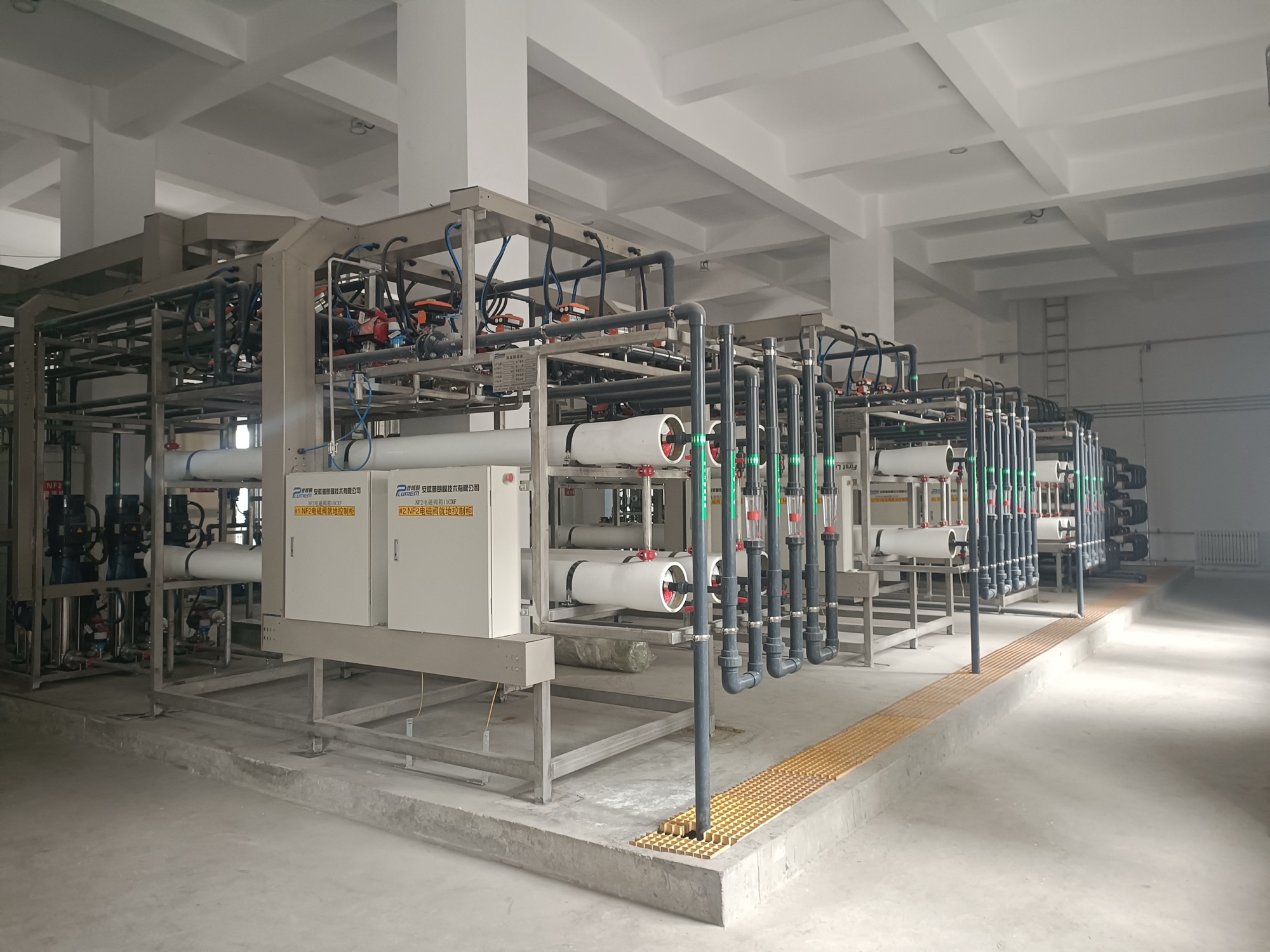
SEPARATION TARGET
Define target components and impurities before discussing an NF membrane
Desalting, salt separation, decolorization, or purification alone is insufficient for membrane selection. Components, analytical methods, target streams, and downstream operations must be converted into a verifiable separation task.
SELECTION MECHANISM
Size, charge, and feed conditions jointly create selectivity
Nominal membrane retention is only a starting point. Actual component destinations also depend on feed chemistry, concentration polarization, component interactions, and operating conditions.
Size effects
Effective size of different molecules or hydrated ions affects their tendency to pass or be retained.
Charge effects
Interactions between the membrane surface and charged species affect ionic selectivity.
Feed & operating conditions
pH, ionic strength, concentration, temperature, and pressure change actual separation behavior.
Engineering conclusion:Validate with the real feed and a defined objective; a generic membrane data table cannot replace project screening.
TWO APPLICATION ROUTES
Industrial wastewater and process fluids use the same principle but different evaluation objectives
Both routes use membrane screening, two-stream definition, and material balances, but they cannot share one set of performance conclusions.
Industrial wastewater: salt system, organics & terminal interfaces
- Complete upstream solids separation and fouling control
- Review monovalent/multivalent ions and organic-component relationships
- Use single- or multistage selective NF only where required
- Define permeate, retentate, and crystallization interfaces separately
Primary assessment:Whether salt separation has engineering value, how both streams are managed, whether impurities accumulate, and where downstream salt or concentrate goes.
Process fluids: target components, impurity profile & product quality
- Define the target component to retain
- Screen relationships among impurities, salts, sugars, acids, or colors
- Use multistage NF fractionation only where justified
- Connect to resin, chromatography, concentration, or crystallization
Primary assessment:Which side contains the product, loss boundaries, recycle risk, product analytical methods, and downstream feed requirements.
TWO-STREAM ENGINEERING
Define both permeate and retentate rather than focusing on one side
Each additional NF stage requires renewed review of composition, flow, recycle, and endpoints so impurities are not merely transferred from one step to another.
Complete composition, objectives, temperature, pH, viscosity, and variation.
May be a product, water, a recovery stream, or feed to the next stage, as determined by validation.
May be a product, impurity stream, recycle stream, or terminal interface, as determined by validation.
Product identity, salt quality, recovery, and salt-separation results cannot be inferred from the labels permeate and retentate.
SAMPLE TESTING & PILOT VALIDATION
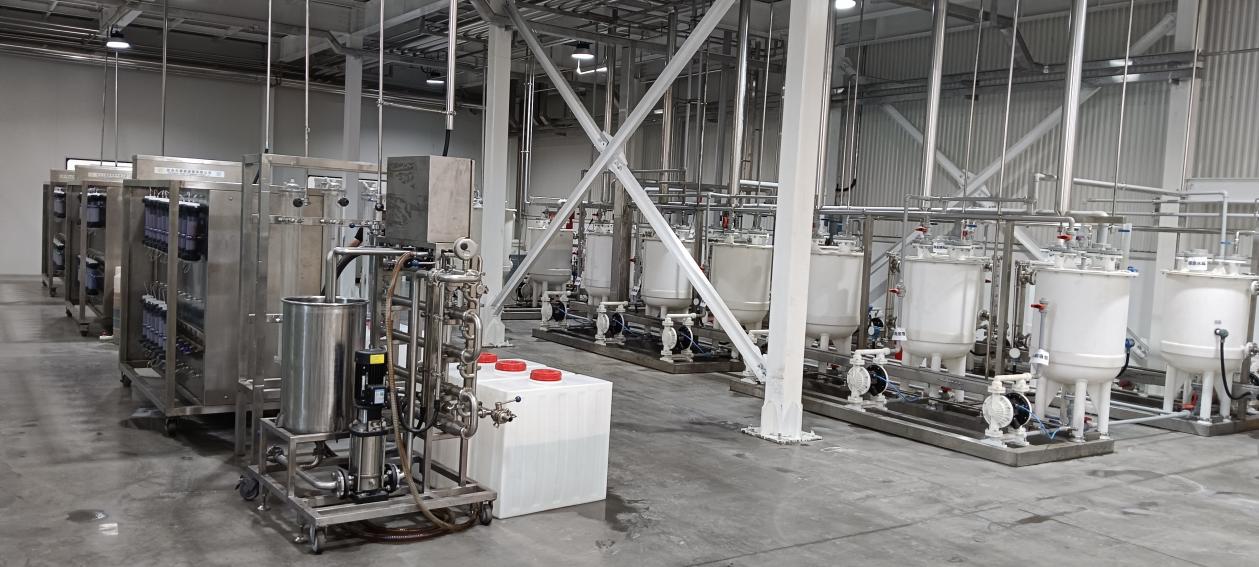
Selectivity must be demonstrated by analytical results and a material balance
- 01Data & analytical-method review
- 02Candidate membrane screening
- 03Single- & multistage material balances
- 04Continuous pilot operation, fouling & cleaning
- 05Scale-up & downstream interface recommendations
Validation outputs include component destinations, stream quality and flow, recycle effects, operating window, fouling and cleaning behavior, and engineering design inputs.
DESIGN INPUTS
Preliminary assessment requires full composition, not only TDS, COD, or a product name
Industrial wastewater requires ionic and organic analysis; process fluids require target components, impurity profiles, product specifications, and analytical methods.
- Feed source
- Process position, batch or continuous mode, and average and peak flow
- Targets & impurities
- Components to retain/remove, concentrations, forms, and analytical methods
- Salts & organics
- Major ions, TDS, conductivity, COD/TOC, colors, and other organics
- Physical properties
- pH, temperature, viscosity, Brix, osmotic pressure, and feed stability
- Current process
- Pretreatment, membrane sections, recycle, cleaning, and operating issues
- Two-stream endpoints
- Product, reuse, next-stage treatment, evaporation and crystallization, or disposal requirements
CROSS-BUSINESS EVIDENCE
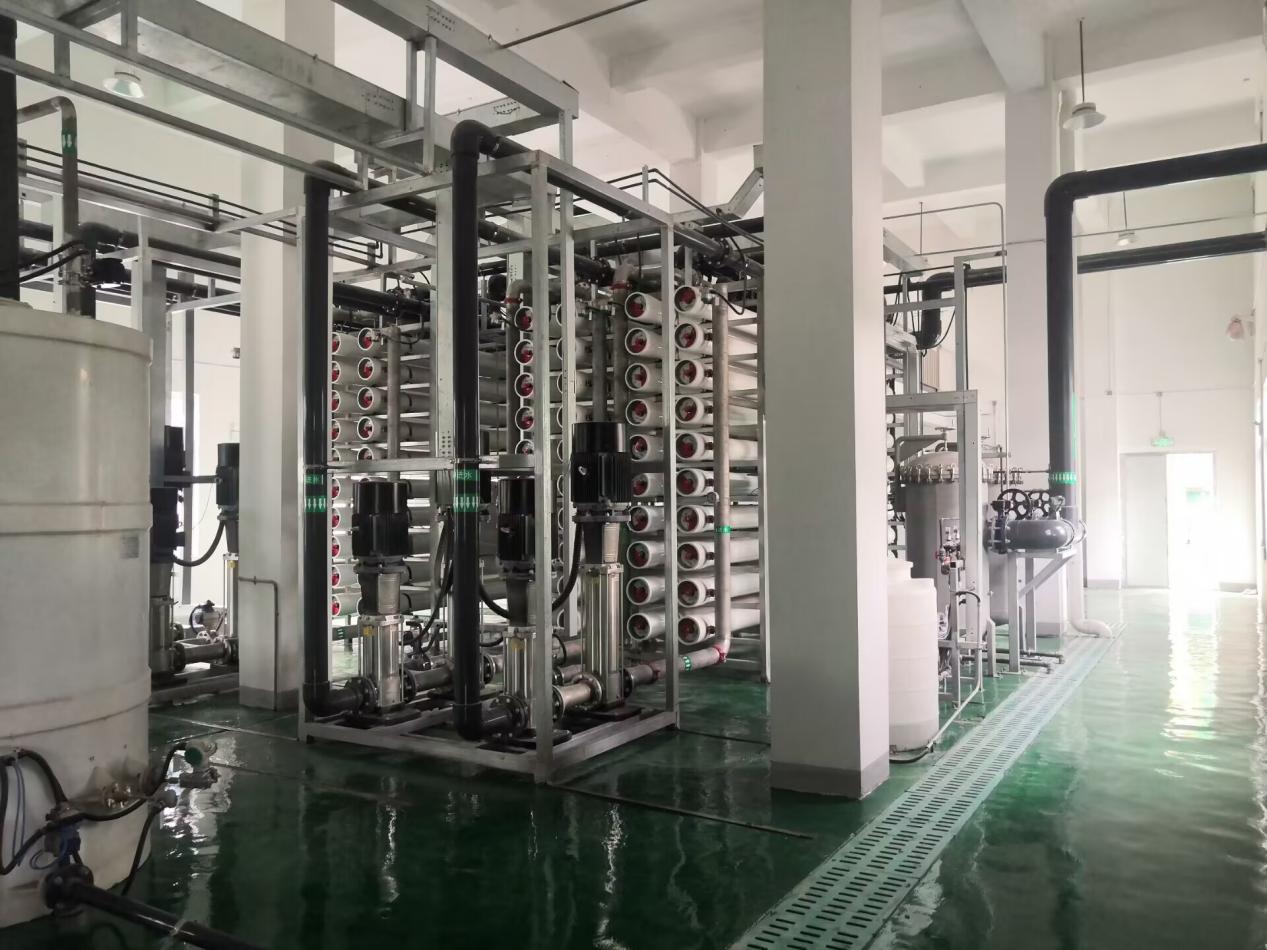
Three project records show different selective NF duties
Capacity and production-line records document implementation experience only and do not guarantee a salt-separation ratio, purity, or recovery for a new project.
Connect softening, selective NF, and the concentration interface according to project objectives.
Two-stage NF fractionation associated with a 50,000 t/a production-line record.
UF, NF, and concentration membrane sections form a continuous membrane route.
ENGINEERING BOUNDARY
Selective NF is a membrane separation section, not a stand-alone product or by-product quality guarantee
Plum can support membrane screening, validation, and membrane-system engineering. Product specifications, salt quality, crystallization, resin or chromatography, and final disposal require confirmation in the complete project scope.
PLUM can support
- Preliminary separation-objective and two-stream route review
- Membrane screening, bench material balances, and continuous pilot validation
- Multistage NF, circulation, CIP, instrumentation, and control design
- System integration, commissioning, and engineering scale-up support
Confirmed per project
- Upstream pretreatment and non-membrane impurity control
- Resin, chromatography, evaporation, crystallization, and product refining
- Recovered-salt or product quality, use, and regulatory responsibility
- Retentate, mother-liquor, and final-disposal boundaries
ENGINEERING FAQ
Selective nanofiltration and fractionation frequently asked questions
Every selectivity conclusion must be tied to a specific feed, membrane, operating condition, and analytical method.
Is selective nanofiltration equivalent to a fixed monovalent/multivalent salt separation?
No. Ionic valence is only one factor. Membrane, concentration, pH, coexisting components, and operating conditions also affect results, which require real-feed validation.
How is the product side identified between permeate and retentate?
First define target components and impurities, then confirm the product side through membrane screening, component analysis, product specifications, and a material balance. It cannot be inferred from the membrane name.
Is multistage NF always better than single-stage NF?
No. Additional stages change recycle, concentration polarization, energy use, and side-stream management. Use them only when the separation task and material balance require them.
Can NF replace RO, resin, or chromatography?
It cannot be assumed. NF may serve as one fractionation or purification section; retaining RO, resin, chromatography, or another operation depends on the complete product objective and process validation.
Why is continuous pilot validation required?
Continuous pilot operation shows component accumulation, membrane fouling, cleaning recovery, recycle effects, and engineering-scale stability, providing evidence for multistage scale-up.
Does project capacity establish a universal salt-separation ratio or product purity?
No. Page capacities apply only to anonymous project records. Salt-separation ratio, purity, recovery, and salt quality require new-project validation and approval.
What information is required for a preliminary assessment?
Provide complete composition and major ions, target components and analytical methods, pH, temperature, viscosity/Brix, flow, the current process, product specifications, both stream endpoints, and sample volume.
SELECTIVE NF VALIDATION
Submit composition, target streams, and downstream requirements
Define the components to retain and remove, expected permeate and retentate endpoints, and available sample volume. Plum will first review candidate membranes and validation scope.
Submitted information is used only for preliminary route assessment and does not constitute a commitment on salt-separation ratio, purity, recovery, salt quality, or product quality.