BOTANICAL EXTRACT SEPARATION
Botanical Extract Membrane Clarification, Purification & Concentration
Start with aqueous or alcoholic extraction, target components, and the impurity profile. Tubular membrane clarification, UF/NF fractionation where required, a concentration membrane section, and continuous pilot validation then establish a scalable botanical-extract separation route.
Real feed and product objectives must define membrane selection, stream destinations, concentration limits, and downstream interfaces. This page makes no claim about extract efficacy, product grade, or regulatory compliance.
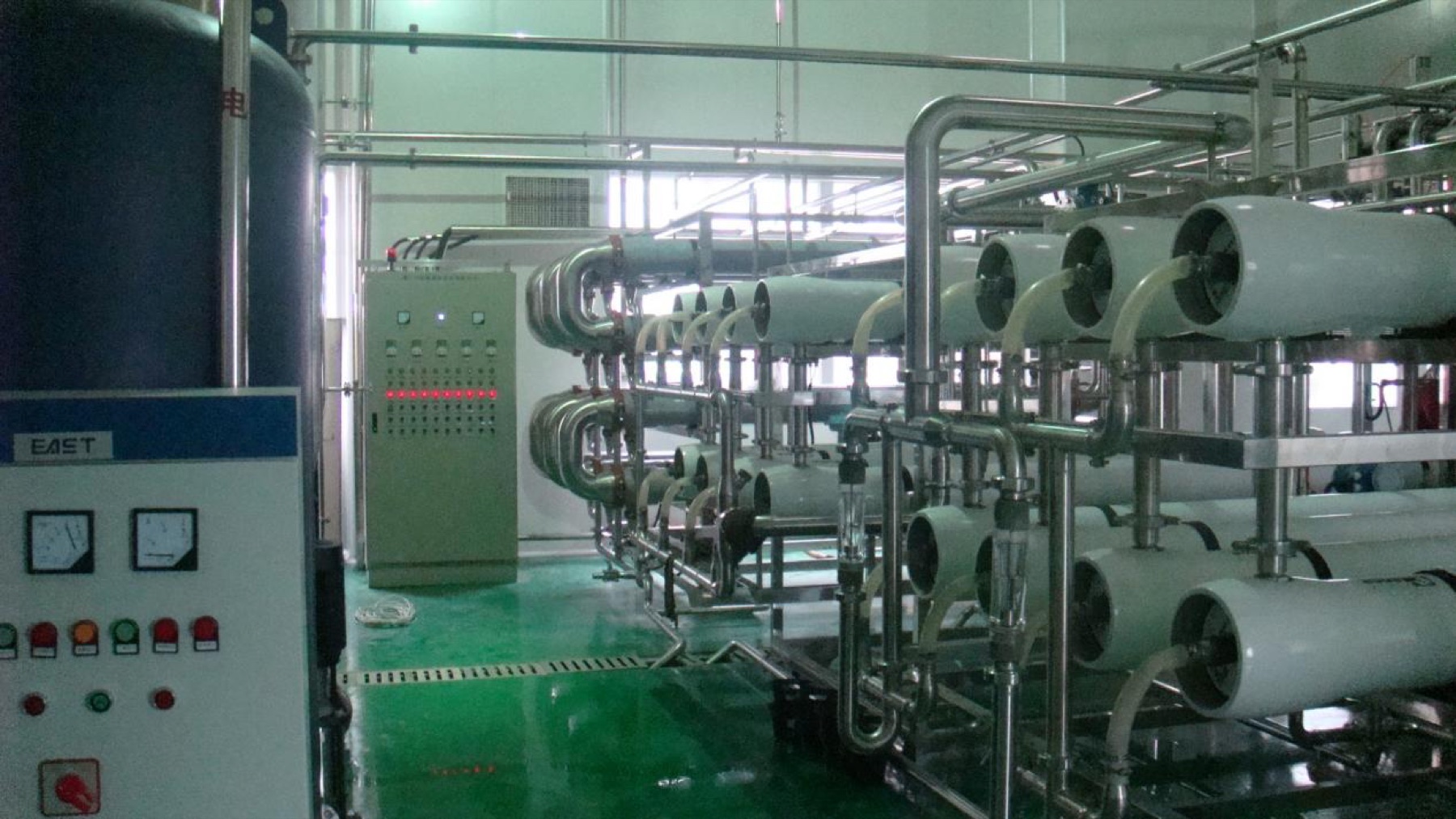
Aqueous, alcoholic, and mixed-solvent systems have different material, safety, and recovery boundaries.
Define the target components to retain and the particles, colloids, proteins, color bodies, and salts to control.
Use samples and continuous pilot validation to establish stream balance, operating window, cleaning, and downstream design inputs.
DEFINE THE EXTRACT
Distinguish the extraction medium before defining target components and product destinations
Even with the same botanical source, differences in extraction medium, target components, batch conditions, and downstream product may require different membrane materials, separation grades, and operating methods.
Focus on colloids, proteins, polysaccharides & color bodies
Confirm raw material, extraction temperature, solids, viscosity, and target-component stability before defining clarification, fractionation, desalting, or concentration duties.
An aqueous extract does not imply one membrane typeConfirm solvent and engineering-safety boundaries together
In addition to component relationships, confirm alcohol concentration, material compatibility, explosion-protection requirements, closed transfer, utilities, and the solvent-recovery interface.
Confirm safety and solvent responsibilities by projectStart with what to retain and what to remove
The target may be in the clarified stream, retentate, or a downstream fractionated stream. The name “botanical extract” alone cannot define the product outlet.
Define streams before selecting equipmentApplication boundary:Tea, food-and-herb materials, and other natural-product extracts each require independent confirmation. Membranes may perform one or more separation stages but do not automatically cover the complete extraction, refining, and finished-product process.
FEED & PRODUCT SCREENING
Six information groups define the membrane duties for a botanical extract
These are preliminary assessment dimensions, not universal application conditions. Insufficient information cannot support direct selection of membrane material, pore size, MWCO range, concentration factor, or product stream.
Raw material & extraction method
Botanical part, batch, extraction medium, temperature, time, solid-to-liquid ratio, and upstream separation method.
Target components
Target name, molecular weight or distribution, analytical method, heat sensitivity, and allowable-loss boundary.
Impurity profile
Particles, colloids, proteins, polysaccharides, color bodies, tannins, salts, and other coexisting components.
Solvent & physical properties
Alcohol concentration, pH, temperature, viscosity, Brix or solids, osmotic-pressure behavior, and feed stability.
Product & downstream process
Requirements for transferring the target stream to resin, alcohol precipitation, evaporation, crystallization, drying, or another refining operation.
Cleaning & safety
Permitted cleaning agents, contact materials, solvent recovery, explosion protection, utilities, and cross-contamination boundaries.
TARGET COMPONENT & IMPURITY MAP
Membrane selection depends on the relative behavior of target components and impurities
The same membrane may produce different retention and passage behavior in different botanical extracts. Analytical methods, sample testing, and mass balance must jointly confirm the final route.
Target natural components & product value
First determine whether the target is in the clarified stream, retentate, or a downstream fractionated stream, then define allowable loss and product destination.
Do not assume the target must be retainedTesting with the actual feed determines membrane material, separation cut-off, and module configuration.
Solids, colloids, color bodies, salts & secondary components
Determine which membrane stage controls each impurity and whether resin, alcohol precipitation, or another non-membrane refining unit is required.
Do not automatically define permeate as wasteCRAWLABLE PROCESS ROUTE
Assess aqueous and alcoholic extracts separately before defining the modular membrane route
This is an engineering discussion framework. Not every project requires every membrane stage, and the membrane system does not automatically replace resin, alcohol precipitation, evaporation, crystallization, or drying.
Focus on colloids, proteins, polysaccharides, color bodies, viscosity, and batch variation.
Confirm alcohol concentration, explosion protection, closed transfer, utilities, and solvent-recovery conditions together.
- 01Pretreatment & equalization
Stabilize solids, temperature, flow, and batch conditions.
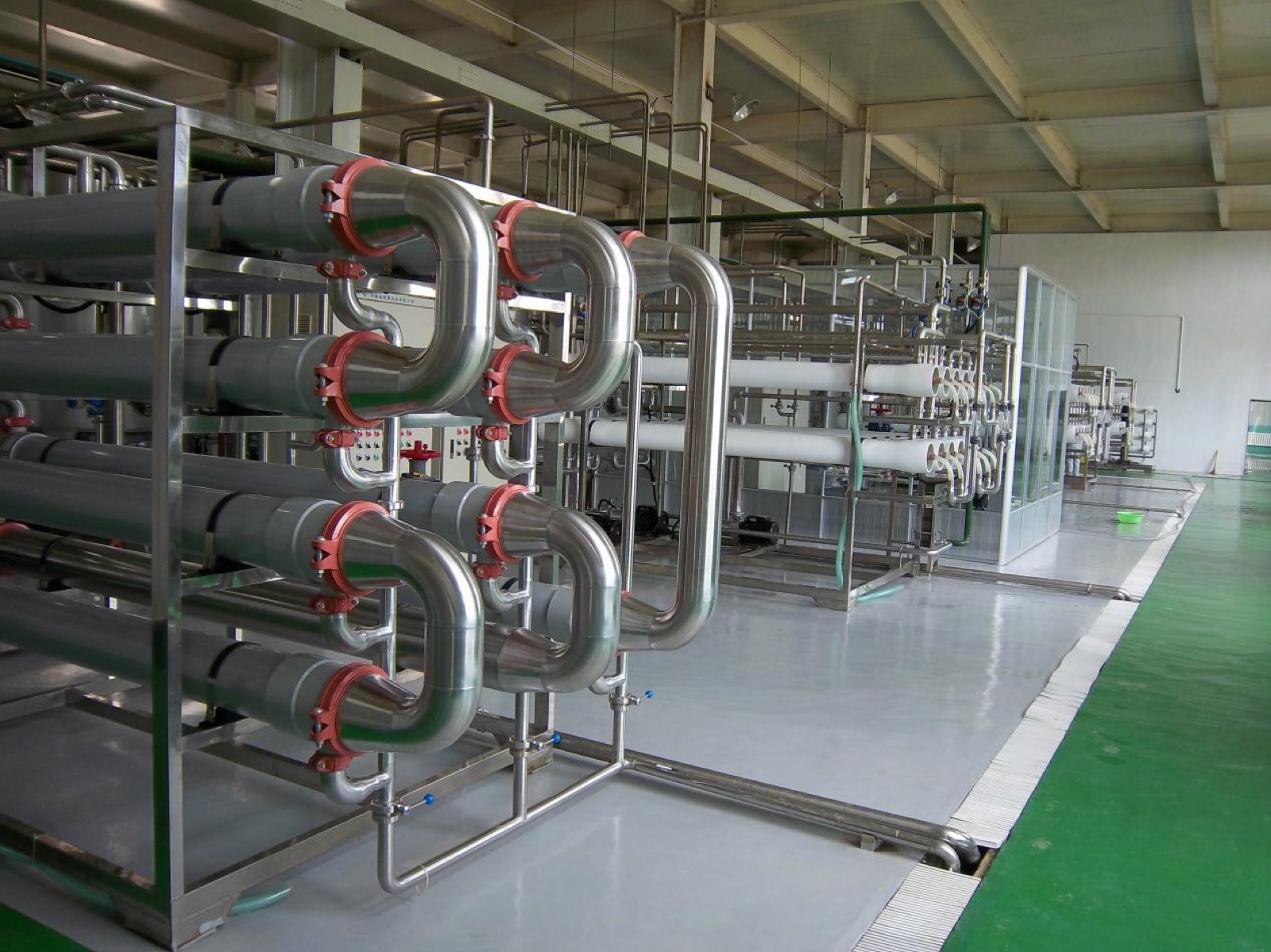
- 02Tubular membrane clarification
Separate suspended particles, colloids, and compatible macromolecular impurities.
- 03UF fractionation as required
Select the separation grade from target-component and impurity distributions.
- 04NF purification as required
Use testing to assess decolorization, desalting, or small-molecule fractionation duties.
- 05Concentration & downstream interfaces
Connect concentration membranes, resin, alcohol precipitation, evaporation, crystallization, or drying.
STREAM RELATIONSHIP
Define every clarified, retentate, and recovery stream separately
This page does not predefine permeate as the product or retentate as waste. Target-component behavior, test results, and the complete product process determine each stream endpoint.
Feed extract
Record raw material, extraction medium, target components, solids, impurities, temperature, and batch conditions.
Clarified stream
Confirm target-component retention, turbidity, and conditions for transfer to UF, NF, resin, or concentration.
Membrane retentate
Assess enrichment of targets or impurities, diafiltration recovery, and final destination.
Permeate & cleaning side streams
Define small-molecule permeate, solvent- or water-recovery streams, CIP, and displacement streams separately.
No universal value is used for target-component content, purification results, concentration factor, yield, or stream quality. Formal values require sample testing, pilot validation, and the technical agreement.
SAMPLE TESTING & PILOT VALIDATION
Use real extract to validate the actual destinations of target components, impurities, and solvent
Sample testing screens membrane materials and separation grades. Continuous pilot validation evaluates batch variation, fouling, cleaning recovery, component accumulation, and downstream interfaces.
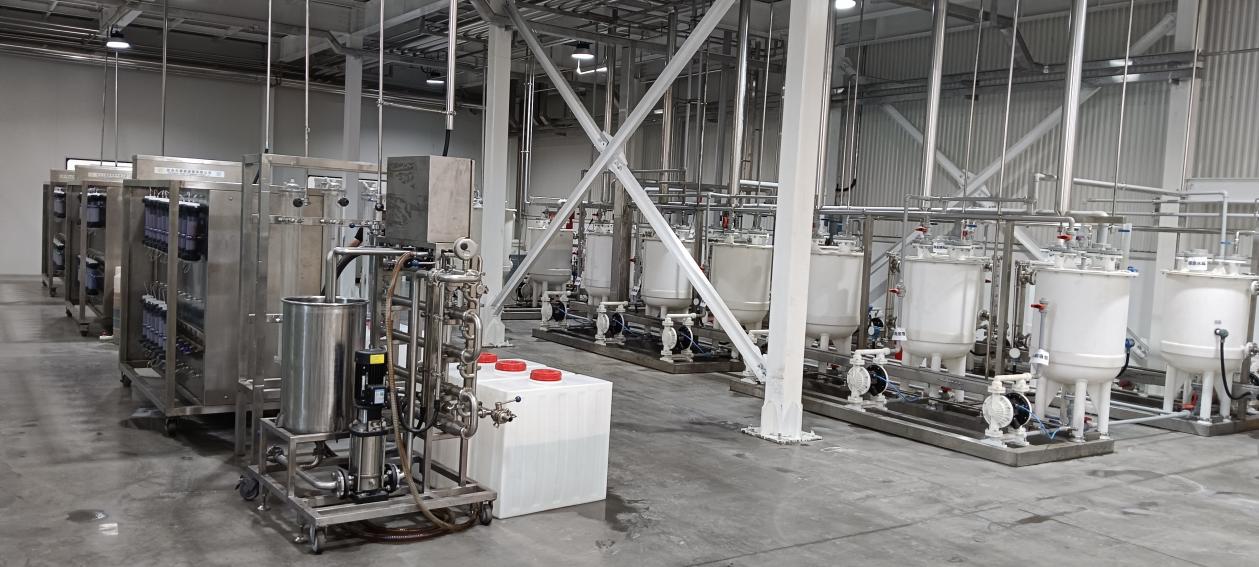
- 01Information review
Confirm raw material, extraction method, target components, current process, and product destination.
- 02Sample analysis
Confirm targets, impurity profile, solvent, physical properties, and available analytical methods.
- 03Membrane screening
Compare retention, passage, and fouling behavior for target components and major impurities.
- 04Bench-scale mass balance
Record the quantity and composition of clarified, retentate, permeate, and diafiltration-recovery streams.
- 05Continuous pilot validation
Validate the operating window, batch variation, cleaning recovery, and effects of solvent conditions.
- 06Engineering scale-up
Develop design inputs for membrane area, CIP, safety, utilities, and downstream interfaces.
Distribution of target components and major impurities under the agreed conditions.
Quantity and composition of feed, clarified stream, retentate, permeate, and displacement streams.
Flux trends, fouling behavior, cleaning compatibility, and material-compatibility records.
Design inputs for downstream purification, concentration, solvent recovery, and safety systems.
DESIGN INPUTS
A traceable raw-material, component, and process data set is required before preliminary assessment
Provide data for normal and variable batches, startup, shutdown, and cleaning where possible. Project records, test data, and guarantee values for a new project must remain separate.
- Raw material & extraction method
- Botanical raw material, plant part, batch, aqueous or alcoholic extraction, solvent concentration, extraction temperature, and time
- Capacity & operating mode
- Hourly flow, batch volume, operating cycle, peak and low variation, buffering, and storage conditions
- Target components
- Name, molecular weight or distribution, current concentration, analytical method, stability, and allowable-loss boundary
- Impurities & physical properties
- Solids, proteins, polysaccharides, color bodies, salts, pH, temperature, viscosity, and turbidity
- Existing process
- Screening, centrifugation, filter press, alcohol precipitation, resin, heat exchange, evaporation, and existing membrane systems
- Product & stream endpoints
- Target-product location, clarified-stream and retentate destinations, and permeate recovery or disposal requirements
- Safety & utilities
- Explosion-protection classification, closed-system requirements, solvent recovery, cooling, steam, nitrogen, and site interfaces
- Validation & cleaning
- Available sample volume, storage and transport, SDS, CIP requirements, test period, and pilot conditions
This page publishes no universal yield, purity, decolorization, concentration factor, energy use, cost, product grade, or regulatory conclusion. Formal values require sample testing, pilot validation, and the technical agreement.
PROJECT EVIDENCE
Confirmed botanical-extract membrane separation records
The capacities below document implementation experience with botanical-extract clarification, fractionation, and concentration membrane sections only. They do not define membrane selection, product results, or system guarantees for a new project.
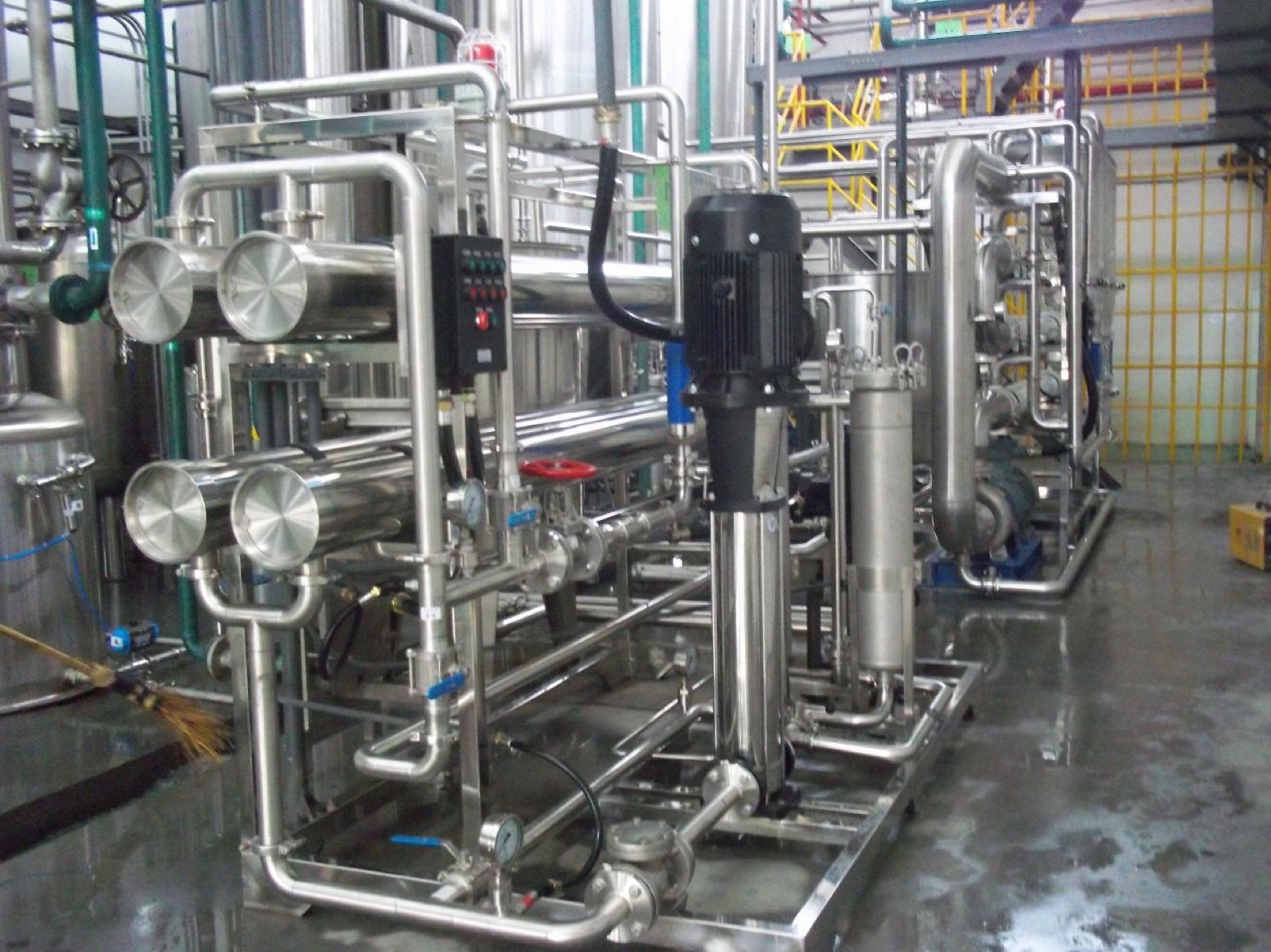
Anonymous industrial projects · botanical and natural-product extracts
Use three public capacity records to support testing and route scale-up
Public information covers capacity, feed type, and related membrane sections only. Client, year, product results, yield, purity, energy use, cost, and regulatory conclusions are not published on this page.
ENGINEERING & SAFETY BOUNDARY
Confirm the membrane section within the complete extraction, refining, and safety system
Plum provides analysis, validation, design, integrated systems, and commissioning support around the membrane section. Raw-material processing, solvent safety, product specifications, and non-membrane refining units require project-by-project confirmation.
PLUM can support
- Preliminary review of extract data, target components, and impurity profiles
- Screening of membrane materials, membrane types, separation grades, and combined routes
- Sample testing, continuous pilot validation, and stream mass balance
- Integrated membrane sections, circulation, CIP, instrumentation, and control systems
- Membrane-system commissioning, training, and upstream/downstream engineering-interface support
Confirm separately by project
- Botanical raw materials, extraction recipes, chemicals, and upstream extraction equipment
- Explosion protection, fire protection, recovery, and safety responsibility for alcohols and other solvents
- Resin, alcohol precipitation, evaporation, crystallization, drying, and the complete production line
- Product formulation, efficacy, quality standards, food contact, and regulatory responsibility
- Buildings, utilities, waste liquids, and final disposal endpoints
RELATED ROUTES
Continue reviewing related membrane routes and validation capabilities
Business overviewProcess Fluid Membrane Separation
Related clarification routeFermentation broth & hydrolysate tubular membrane clarification
Food-process routeFruit juice tubular membrane clarification
ENGINEERING FAQ
Botanical extract membrane separation FAQ
Can aqueous and alcoholic extracts use the same membrane route?
Do not assume so. Solvent, material compatibility, safety, utilities, target components, and impurity profiles may differ substantially and require separate analysis and testing.
Is the target component always retained in the membrane retentate?
Not necessarily. The target may be in the clarified stream, retentate, or a downstream fractionated stream. Molecular-weight information, analytical methods, and real-feed testing must confirm its location.
What is the duty of tubular membranes in a botanical-extract route?
Tubular membranes commonly separate particles, suspended solids, colloids, and compatible macromolecular impurities from high-solids extracts to provide more stable feed for UF, NF, resin, or concentration. They do not directly perform every dissolved-component separation duty.
Does every project require UF, NF, and concentration membranes?
No. Target components, impurity profile, solvent, physical properties, product endpoint, and test results define the number and order of membrane stages.
Can membranes eliminate alcohol precipitation, resin, or evaporation?
Not as a universal conclusion. Membranes may perform part of the clarification, fractionation, or pre-concentration duty, but the complete product route must determine whether non-membrane units remain and how they connect.
Why do alcoholic-extract projects require additional safety information?
Alcohol concentration affects material selection, closed transfer, explosion protection, fire protection, utilities, and solvent-recovery boundaries. These items require joint confirmation with the owner or EPC.
Can the 50, 12, and 10 m³/h records serve as guarantees for a new project?
No. These figures are anonymous historical project-capacity records only. Membrane selection, stream quality, operating window, and system capability for a new project require new validation and confirmation in the technical agreement.
What information is required for preliminary assessment?
Provide raw material and extraction method, solvent concentration, flow or batch volume, target components and analytical methods, solids, proteins, polysaccharides, color bodies, salts, pH, temperature, viscosity, current process, product endpoint, CIP, safety requirements, SDS, and available sample volume.
REQUEST BOTANICAL EXTRACT VALIDATION
Submit botanical-extract dataRequest sample testing & pilot validation
Provide as much detail as possible on botanical raw material, extraction medium, target components, impurities and physical properties, current process, product endpoint, safety boundaries, and available sample volume. Plum will review the information before confirming membrane screening, test scope, and whether pilot validation is required.
Submitted information is used only for preliminary project assessment. It does not constitute a commitment on test scheduling, product results, yield, purity, engineering performance, safety responsibility, regulatory compliance, or scope of supply.