WASTE SALT & FLY ASH WASH WATER
Industrial Waste Salt & Fly Ash Wash Water Resource Recovery Routes
Treat industrial waste salt solution and fly ash wash water as two distinct feeds. Assess conditioning and softening, PEK tubular membrane solids separation, salt fractionation or concentration where required, and the final destinations of mother liquor, salts, sludge, and solids separately.
First confirm solid origin, sample representativeness, dissolution behavior, organic impurities, heavy metals, and the target salt system.
First confirm the washing regime, suspended solids, hardness, metals, ionic composition, and the responsibility boundary for washed solids.
FEED BOUNDARY FIRST
Similar labels do not mean the feeds can share one process route
Industrial waste salt assessment begins with solid sampling, dissolution, and impurity release. Fly ash wash water assessment begins with the washing regime, liquid-phase constituents, and the washed-solid interface. Establish a separate mass balance for each feed.
Industrial waste salt: prove sample representativeness first
Batch, origin, and storage conditions can change dissolution behavior and impurity release. Total salt quantity or one historical analysis is generally insufficient to define salt-fractionation and crystallization routes.
- Origin and form
- Generating process, batch, moisture content, particle size, and mixed-salt or single-salt characteristics
- Dissolution and impurities
- Dissolved fraction, insolubles, organics, metals, hardness, silica, and related risks
- Salt system and objective
- Major cations and anions, target use, downstream product requirements, and final disposition
Fly ash wash water: assess liquid and solid destinations together
Analyze suspended solids, hardness, metals, and ionic composition in the wash water. Treatment of fly ash solids, dioxin control, resource use, and final disposition require separate confirmation by the responsible process and party.
- Washing regime
- Fly ash origin, liquid-to-solid ratio, washing stages, recycle relationships, flow, and variability
- Liquid-phase risks
- SS, pH, hardness, metals, chlorides, potassium salts, and other critical ions
- Liquid and solid endpoints
- Washed solids, sludge, membrane concentrate, crystallizer feed, and final-disposition interfaces
- 01Feed originSolid or wash water, generating process, batch, and variability
- 02Representative analysisWater, salts, organics, metals, and insolubles
- 03Separation dutySolids separation, impurity control, salt fractionation, or minimization
- 04Product or disposition requirementReuse, crystallization interface, target salt, or solid-waste endpoint
- 05Validation and engineering boundaryTest data, supply scope, and responsibility interfaces
TWO-LANE ENGINEERING ROUTE
Build two separate routes before assessing shared equipment or downstream interfaces
The following is preliminary engineering logic, not a fixed process package. Actual samples and project objectives determine pretreatment, chemicals, membrane types, nanofiltration, recycle, and thermal endpoints.
Industrial waste salt solution route
Begin with representative sampling and dissolution behavior, then assess impurity control, membrane separation, and downstream endpoints.
- 01Sampling and composition analysisMultiple batches and representativeness confirmation
- 02Pretreatment and dissolution as requiredOrganics, insolubles, and dissolution conditions
- 03Conditioning and softeningDefined against downstream scaling and impurity requirements
- 04PEK tubular membraneSolids separation for reaction solids and suspended solids
- 05Selective NF as requiredSelectivity and target require test confirmation
- 06Concentration / crystallization interfaceConnect to downstream equipment and product requirements
- 07Mother-liquor managementClose impurity accumulation, recycle, or disposition
Fly ash wash water route
Use liquid-phase constituents and the washed-solid destination as boundaries for softening, solids separation, and saline-water endpoints.
- 01Wash-water equalizationWashing regime, flow, and variability
- 02Softening and metal precipitationDefined by liquid analysis and endpoint requirements
- 03PEK tubular membraneSeparation of precipitates, colloids, and suspended solids
- 04Sludge treatment and recycle assessmentClose solids, filtrate, and wash-water boundaries
- 05NF / concentration as requiredSelect only after ionic-composition assessment
- 06Evaporation, crystallization, or disposition interfaceConnect to the downstream endpoint defined for the project
- 07Washed-solid interfaceConfirm treatment and final responsibility separately
Shared-equipment principleConsider shared equipment or combined liquid streams only when composition, mass balance, contamination risks, and downstream endpoints allow it. Reassess impurity accumulation before combining streams.
TECHNOLOGY RESPONSIBILITIES
Each process section addresses only a verifiable duty
A resource-recovery route can easily imply that one listed device delivers every treatment objective. This page separates the duties of reaction, solids separation, salt fractionation, concentration, and solid disposition.
Conditioning and softening reactions
Change the form of selected metals, hardness, or other target constituents to establish conditions for solids separation and downstream membrane sections.
Confirm removal targets and chemicals against the samplePEK tubular membrane
Separate reaction solids, suspended solids, colloids, and other retainable constituents while protecting downstream membrane sections.
View tubular membrane pretreatment technology → 03Selective nanofiltration
Assess salt fractionation or impurity control only when ionic composition, membrane selectivity, target salts, and the downstream route are compatible.
View selective nanofiltration technology →Concentration and crystallization interface
Connect membrane concentration, evaporation, crystallization, or another endpoint according to concentrate composition, crystallization requirements, and the supply boundary.
Confirm terminal equipment and product responsibility separatelyThe PEK tubular membrane does not directly remove TDS, chloride, potassium, or other dissolved salts. Its core duty in these routes is post-reaction solids separation. Compatible downstream sections perform dissolved-salt separation, concentration, and crystallization.
RESOURCE ENDPOINTS
Define salt, mother-liquor, sludge, and solid endpoints first
“Recovery” describes a material destination; it does not automatically create a saleable product or complete final disposition. Every endpoint requires a quality standard, use, receiving party, and responsibility boundary.
Internal process reuse
Before reuse for salt dissolution, fly ash washing, or another process, confirm water quality, impurity accumulation, and production impact.
Feed to concentration or crystallization
Define the feed composition, variability, concentration, and difficult impurities accepted by the downstream section.
Salt product or resource use
Use is possible only after the material meets project-defined use, quality, and compliance conditions.
Mother-liquor, sludge, and solids disposition
Impurities that cannot be closed and off-specification materials still require a defined, compliant final-disposition route.
- Preliminary review of feed information, samples, and membrane-process routes
- Design of conditioning, PEK tubular membrane, optional NF, and membrane-concentration sections
- Packaged membrane systems, circulation, CIP, instrumentation, and controls
- Testing, pilot validation, scale-up, commissioning, and interface support
- Legal origin, classification, and cross-regional transfer responsibility for solid waste
- Fly ash solids treatment, dioxin control, and final use or disposition
- Evaporation, crystallization, drying, packaging, and salt-product quality responsibility
- Mother liquor, sludge, mixed salts, residue, and final plant-wide environmental responsibility
SAMPLE & PILOT VALIDATION
Validate complex high-salinity feeds before scale-up
When batch variation is substantial, impurity release is unclear, salt fractionation is required, or mother-liquor recycle is proposed, a standard water-analysis sheet alone cannot reliably define the engineering route.
- 01Representative sampling and data reviewOrigin, batch, storage, and safety information
- 02Dissolution and conditioning testsImpurity release, precipitation behavior, and chemical window
- 03Membrane and operating validationSolids separation, fouling behavior, and cleaning recovery
- 04NF / mother-liquor validation as requiredSelectivity, impurity accumulation, and recycle boundary
- 05Pilot validation and scale-upContinuous stability, mass balance, and design inputs
Mass balance, impurity destinations, operating window, fouling and cleaning boundaries, downstream feed conditions, and engineering design inputs.
PROJECT EVIDENCE
Two public project records for two distinct feed types
Customer names and operating results are not published on this page. Capacities document relevant engineering experience only and do not become design values or performance guarantees for a new project.
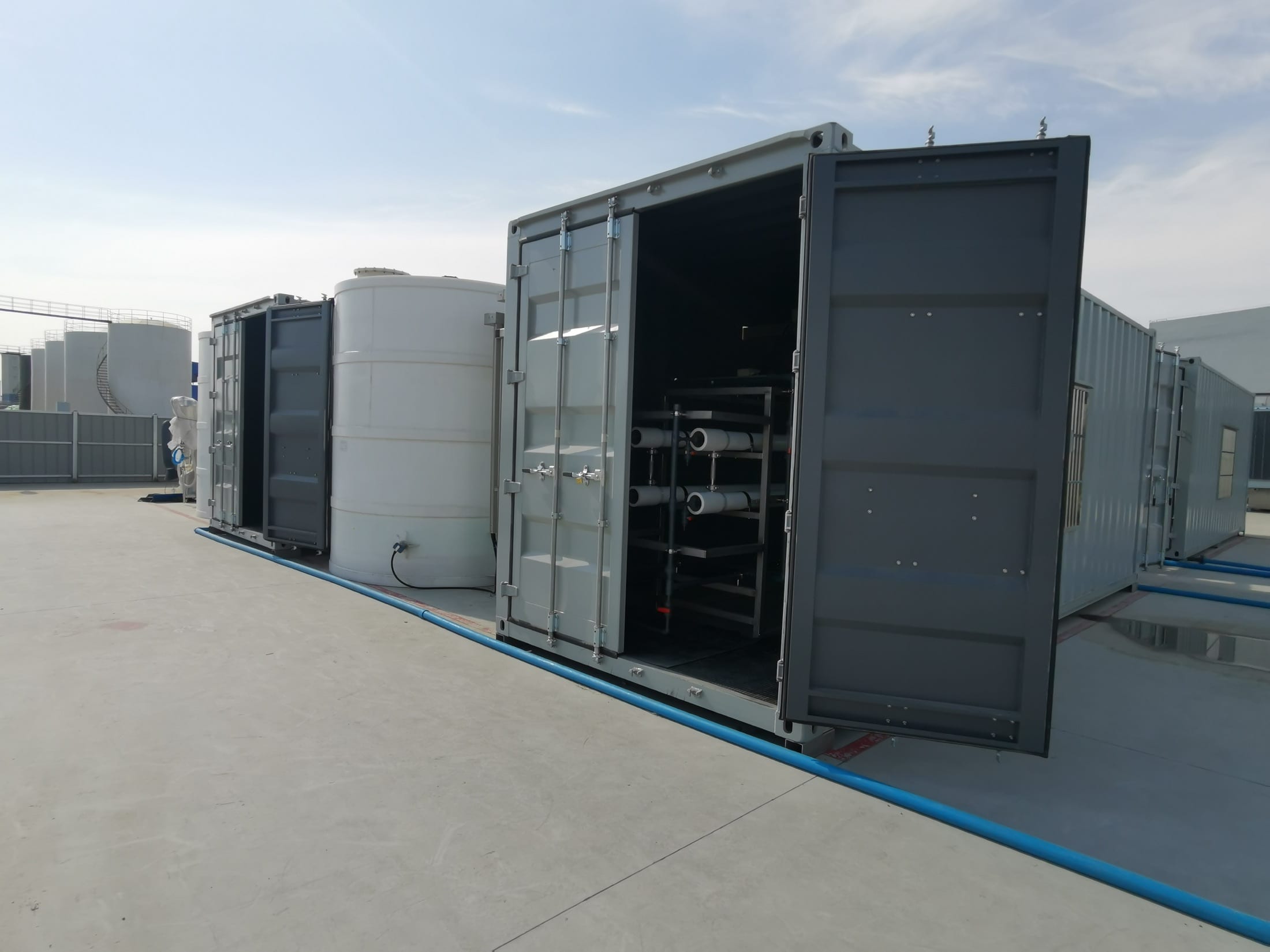
Industrial waste salt solution treatment pilot
The public record includes feed pretreatment, solids separation, selective NF where required, and an evaporation and crystallization interface. This page does not publish hardness, silica, salt-fractionation ratios, salt quality, or recovery.
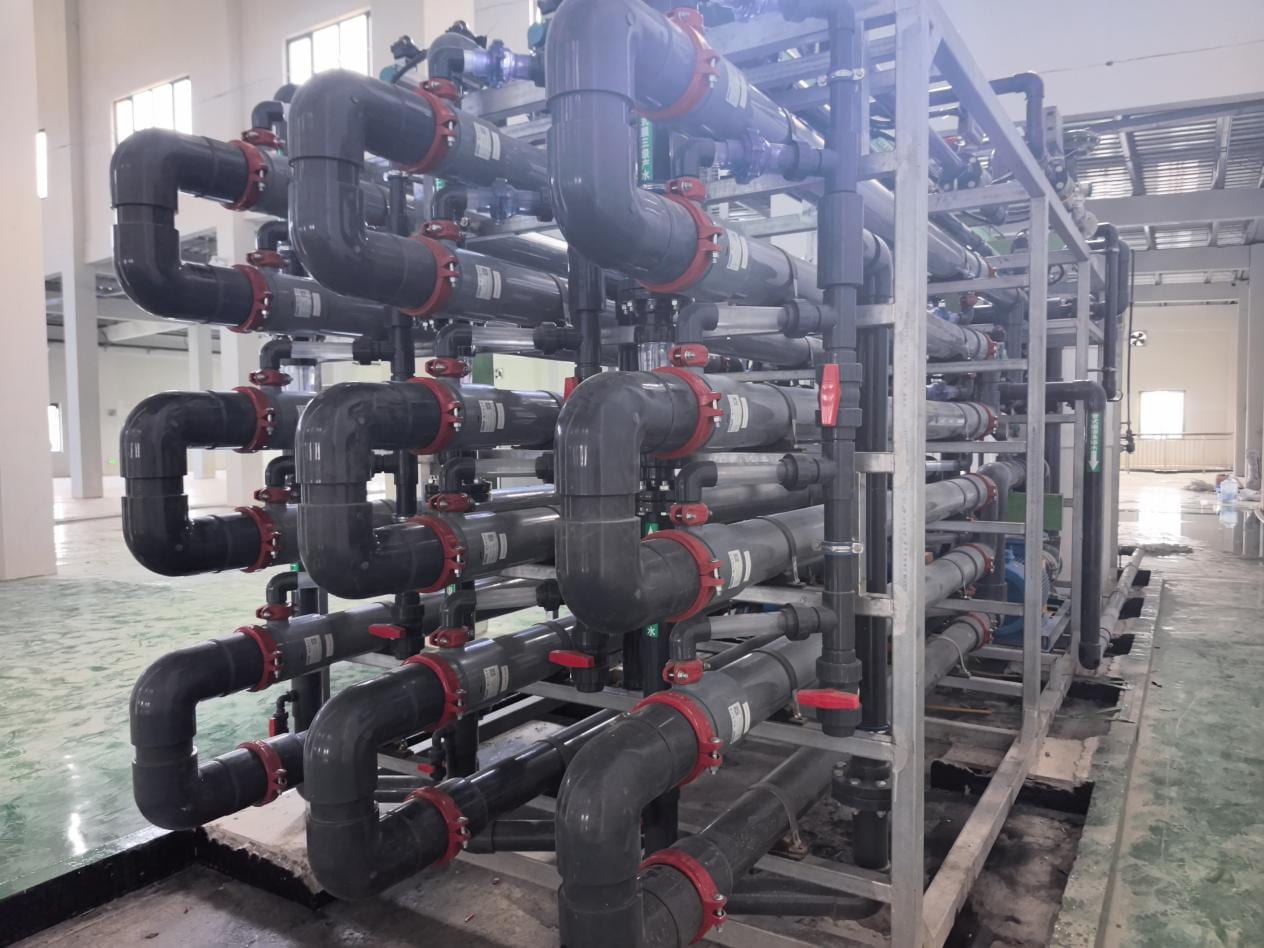
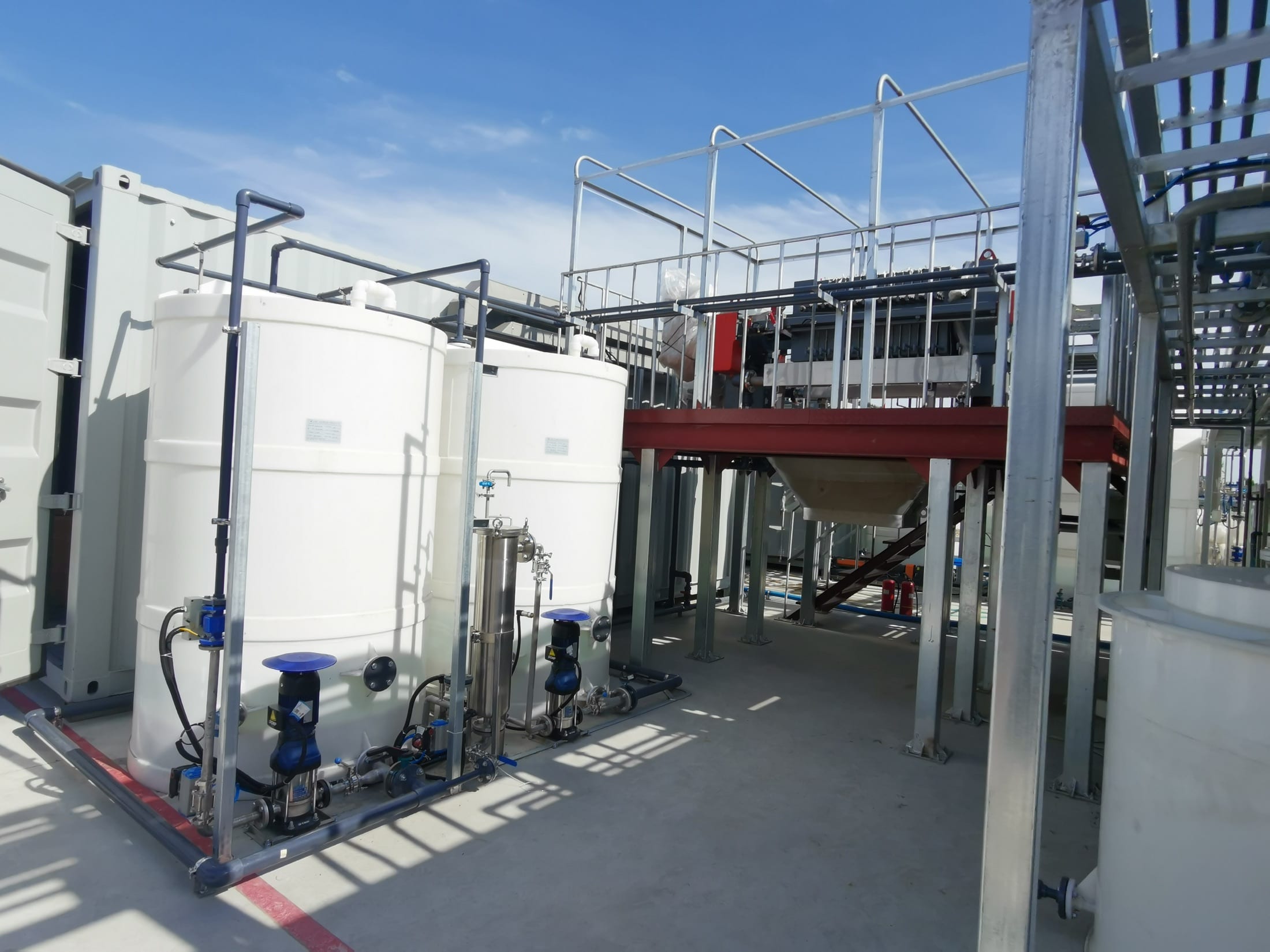
Fly ash wash water treatment project
The public record includes multi-stage conditioning, PEK tubular membrane solids separation, and downstream concentration and crystallization interfaces. This page does not attribute fly ash solids treatment, salt quality, or final-use outcomes to the membrane system.
These records document Plum experience in testing, piloting, and membrane-process sections for the relevant feeds only. Every new project requires independent confirmation against representative samples, target endpoints, and the technical agreement.
PROJECT RESOURCES
Prepare samples and project information
Route entryIndustrial wastewater reuse, minimization & ZLD
Front-end processPEK softening & solids separation
Salt fractionation as requiredSelective nanofiltration technology
ENGINEERING FAQ
Waste salt and fly ash route FAQ
Can industrial waste salt solution and fly ash wash water be combined directly?
Do not combine them by default. The two feeds differ in origin, phase, impurity release, ionic composition, and solid endpoints. Assess shared equipment or combined liquid streams only when analysis, mass balance, and downstream endpoints support the decision.
Does the PEK tubular membrane remove dissolved salts?
No. The PEK tubular membrane mainly separates reaction solids, suspended solids, colloids, and other retainable constituents. Dissolved-salt separation, concentration, or crystallization requires compatible downstream sections.
Does every project require selective NF and evaporation or crystallization?
No. NF, membrane concentration, and evaporation or crystallization depend on ionic composition, target use, membrane selectivity, downstream interfaces, economics, and final-disposition requirements.
Can recovered salt be sold directly as an industrial product?
The process route alone cannot establish that outcome. Target salts must meet project-defined quality, use, receiving-party, and compliance requirements. Off-specification material still requires a defined reuse, retreatment, or final-disposition route.
Is the fly ash wash water membrane system responsible for dioxin removal?
This page makes no such claim. The membrane section mainly handles reaction solids, suspended solids, and downstream saline water. The relevant process and responsible party confirm dioxin control, treatment, and final disposition of fly ash solids.
Why is sample testing generally recommended for these projects?
Waste-salt batch variation, impurity release, precipitation behavior, membrane fouling, NF selectivity, and mother-liquor accumulation can materially change the route. Testing provides a traceable engineering basis; it is not a new-project guarantee.
What information is required for preliminary assessment?
Provide material origin, batches, treatment capacity, moisture content or wash-water volume, temperature, pH, SS, insolubles, organics, heavy metals, a complete ion analysis, the existing process, target use, and final destinations for salts, mother liquor, sludge, and solids.
Does Plum provide a complete turnkey hazardous-waste resource-recovery system by default?
No. Plum can focus on membrane-process routes, validation, and packaged membrane systems. Confirm solid-waste classification, fly ash treatment, evaporation and crystallization, salt products, civil works and utilities, and final-disposition responsibility item by item.
SUBMIT SAMPLE & PROJECT DUTY
Submit waste salt or fly ash wash water information for a preliminary route assessment
Identify the feed as industrial waste salt, fly ash wash water, or another saline by-product, then provide its origin, capacity, composition, existing process, and target endpoint. Plum will first assess information completeness, sample requirements, and the membrane-process sections that can be evaluated.
Submitted information is used only for preliminary project assessment. It does not constitute a commitment on removal, recovery, salt-fractionation performance, salt quality, resource-recovery compliance, supply scope, energy use, or delivery schedule.